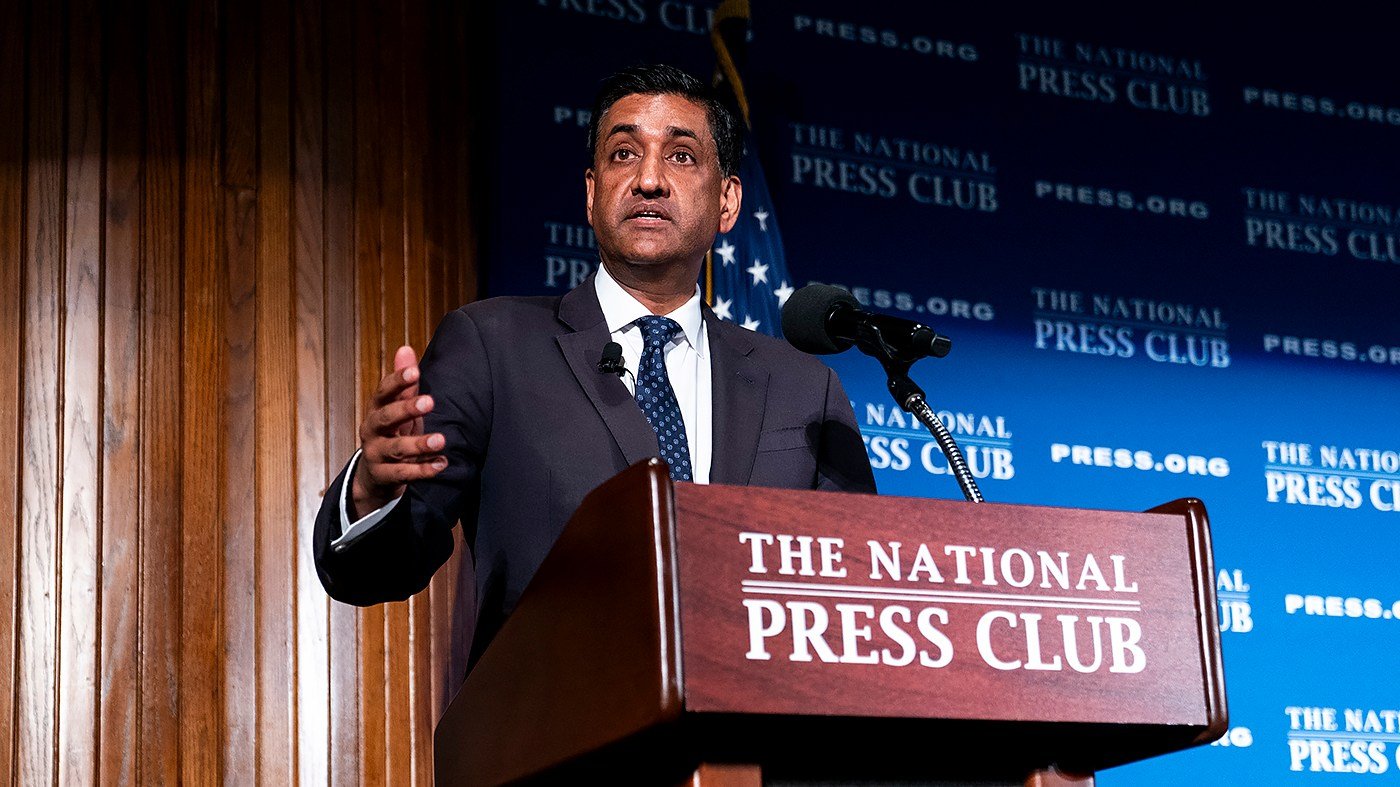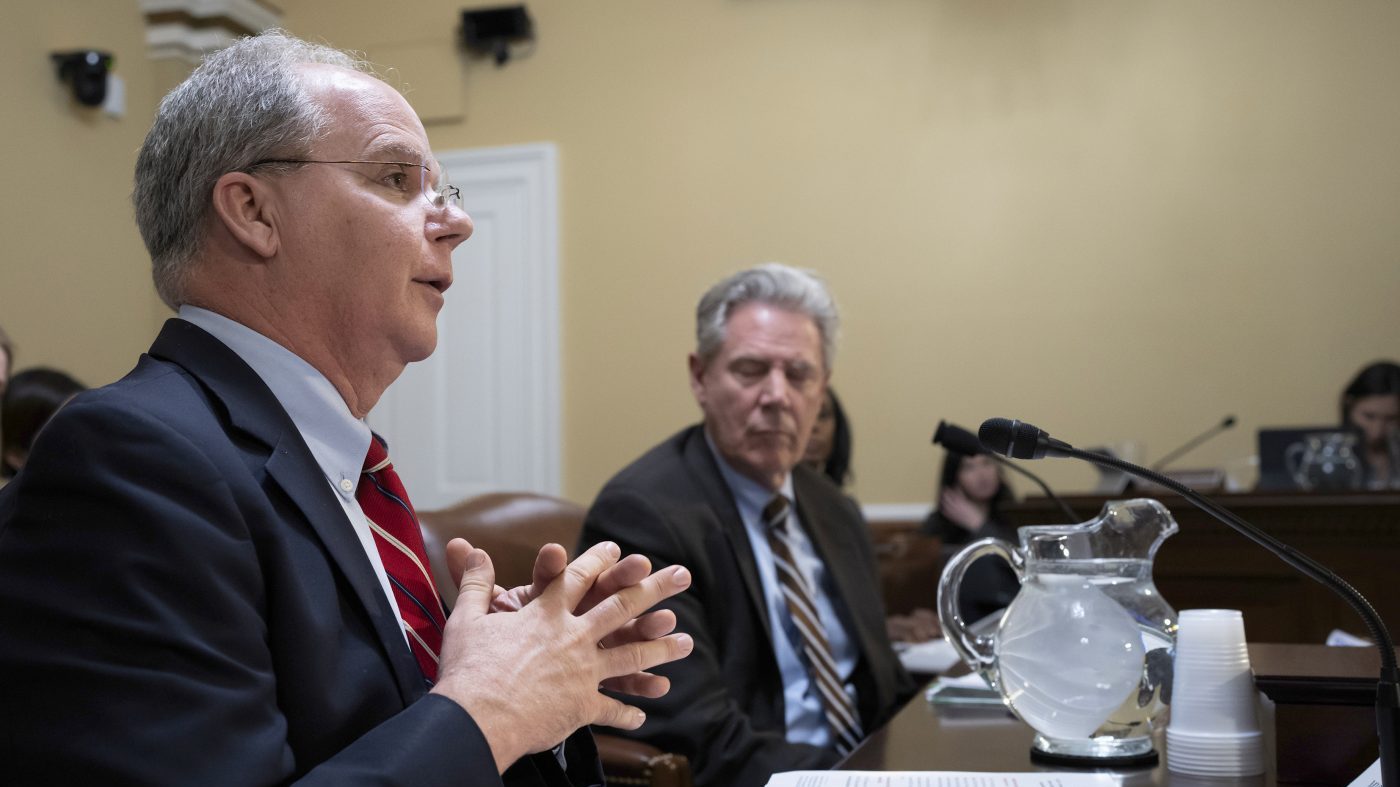
House lawmakers on Monday unveiled a bipartisan agreement on a legislative package designed to bolster online protections for children, marking a breakthrough after months of stalled negotiations on digital and social media regulation. The deal, announced by Energy and Commerce Committee Chair Brett Guthrie (R-Ky.) and Rep. Frank Pallone (D-N.J.), revives an effort that had fractured along party lines earlier this year.
In a joint statement, Guthrie and Pallone said they had “worked across the aisle for many months” and found “common ground on policies to significantly improve the digital environment for kids.” The KIDS (Kids Internet and Digital Safety) Act, they argued, delivers the kind of 21st-century safeguards that parents have demanded.

What the KIDS Act Includes
The legislation incorporates elements from the landmark Kids Online Safety Act, known as KOSA, which seeks to hold social media platforms accountable for harms they allegedly cause to minors. Key provisions include empowering parents with more control over their children’s online experiences, making safety settings the default for young users, strengthening privacy protections for children and teenagers, increasing transparency around data brokers, and imposing stricter accountability on Big Tech companies.
“Through empowering parents, establishing safety as a default, strengthening privacy for children and teens, increasing transparency around data brokers, and holding Big Tech accountable, the KIDS Act delivers the 21st century protections parents have demanded and our kids deserve,” the lawmakers wrote.
Political Context and Previous Stalemate
The announcement comes months after bipartisan talks on digital regulation collapsed, leaving the earlier version of the KIDS package stalled. That earlier iteration advanced out of the Energy and Commerce Committee in March by a narrow 28-24 vote, reflecting deep partisan divisions over how far to go in regulating social media giants.
Punchbowl first reported the new deal Monday morning. The revived effort suggests a renewed willingness to tackle the issue, though the path to final passage remains uncertain in a divided Congress.
This bipartisan push mirrors global trends: the UK is moving to ban under-16s from social media as part of a broader international crackdown on child safety online. Meanwhile, the 2026 AI Safety Report warns that control slips as capabilities surge, underscoring the urgency of digital regulation.
Next Steps and Implications
The KIDS Act now faces the challenge of navigating both chambers of Congress, where similar bills have stalled amid lobbying by tech companies and disagreements over free speech and enforcement mechanisms. Supporters argue that the bipartisan nature of the current deal gives it a stronger chance, but critics remain skeptical about whether the legislation can overcome procedural hurdles.
For now, the deal represents a significant step toward addressing growing concerns about the impact of social media on children’s mental health and privacy, issues that have resonated with parents across party lines. As lawmakers prepare to debate the package, the balance between protecting kids and preserving innovation remains a central tension.