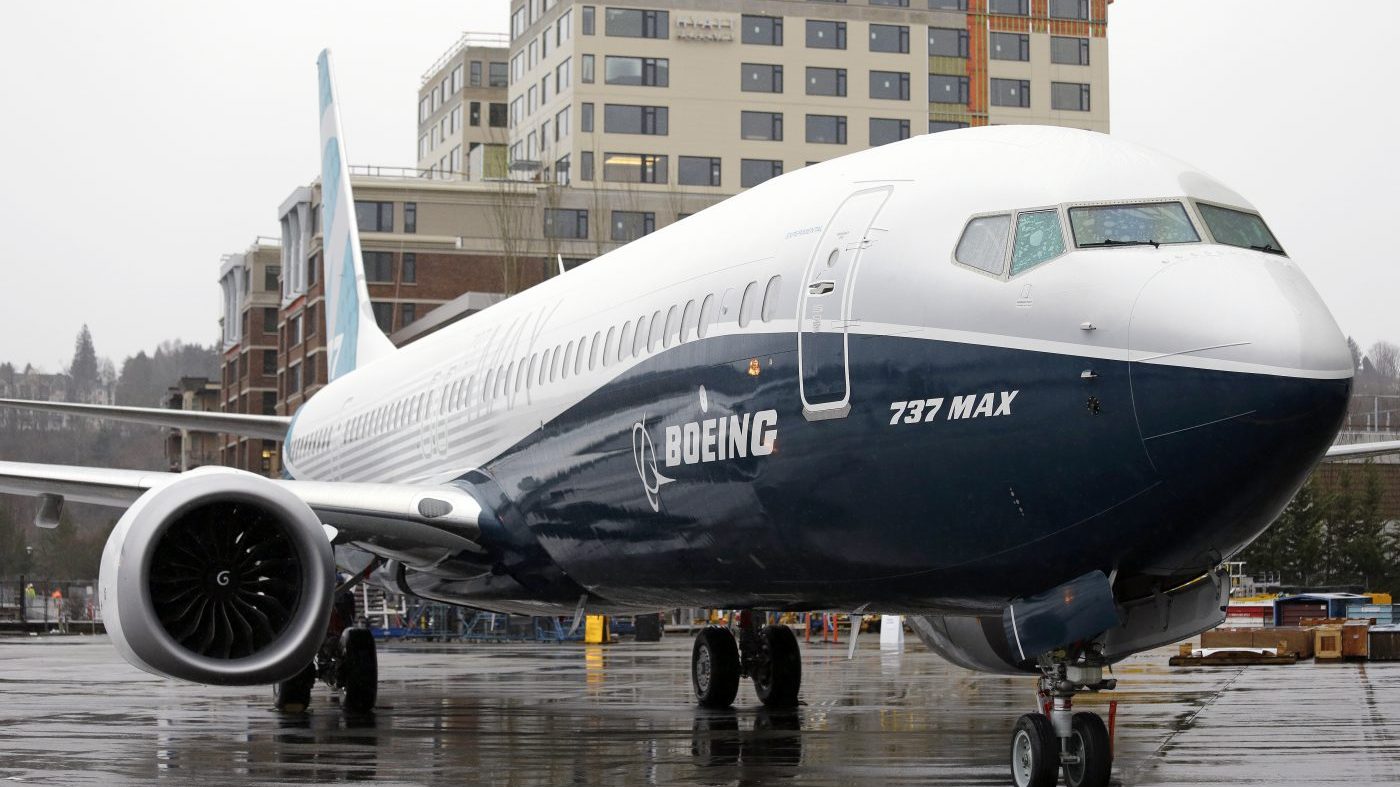
The Federal Aviation Administration issued a new airworthiness directive on Thursday requiring structural inspections of hundreds of Boeing 737 Max aircraft, following reports of cracks near the galley door cutouts on some planes.
The directive covers three 737 Max variants—the Max 8, Max 8-200, and Max 9—affecting roughly 470 jets, according to CNN. The FAA said the cracks were found in the bear strap and the fuselage skin, the aircraft's outer cylindrical shell running from cockpit to tail.

While the agency stopped short of grounding the fleet, it warned that undetected cracks could compromise the plane's ability to sustain limit loads, potentially leading to structural failure. "The FAA determined that the [directive's] required actions and compliance times provide an acceptable level of safety," the order states.
The directive takes effect September 10 and mandates inspections of the affected areas. The FAA first proposed the rule in November 2025, with Boeing backing it without changes. Following the proposal, the Foundation for Aviation Safety raised concerns about the root cause of the defect, prompting the FAA to clarify in Thursday's directive that Boeing "is introducing changes to the manufacturing process that address" the underlying structural issue.
This latest action adds to the regulatory scrutiny Boeing has faced over the 737 Max. In late July, the FAA proposed another directive requiring inspections of seat assemblies on the same aircraft models after reports of faulty installations that could dislodge seats during emergency landings.
The heightened oversight follows a January 2024 incident in which a door plug blew off an Alaska Airlines 737 Max at 14,830 feet. In response, the FAA capped Boeing's production of the jet, a limit that was modestly raised in October 2025.
Additionally, the National Transportation Safety Board recommended in 2025 that Boeing modify the engines on 737 Max planes after two bird strike incidents—one in Havana, Cuba, and another in New Orleans. Boeing has expressed support for that recommendation.
Boeing did not immediately respond to a request for comment on the FAA's directive. Meanwhile, the company continues to face financial and operational pressures, including costly delays on its Air Force One program.
The FAA's move underscores ongoing concerns about the 737 Max's structural integrity, even as the aircraft remains a workhorse for airlines worldwide. The directive is set to take effect in September, giving carriers time to schedule the required inspections.