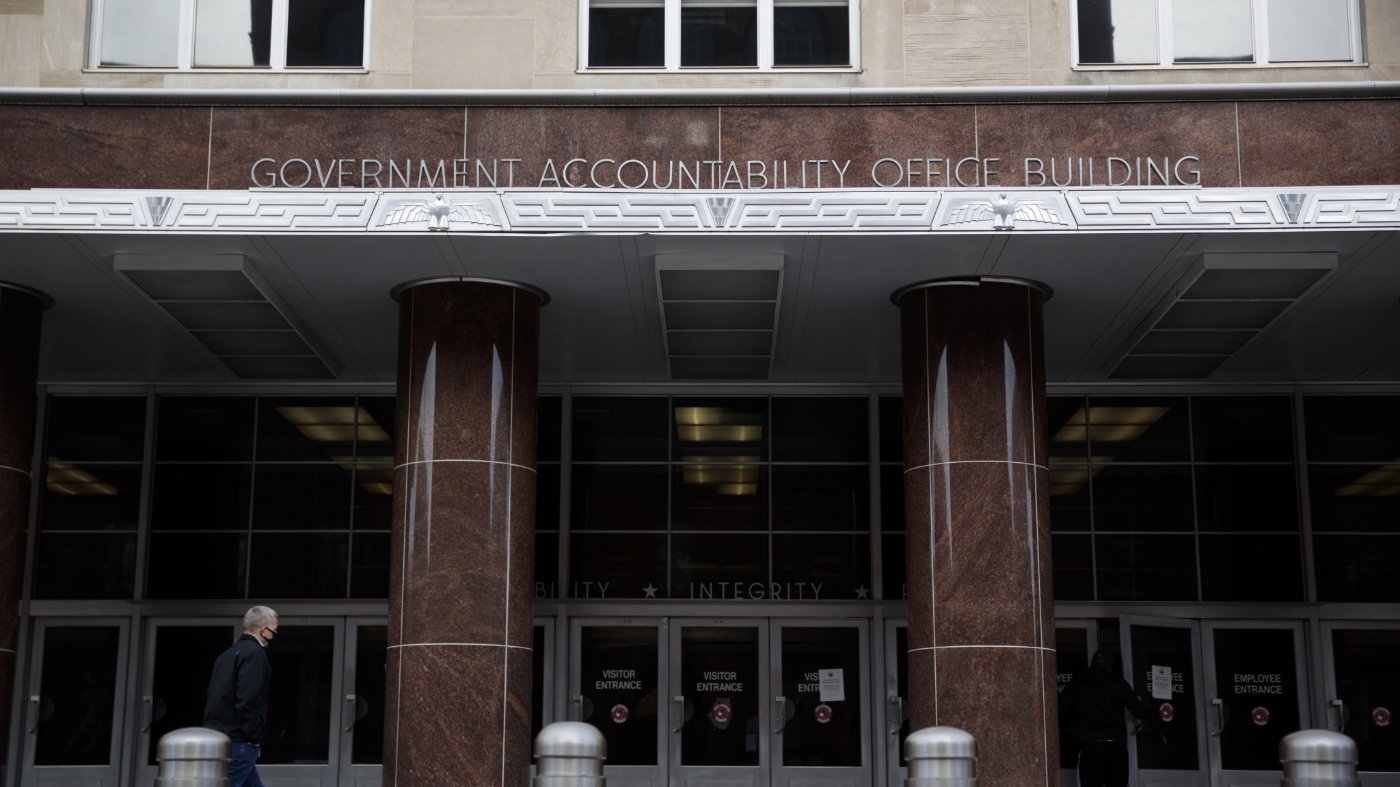
The Government Accountability Office (GAO) has cast doubt on the accuracy of savings touted by the Department of Government Efficiency (DOGE) in its public "Wall of Receipts" dashboard. In a report released Thursday, the watchdog found that the roughly $110 billion in claimed savings from canceled contracts, grants, and leases contains "several issues" that "limit the transparency and reliability of these reported savings."
The Wall of Receipts was launched in February 2025, just a month after DOGE was established. According to the GAO, the site has not been updated to clarify the methodology behind the savings calculations, leaving taxpayers in the dark about how those figures were derived.
DOGE, which spearheaded efforts to dismantle federal agencies and slash spending, officially shut down on July 4. In a post on X announcing its closure, the agency said that while its formal mission had ended, "the mission to eliminate waste, fraud, and abuse will continue." The website still claims to have saved $1,335.40 per individual taxpayer, with the page last updated in early 2026.
The GAO's review identified a significant flaw: many of the contracts listed on the Wall of Receipts were already slated for termination before DOGE even came into existence. Specifically, 108 of the 264 leases that DOGE claims to have terminated were already in progress prior to the agency's establishment in February 2025.
When DOGE began its push to cancel roughly 1,125 government contracts, it found that 37 percent of those terminated agreements were not expected to yield any savings. The Wall of Receipts includes multiple suspended agreements showing $0 in proposed savings, further complicating the narrative of aggressive cost-cutting.
The GAO also criticized DOGE for lacking transparency in its methodology, noting that the basis for some listed savings was unknown. A striking example involved a $1.7 billion claim for the Defense Health Agency related to IT services at facilities worldwide. The GAO found that while the contract was identified for termination, no action was ever taken, and "no savings were achieved."
This revelation raises broader questions about the reliability of government efficiency metrics, especially as lawmakers push for more accountability in federal spending. The GAO's findings could fuel ongoing debates about transparency and oversight in government operations.
DOGE's legacy remains contentious, with supporters praising its aggressive approach to cutting waste, while critics point to the GAO's report as evidence of overstated achievements. The agency's shutdown has not ended scrutiny of its claims, and this latest report adds to the growing calls for accountability in federal programs.
As the government moves forward, the GAO's findings underscore the need for verifiable data in any future efficiency initiatives. Without clear methodologies and accurate reporting, such efforts risk undermining public trust in government operations.