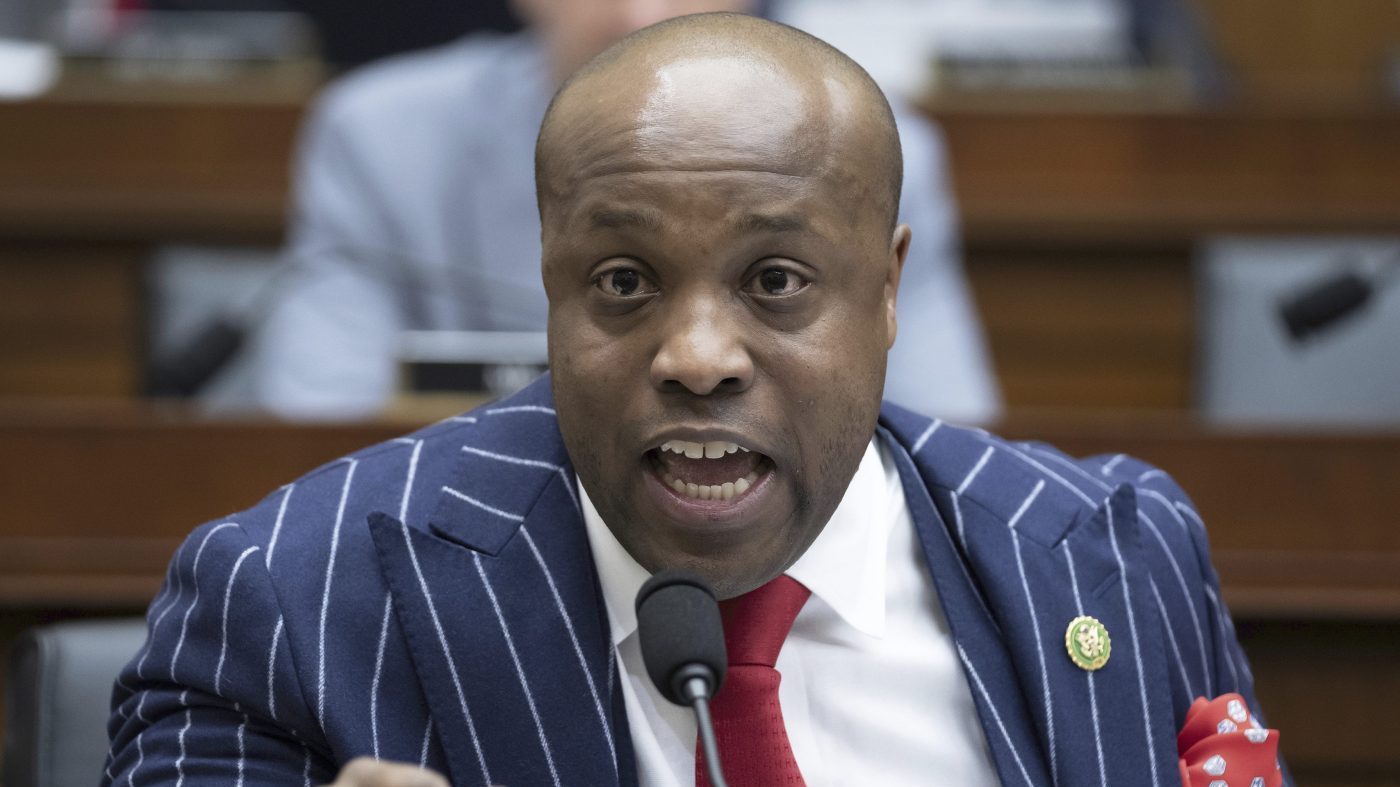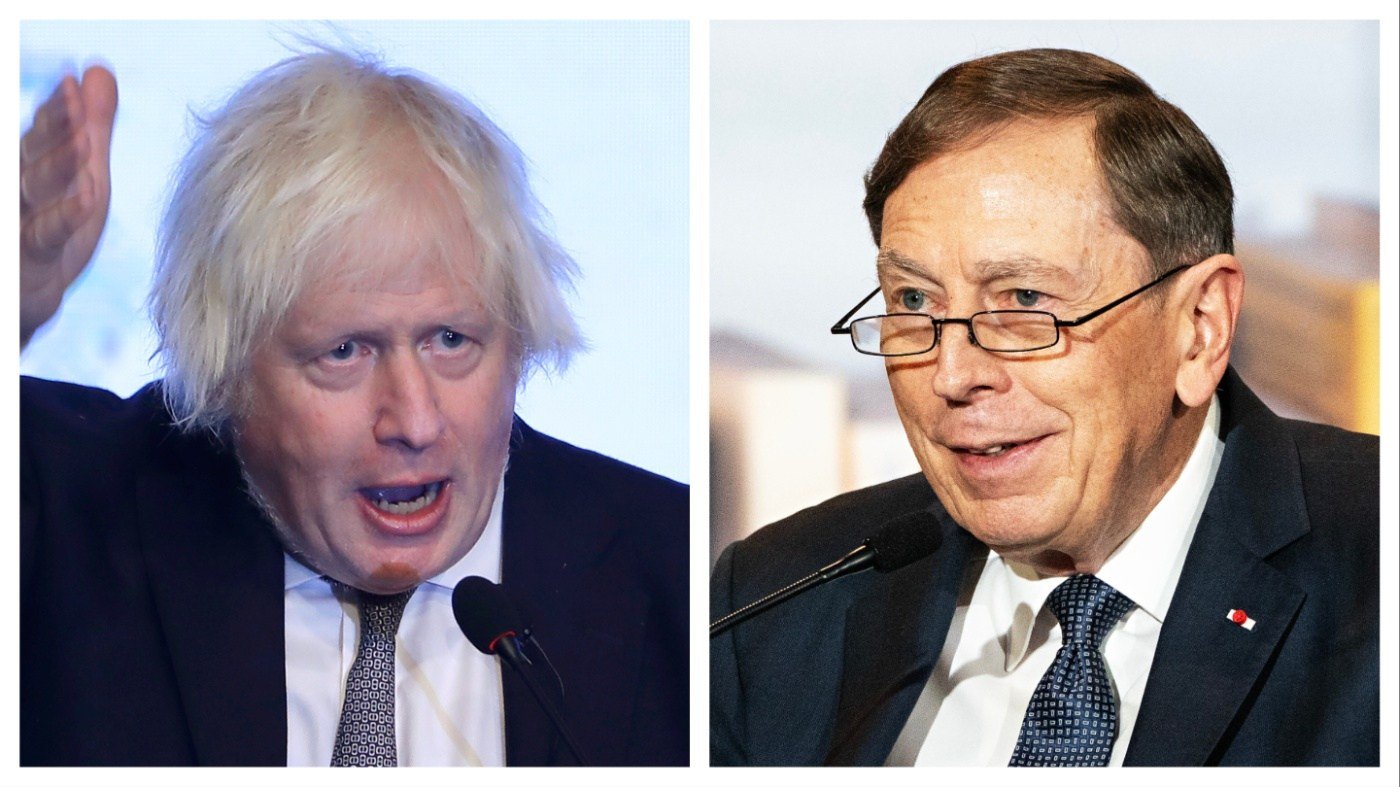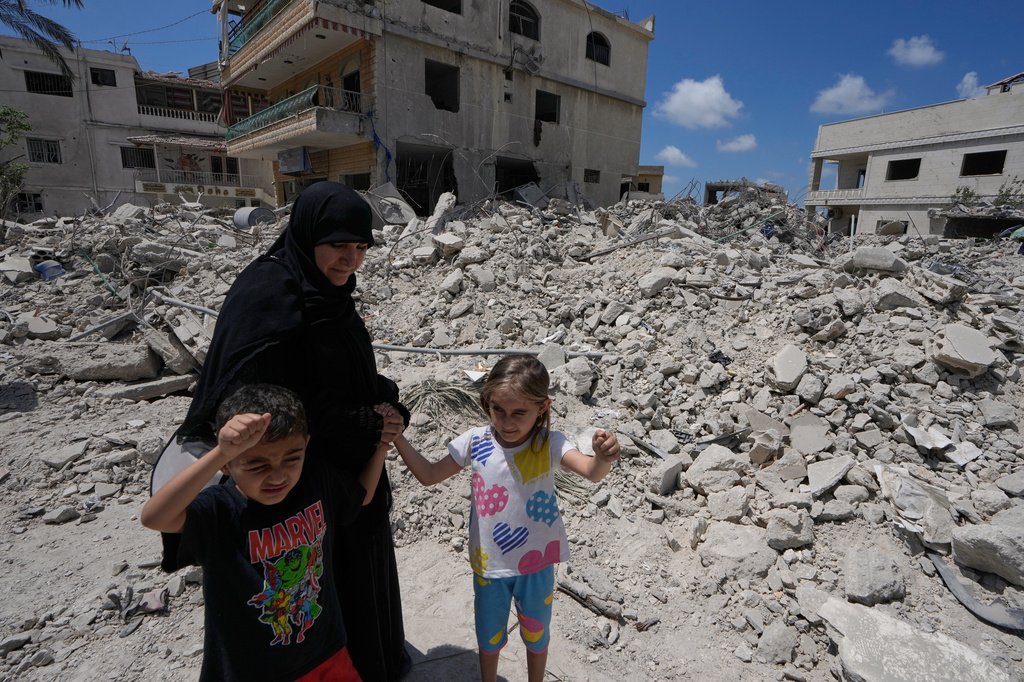
The U.S.-Iran memorandum of understanding has been signed, but the text remains hidden from the public, Congress, and most regional governments. A senior administration official confirmed that President Trump and Vice President Vance digitally executed the document on Sunday, with a formal ceremony set for Friday in Geneva. Trump told reporters at the G7 that the document would be released 'probably pretty soon,' but not before the signing.
In the vacuum of secrecy, Washington, Tehran, Jerusalem, and Beirut are competing to define the deal's meaning in real time. Their versions are already irreconcilable on the issue most critical to regional stability: the fate of Lebanese territory.
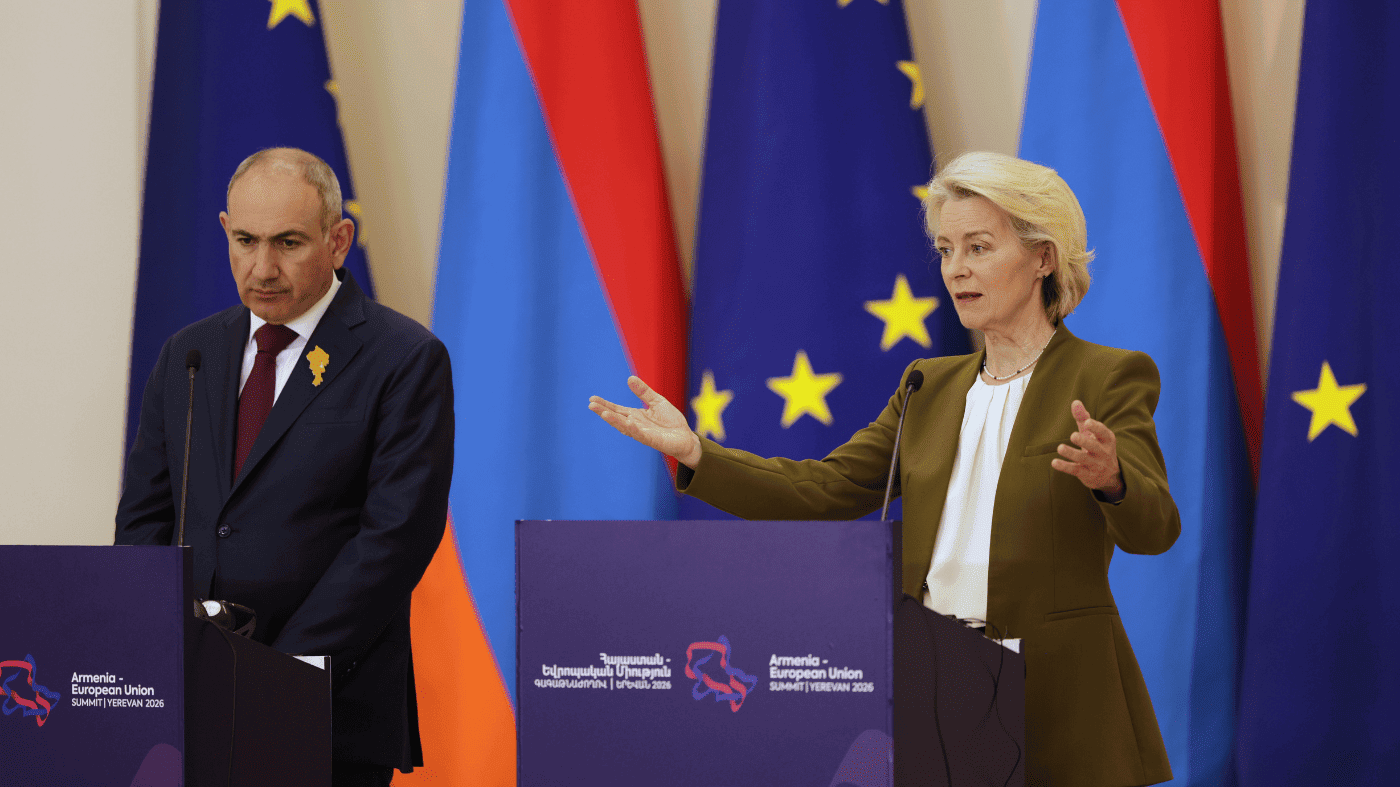
Hezbollah has hailed the deal as a 'great achievement,' framing it as a prelude to the full liberation of Lebanese land and the return of displaced residents. The group explicitly warned that this must not repeat the 2024 ceasefire, under which Israeli forces remained on Lebanese soil. Israel's response came within hours: Defense Minister Israel Katz declared that the IDF will remain in security zones in Lebanon, Syria, and Gaza indefinitely, regardless of any agreement with Iran. National Security Minister Itamar Ben-Gvir reinforced that Israel will not withdraw from any occupied territory.
Caught between these positions, the Lebanese state is struggling. The Lebanese Armed Forces urged displaced residents not to return to southern villages and to await further instructions, even as some families, encouraged by news of the deal, began heading home. The LAF itself cannot verify the deal's terms.
This is not a rhetorical disagreement awaiting clarification. It is two armed actors and a state security institution operating on three incompatible assumptions about the same undisclosed clause—before the ink is dry, before the ceremony, and before a single page is public. The memorandum reportedly establishes a 60-day negotiating period for nuclear and sanctions issues, during which U.S. force posture remains unchanged. Administration officials say troop levels will not be reduced until a final deal is reached, meaning Washington's commitments are back-loaded, while Iran's framing of the deal as a victory and Hezbollah's narrative of full Israeli withdrawal are front-loaded and already circulating as fact.
The Strait of Hormuz illustrates the same asymmetry. The administration says the strait will be 'toll-free for 60 days' and fully reopened by Friday. Iran's foreign minister has separately floated charging a service fee for passing vessels—a claim that directly contradicts the American framing of unconditional reopening. Nobody has reconciled these positions because nobody outside the negotiating rooms has seen the clause governing it.
The normal diplomatic gap is between aspiration and implementation. This is a stranger and more dangerous gap: between a document that is legally executed and one that is functionally invisible. Until Friday, and likely beyond, every public statement—Hezbollah's celebration, Katz's defiance, the LAF's caution, Vance's morning-show reassurances—is not commentary on the deal. It is an attempt to become the deal, to fix its meaning in the public record before the text can contradict the claim. That is not a transparency failure; it is a leverage strategy. And so far, Iran and its regional partners are running it more aggressively than Washington.
The signing ceremony in Geneva will produce photographs, not clarity. The actual test of this agreement arrives the first time a displaced Lebanese family returns to a village Israel has designated a security zone, or the first time Hezbollah treats a stalled withdrawal as a violation of an agreement it never read in full. Whoever's interpretation survives that first contact with events on the ground will have effectively authored the memorandum—regardless of what the released text eventually says. Right now, that authorship is up for grabs. And Iran, Hezbollah, and Israel are all writing faster than Washington.
For context, Trump's Iran deal has sparked a Republican revolt over secrecy and nuclear loopholes, while the naval blockade of Iran remains active ahead of Friday's ceasefire signing. This secrecy also echoes broader tensions, as GOP rifts widen over bypassing leadership on floor votes.