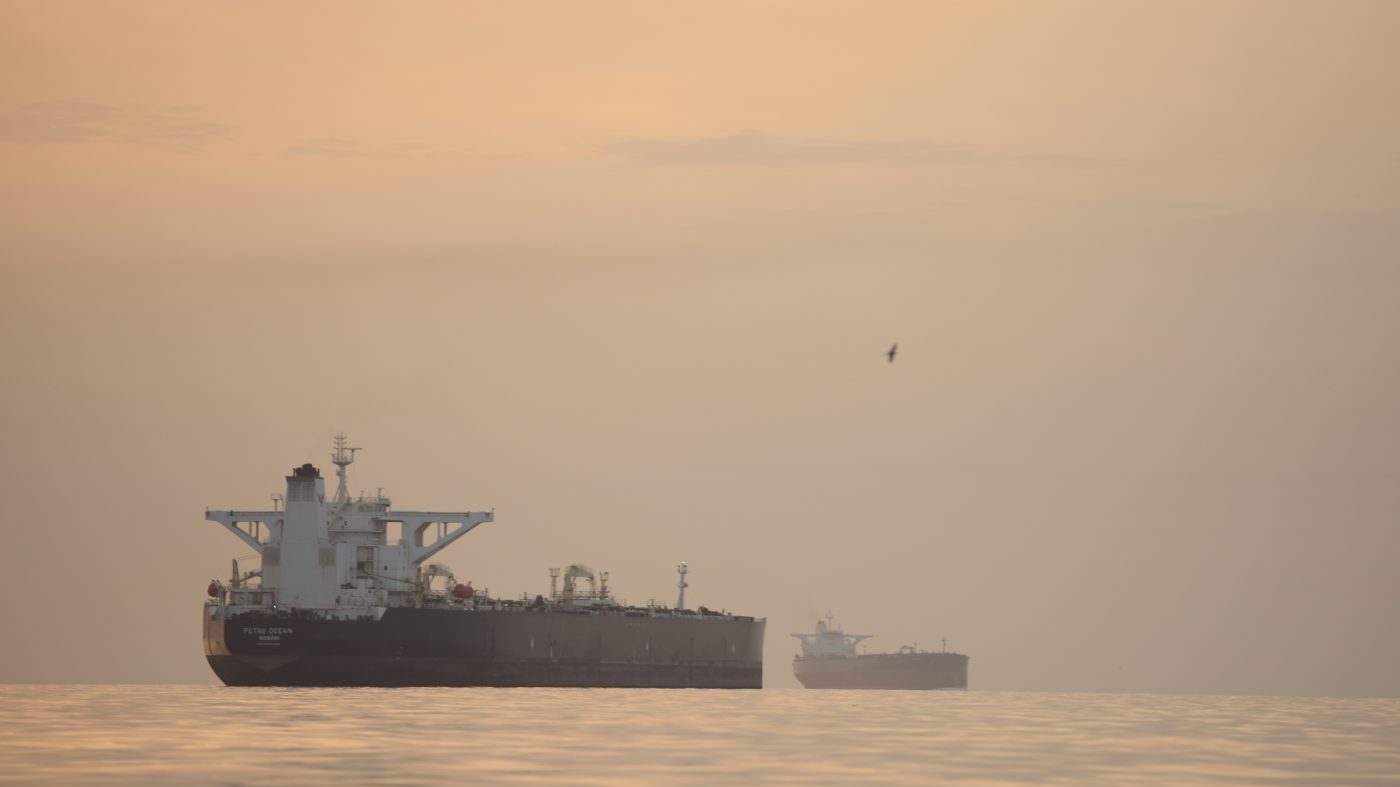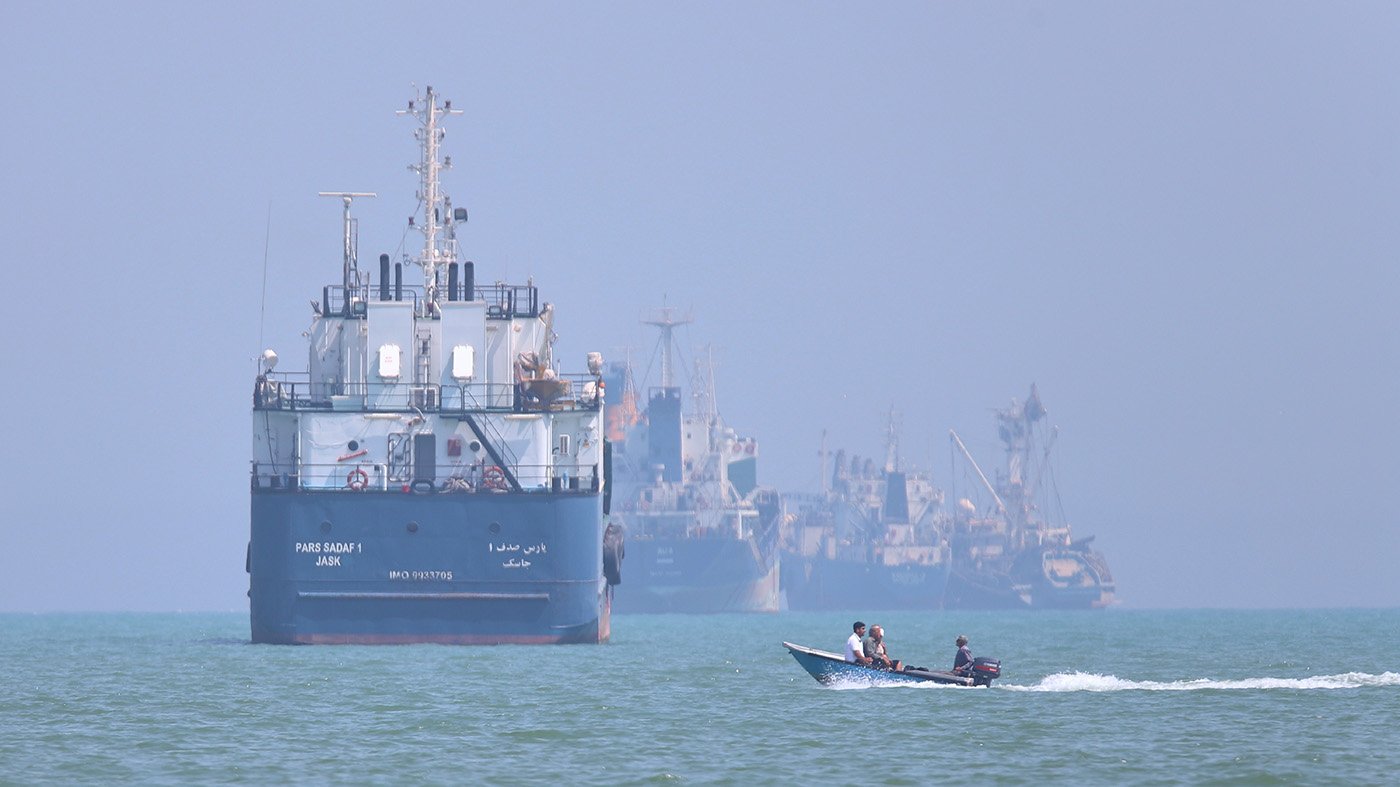
The United States military confirmed Monday that its naval blockade of Iranian ports remains fully in effect, even as Washington and Tehran prepare to sign a formal ceasefire agreement later this week. A maritime advisory issued to commercial shipping warns that no vessels may enter or leave Iranian harbors until explicit authorization is given.
“A military blockade of Iranian ports remains in effect restricting all traffic inbound and outbound from these ports,” the advisory states. “Do not attempt to cross until explicit direction is given.” The notice, reported by Reuters, also cautions ship captains to consider “the health and safety of their crews” and warns that ignoring orders “may result in rapid escalation to disabling or destructive fire.”
Preliminary Deal Announced, But Blockade Continues
President Donald Trump announced on Sunday that a preliminary agreement had been reached with Iran to reopen the Strait of Hormuz, a vital chokepoint for global oil shipments. Speaking on his 80th birthday at a UFC event on the White House lawn, Trump declared the waterway would be “permanently toll free” and claimed that “ships are starting to move” through the strait.
Senior US officials told reporters that Trump and Vice President JD Vance electronically signed a memorandum of understanding with Iran on Sunday, with full details to be released within 24 to 48 hours. However, that pact is only the first step. Vance is expected to lead “real technical discussions” later this week, culminating in a physical document to be signed Friday in Geneva, Switzerland.
War and Energy Crisis
The conflict, which began in late February as a US-Israeli military campaign against Iran, effectively closed the Strait of Hormuz. In response, Washington imposed a blockade on all Iranian ports and has disabled several vessels it accused of trying to evade the cordon. The blockade has contributed to a global energy crisis, driving up oil prices and forcing Mideast nations to seek alternative oil routes.
While the emerging deal aims to ease those pressures, it notably punts the core issue that sparked the war—Iran’s nuclear program—to a separate 60-day negotiation window. US officials said the military will maintain its current force posture in the region throughout that period.
What Comes Next
The Friday signing in Geneva is expected to formally end hostilities and reopen the Strait, but the continued blockade underscores the fragility of the process. For now, the US Navy retains the authority to stop and search any vessel near Iranian ports, and the threat of deadly force remains explicit. The coming days will test whether the ceasefire can hold long enough to address the deeper nuclear standoff.
The Trump administration has touted the agreement as a major diplomatic win, but critics note that the blockade’s persistence—and the unresolved nuclear issue—leave the region on a knife’s edge. As Trump touts a secret oil move through Hormuz, the reality on the water is far from settled.