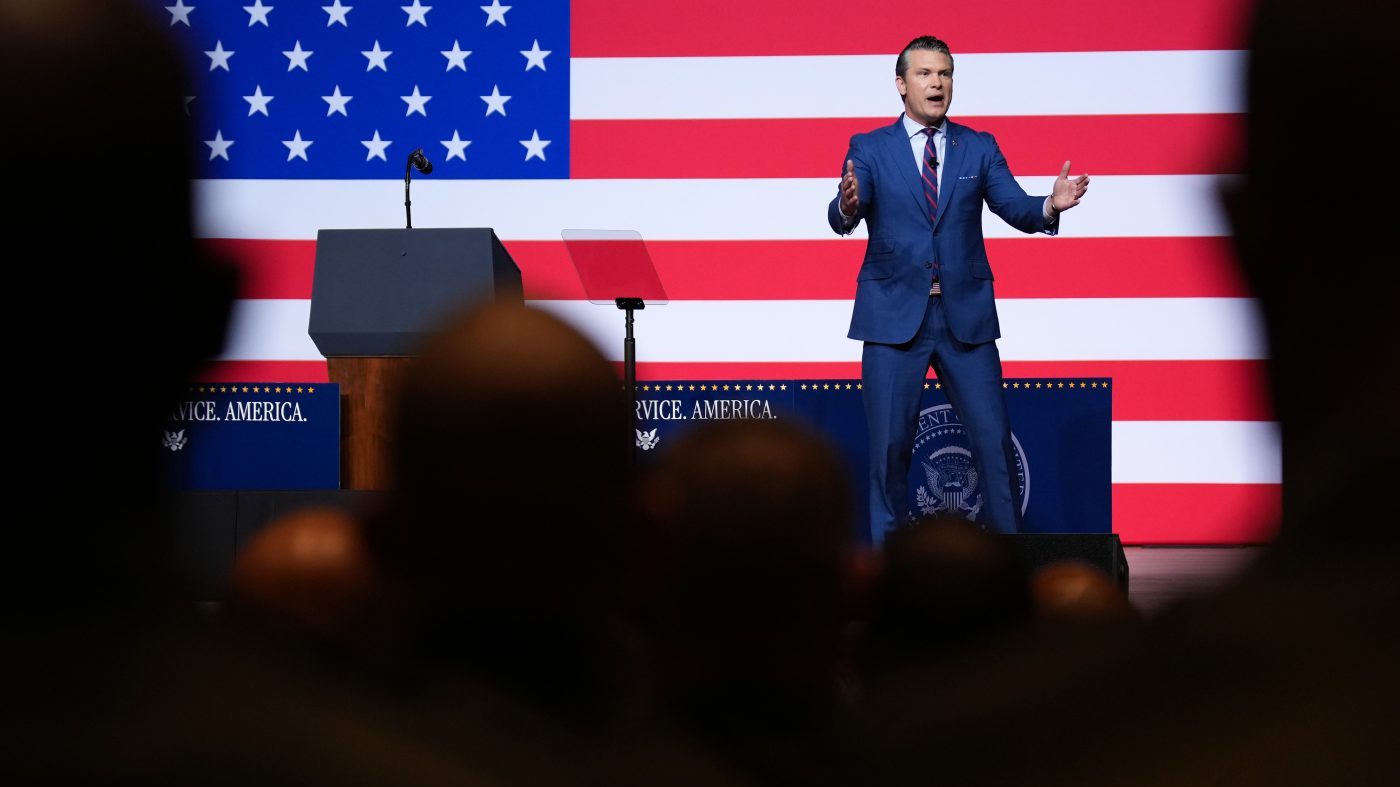
Defense Secretary Pete Hegseth has drawn sharp condemnation from former military leaders after blocking the promotions of multiple Navy and Air Force officers, with the moves disproportionately affecting women and minorities. The decisions, described as unprecedented by critics, have raised alarms about the politicization of military advancement under the Trump administration.
According to reports, Hegseth halted the promotions of nine Navy officers, including three women and two Black men. The latest list of 22 prospective one-star admirals, made public last month, included no women — a stark contrast to the active-duty Navy, where women make up just over 21 percent of personnel. A former senior defense official called the lack of female representation “outrageous,” questioning the meritocracy of the process.
“What level of meritocracy is even there? What are you able to judge, but how are you judging it? Because there’s got to be at least one qualified somewhere,” the official told The Hill.
Air Force Promotions Also Targeted
Hegseth also blocked the promotion of nine Air Force colonels, The Wall Street Journal reported. Of the 26 officers recommended for the competitive promotion, which includes a pay raise, only 17 were announced. Among those recommended, just one was a woman, and none were Black. It remains unclear how many of the blocked officers were women or minorities.
Former Air Force Secretary Frank Kendall, who served under President Biden, said the moves are without precedent. “In my three and a half years running the Air Force and Space Force, I did not ever have a general officer list changed by the Secretary of Defense, and I never tried to change a list myself,” Kendall told The Hill.
DEI Policy War Fuels Controversy
The promotion blocks come as Hegseth and his allies continue a campaign to root out diversity, equity, and inclusion (DEI) policies from the Pentagon. Hegseth has argued that the Biden administration elevated unqualified officers based on race or gender, jeopardizing military readiness. However, former defense officials deny those claims, insisting promotions were merit-based.
“There seems to be an assumption that if you were a minority or a woman and you were promoted, that it was because of your identity and not because you’re good at what you do,” Kendall said. “That’s sending a really negative message to everybody who’s not a white male, and I’m afraid this is pervasive right now in our military.”
Hunter Stires, a former maritime strategist under Navy Secretary Carlos Del Toro, accused Hegseth of hypocrisy. “Hegseth talks merit and walks chauvinism,” Stires said. “He doesn’t care about merit. He cares about creating a flag officer wardrobe that looks like him. The message to the force is extremely corrosive, because the message is that merit doesn’t matter.”
A Pentagon official defended the actions, stating that anyone with an “issue” with merit-based promotions should “reconsider their values.” The official added, “The Department will never consider the color of a service member’s skin or their gender as a factor in promotions. Under President Trump and Secretary Hegseth, meritocracy reigns supreme at the War Department.”
Behind the Scenes: Hegseth’s Criteria
A former U.S. official familiar with Hegseth’s deliberations said the defense secretary would not strike an officer off the list because of their race or gender. “However, he is going to strike people if he thinks that they’re not worthy. My idea of merit, your idea of merit, his idea of merit may be different. In his mind, it’s merit,” the official said.
Hegseth reportedly considers factors such as the officer’s occupation, history regarding DEI, actions under past administrations, combat experience, and whether they align with his vision for the military. Critics argue this subjective approach undermines the integrity of the promotion process, which is typically based on recommendations from a board of admirals or generals.
As tensions rise, the impact on retention is a growing concern. Former defense officials worry that officers from diverse backgrounds may reconsider their careers, further eroding the military’s effectiveness. The controversy also intersects with broader political battles, including Hegseth’s vows to maintain military readiness amid escalating international tensions.
The Pentagon’s stance remains firm, but the fallout from Hegseth’s actions is likely to persist, with former leaders and lawmakers closely watching the next promotion cycles.