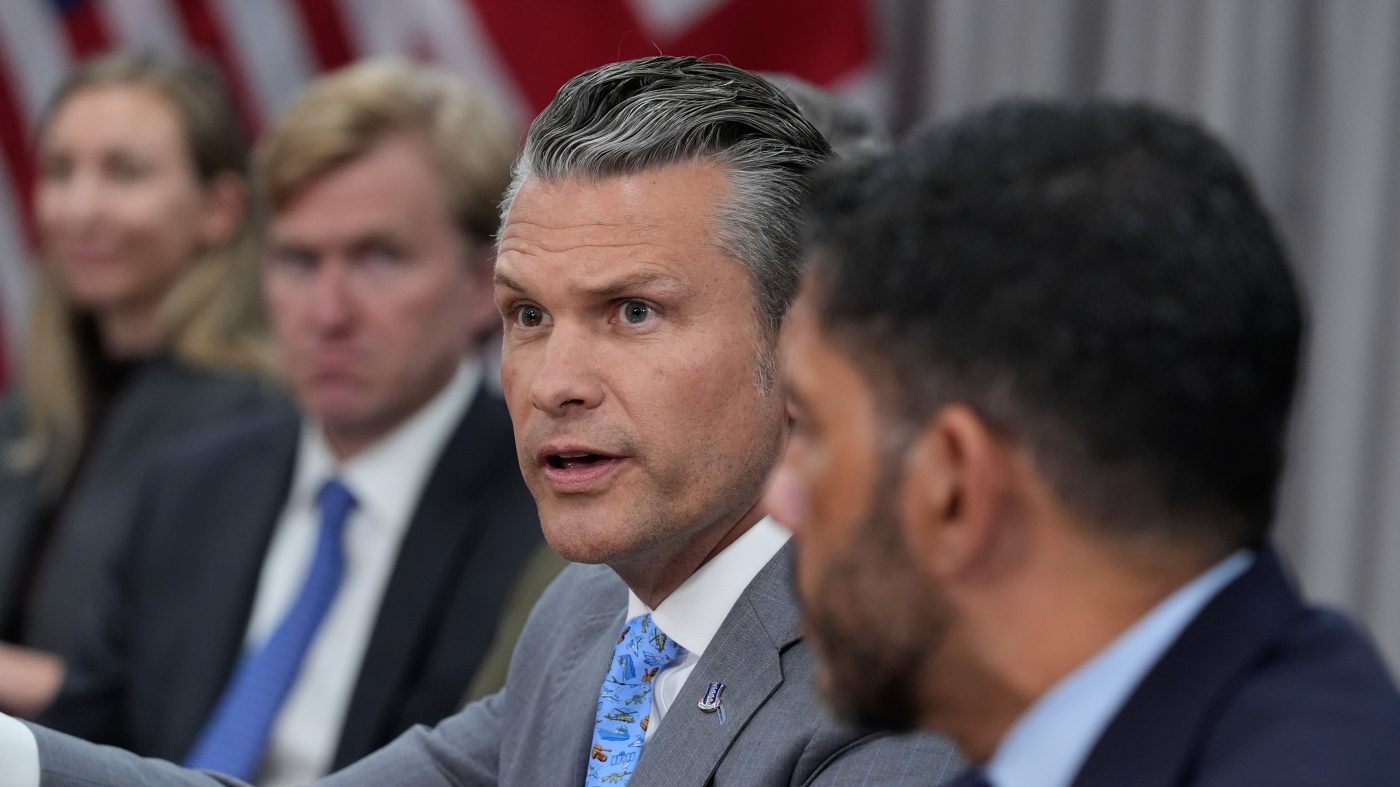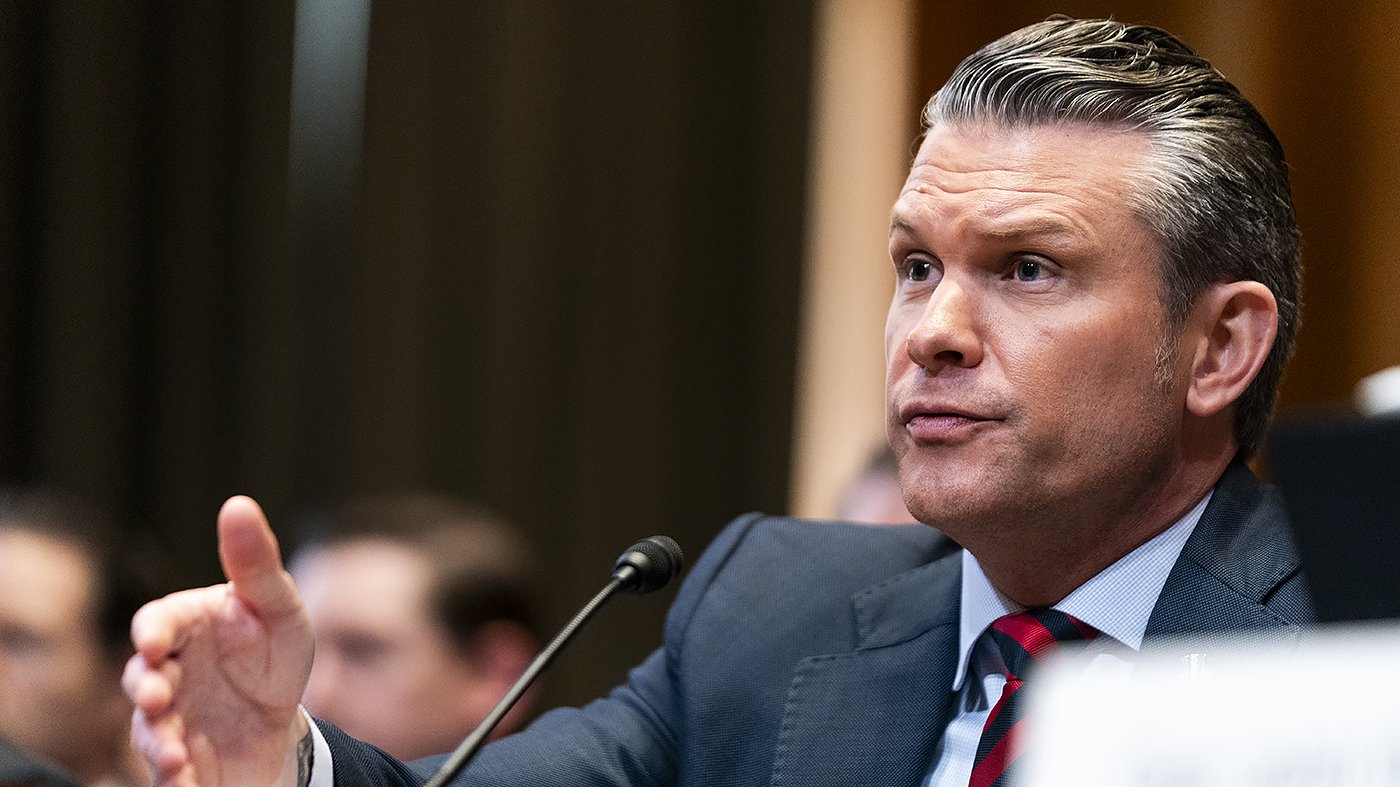
Defense Secretary Pete Hegseth doubled down Tuesday on the administration's position that Congress has no constitutional role in authorizing military action against Iran, telling senators that President Trump already holds all the executive power needed to escalate operations.
Testifying before the Senate Appropriations Committee on the Pentagon's $1.5 trillion budget request, Hegseth directly rebutted Sen. Lisa Murkowski (R-Alaska), who has been pressing for a formal vote on an authorization for use of military force (AUMF) beyond the 60-day window set by the War Powers Act of 1973. "Senator, our view is that should the president make the decision to recommence, that we would have all the authorities necessary to do so," Hegseth stated.
Murkowski's resolution, which would require Congress to approve any sustained combat operations against Tehran, faces stiff opposition from Senate Majority Leader John Thune (R-S.D.). Thune has declined to schedule a floor vote, citing concerns about putting GOP lawmakers on the record ahead of the midterm elections. "At this point, I don't see that," Thune told reporters last week. "We're listening carefully to what the members of our conference are saying."
The debate centers on whether the war powers clock has already expired. The conflict with Iran surpassed the 60-day mark on May 1, a deadline that would have required Trump to either wind down operations or seek congressional approval. The president could also request a 30-day extension for safe troop withdrawal. But Hegseth and Trump argue the clock reset when a temporary ceasefire was announced with Tehran.
Trump wrote to Congress on May 1 claiming "no exchange of fire" since the ceasefire took effect, but acknowledged the threat from Iran "remains significant." However, recent skirmishes in the Strait of Hormuz—where U.S. and Iranian forces have traded attacks—have threatened to unravel the fragile truce. Trump himself described the ceasefire as being on "life support" Monday, though he insisted it remains intact.
Murkowski pressed Hegseth on the disconnect between the administration's rhetoric and the military's posture. "When the president says hostilities have ended, we still have 15,000 troops that are forward deployed, more than 20 warships in an active naval blockade. [U.S. Central Command] has redirected 61 commercial vessels, disabled tankers," she said. "In other words, it doesn't appear that hostilities have ended."
Over the weekend, Trump escalated his rhetoric, calling Iran's response to a U.S. peace proposal "totally unacceptable" and threatening further strikes. Iran's Parliament Speaker Mohammad Bagher Qalibaf fired back Monday, warning that if Washington does not accept Tehran's 14-point counteroffer, American taxpayers "will pay for it."
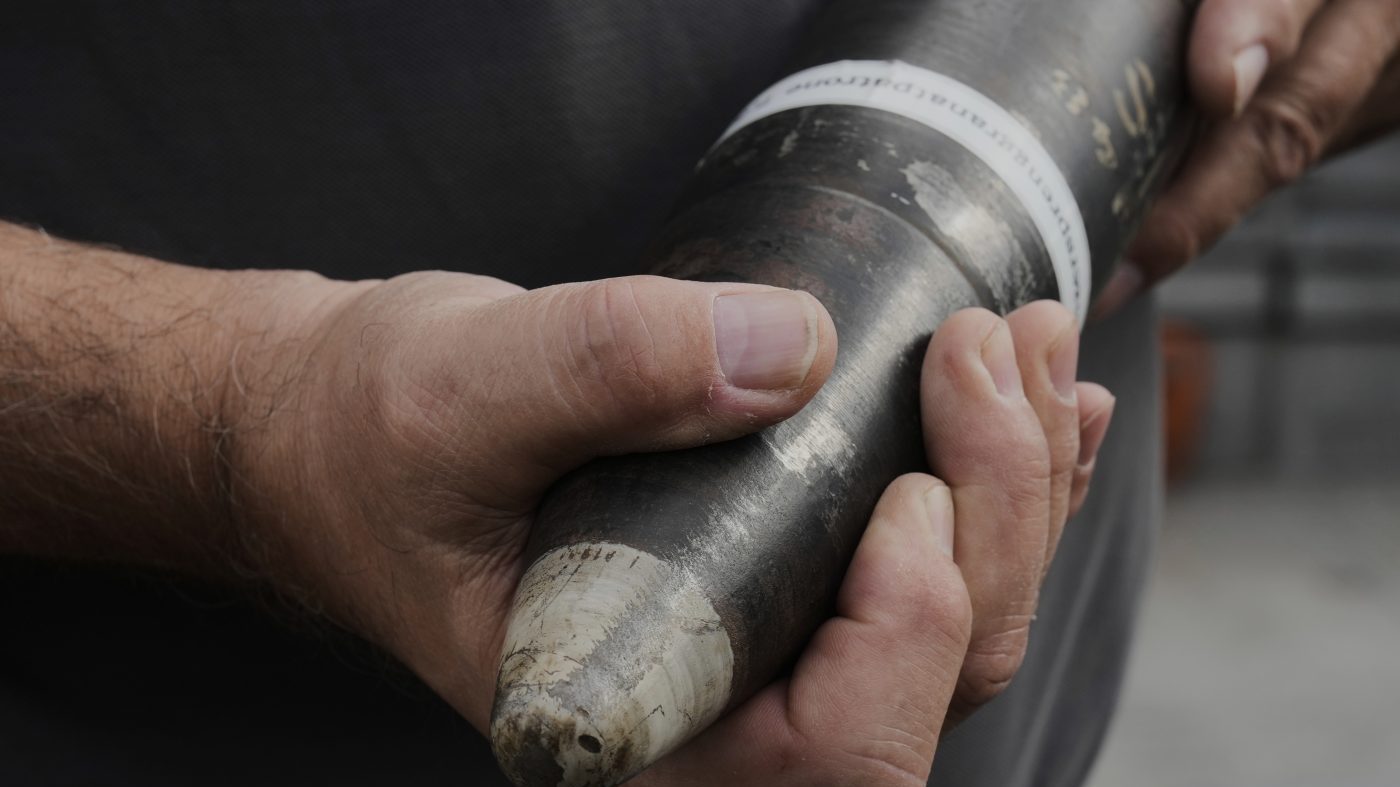
Hegseth's testimony comes amid broader tensions over Pentagon strategy and alliance strains, as explored in McConnell's challenge to Hegseth on budget strategy. The defense secretary's stance also echoes his earlier clashes with former officials over weapons depletion in the Iran conflict, detailed in the Hegseth-Kelly feud over munitions shortages.
Meanwhile, House GOP leaders have pressed Hegseth on the $1.5 trillion Pentagon budget and the soaring costs of the Iran war, as reported in their recent questioning. With no AUMF vote in sight and hostilities simmering, the constitutional standoff between the executive and legislative branches over war powers remains unresolved.