Former Diplomat Says U.S.-Vatican Relations in Unprecedented Crisis
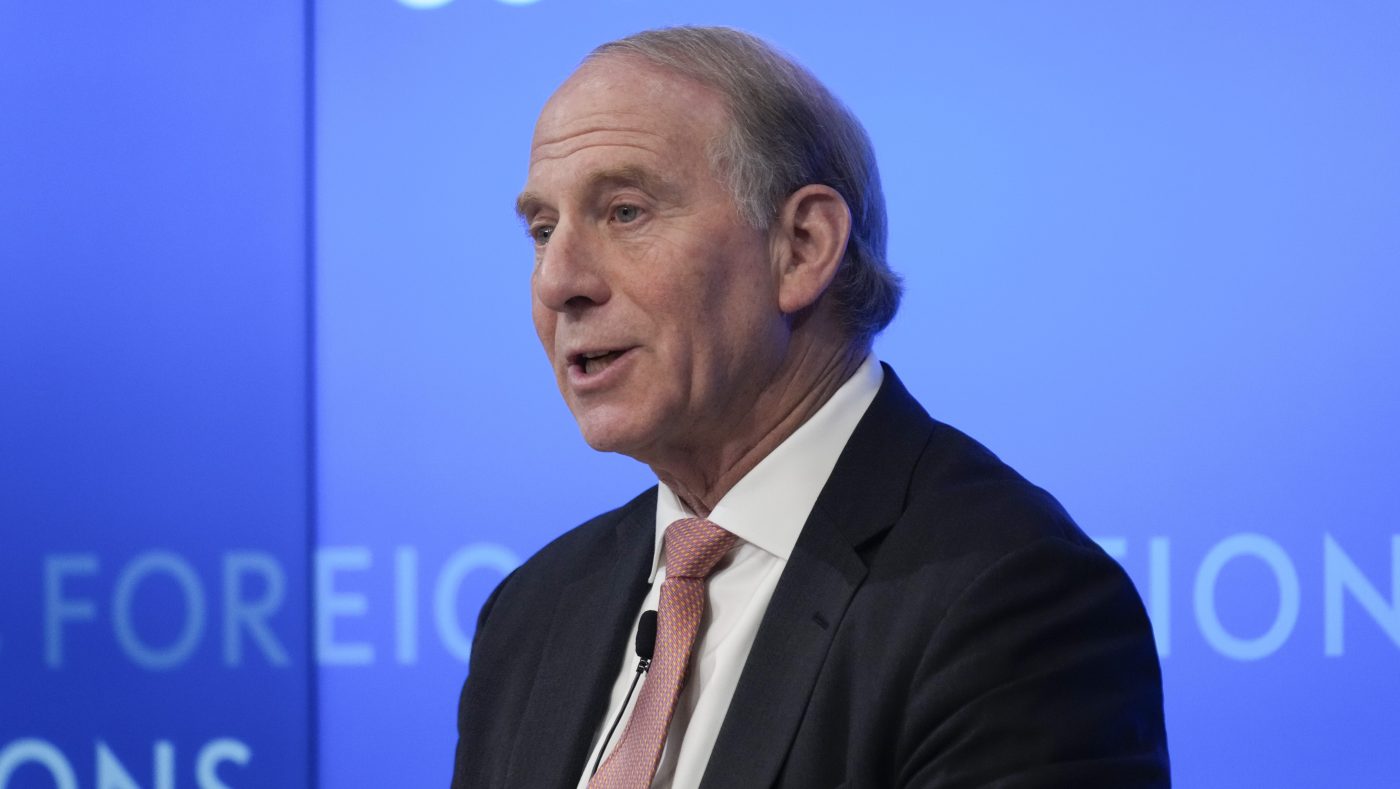
Richard Haass, president emeritus of the Council on Foreign Relations, offered a stark assessment of diplomatic relations between the United States and the Holy See during a television appearance on Saturday. When asked to rate the current tensions on a scale of one to ten, Haass responded, "maybe 23," indicating a situation he views as extraordinarily severe and abnormal.
Haass made the remark on MSNBC's "Morning Joe Weekend" while discussing a report from The Free Press alleging that a senior Pentagon official threatened a Vatican diplomat during a January meeting. "I mean, of all the fights to pick," Haass said, criticizing what he characterized as misplaced U.S. priorities. "We give Russia a free pass. We let Iran do half the stuff it's doing... And who do we go after? We go after our democratic allies, and then we go after the Catholic church."
Alleged Threat and Forceful Denials
The controversy stems from a report claiming that Elbridge Colby, head of the Pentagon's policy office, met with Cardinal Christophe Pierre, then the Vatican's envoy to the U.S., on January 22. According to unnamed sources cited by The Free Press, Colby warned that the U.S. military has "the power to do whatever it wants" and that the Church should align with American interests. The report further alleged that Colby referenced the 14th-century "Avignon Papacy," a period when the French monarchy exerted control over the papacy.
Both the Pentagon and the Vatican have issued categorical denials. The Defense Department labeled the story "grossly false and distorted," describing the meeting as "cordial," "substantive, respectful and professional." Officials stated the discussion covered broad topics including U.S. national security strategy and global regions. The Pentagon and Vatican's joint rejection of the allegations has been emphatic.
Cardinal Pierre, through the U.S. ambassador to the Holy See, called the account "fabrications" that were "just invented." Matteo Bruni, director of the Holy See Press Office, echoed this, stating, "The account offered by certain media outlets regarding this meeting does not correspond to the truth in any way." He characterized the meeting as a routine diplomatic exchange.
Broader Context of Strained Relations
The reported incident occurs against a backdrop of growing policy disagreements between the Vatican and the U.S. administration. Pope Leo XIV, the first American pontiff, has been an outspoken critic of recent U.S. military and foreign policy actions. He publicly urged dialogue with Venezuela shortly before U.S. forces captured President Nicolás Maduro in January, and later called for Venezuelan independence following the operation.
The Vatican also declined to participate in the U.S.-led Gaza Board of Peace, with Secretary of State Cardinal Pietro Parolin arguing in February that the United Nations should manage such crises. Most recently, Pope Leo condemned President Trump's threat against Iran's civilization as "truly unacceptable," framing it as a moral issue beyond international law. These stances have placed the Holy See at odds with Washington on multiple fronts, contributing to the wider tensions within the Western alliance over Iran policy.
Haass's commentary underscores a perception among some foreign policy experts that the administration is alienating traditional allies while taking a softer approach toward strategic adversaries. His critique aligns with concerns from other quarters about the state of transatlantic relations and NATO cohesion.
Despite the vehement denials from all official parties involved, the mere publication of the report and Haass's severe characterization suggest a deep erosion of trust and a highly charged atmosphere between two of the world's most influential institutions. The episode highlights how perceptions and alleged behind-the-scenes discord can define a diplomatic relationship as much as formal policy positions.