Senator Aligns With President as Deadline Nears
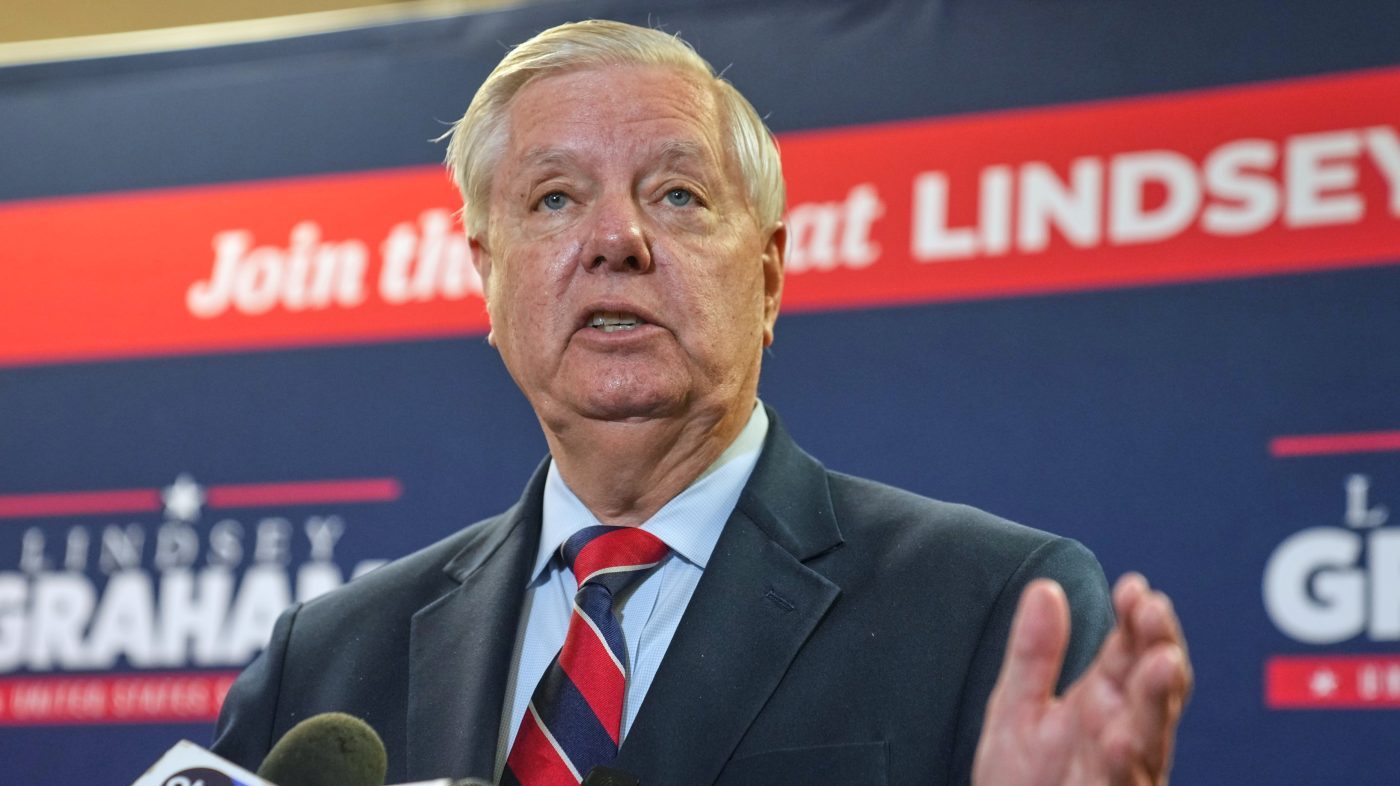
Senator Lindsey Graham, the South Carolina Republican, declared his support on Saturday for President Trump's demand that Iran reopen the strategic Strait of Hormuz and agree to a peace deal with the United States within 48 hours. Graham issued a stark warning to Iranian leadership, urging them to "choose wisely" in the face of the impending deadline.
"After speaking with President Trump this morning, I am completely convinced that he will use overwhelming military force against the regime if they continue to impede the Strait of Hormuz and refuse a diplomatic solution," Graham stated in a post on the social media platform X. He added, "If it's not clear to Iran and others by now that President Trump means what he says then I don't know when it will ever be."
Trump's Escalating Rhetoric
The senator's comments amplify President Trump's own escalating rhetoric. On his Truth Social platform, Trump wrote that "time is running out" and warned of dire consequences if Iran fails to comply. "48 hours before all Hell will reign down on them," he posted, concluding with, "Glory be to GOD!" This follows a pattern of the President dismissing Iranian diplomatic overtures as insufficient while maintaining military pressure.
The ultimatum was issued after Iranian anti-air defenses shot down two U.S. warplanes on Friday, including an F-15E Strike Eagle fighter jet operating over Iranian airspace. Both crew members ejected; one has been recovered while search-and-rescue operations continue for the other. The incident has sharply intensified an already volatile confrontation.
Since a national address on Wednesday, Trump has progressively increased his threats. He stated the U.S. military operation was "near completion" but warned America could send Iran "back to the stone ages." In subsequent posts, he threatened further destruction of civilian infrastructure, specifically mentioning bridges and the electrical grid, after U.S. strikes reportedly hit a major bridge near Tehran on Thursday. "IT IS TIME FOR IRAN TO MAKE A DEAL BEFORE IT IS TOO LATE," Trump insisted in one message.
Regional and Domestic Repercussions
The crisis has drawn international concern and domestic political reaction. Iranian President Masoud Pezeshkian directed a letter to the American people this week, cautioning that targeting Iran's power grid would constitute a war crime and trigger widespread instability and economic disruption with global repercussions. Meanwhile, progressive lawmakers like Senator Bernie Sanders have demanded congressional action to check the administration's approach.
Trump initially predicted the conflict would last four to five weeks, but the U.S. is now over a month into hostilities. In his televised remarks, the President suggested the conflict should end within two to three weeks. The prolonged engagement and blockade of the Strait of Hormuz—a critical chokepoint for global oil shipments—has already impacted energy markets. According to AAA, the national average gas price reached $4.10 on Saturday, a significant increase from just a month prior.
The Trump administration has dismissed concerns over rising fuel costs, with the President predicting a rapid economic rebound once the conflict concludes. He has asserted the strait will "open naturally" following a resolution. However, the administration faces scrutiny over its financial maneuvers during the crisis, including the recent Treasury Department's selection of BNY Mellon to manage new accounts.
As the 48-hour window closes, the situation remains poised between a potential diplomatic breakthrough and a severe military escalation. The international community watches to see if Iran will respond to what Graham characterizes as a final, unequivocal demand from Washington.