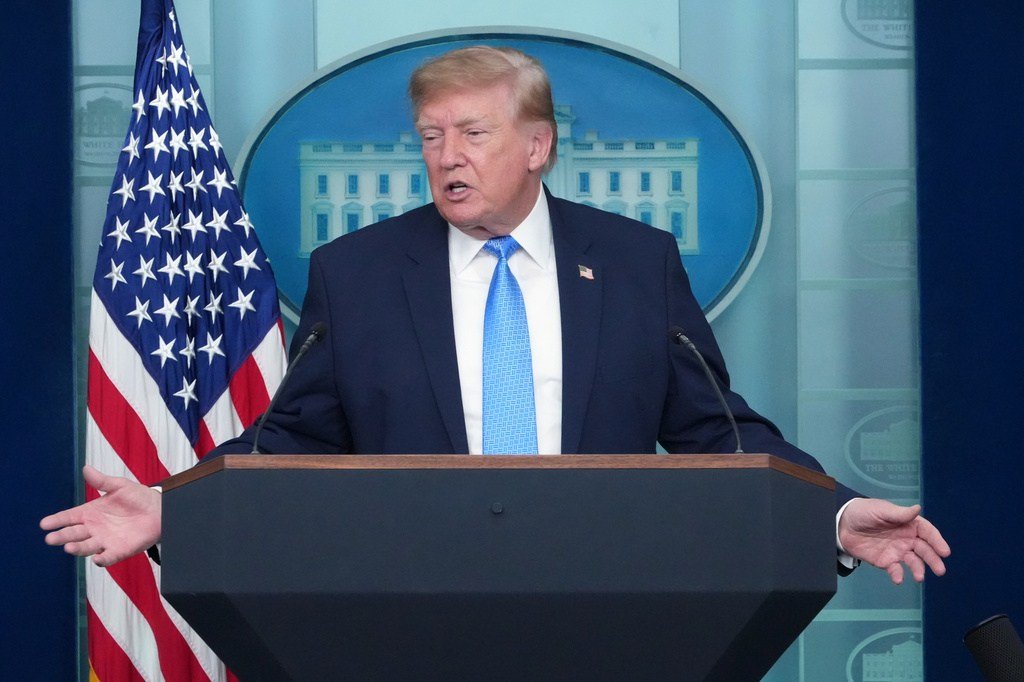
If Republicans want to avoid a repeat of their recent electoral drubbing in 2028, they need to start distancing themselves from President Trump's most controversial policies—and do it now, openly, and with conviction. That's the warning from Merrill Matthews, a Texas-based GOP strategist, who argues that the party's blind allegiance to Trump was a major factor in the midterm losses.
Matthews isn't calling for total opposition. He suggests that Republicans should push back when Trump's economic and foreign policy instincts are wrong—something they've largely failed to do over the past two years. The party's leadership is already showing signs of internal jockeying, with House Republicans vying to replace outgoing Speaker Mike Johnson. Rep. Jim Jordan (R-Ohio) has touted his oversight credentials, but Matthews questions whether any of them are willing to stand up to Trump himself.
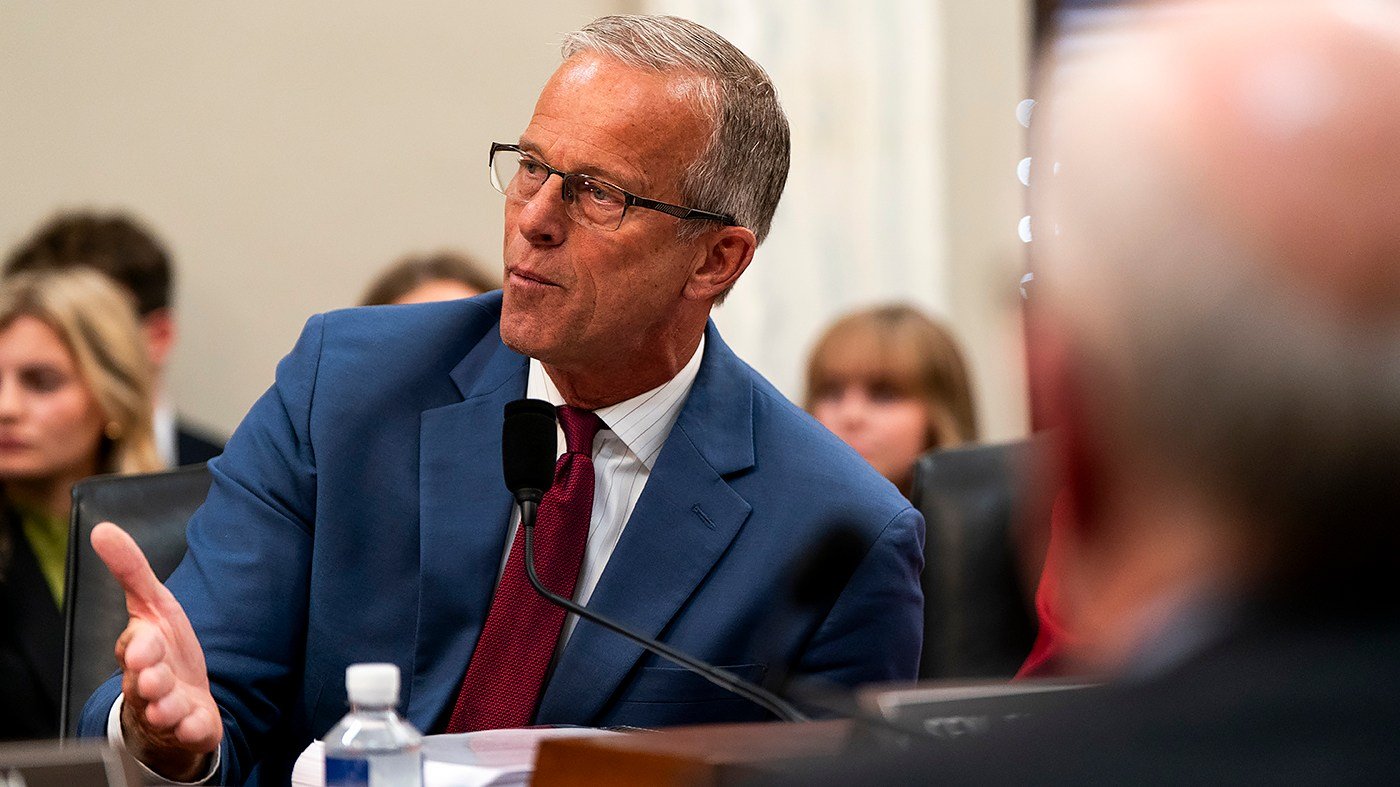
Senate Majority Leader John Thune (R-S.D.) has occasionally pushed back, notably when he declined to end the filibuster for the Save America Act, but he still drew boos from the MAGA base at the Republican midterm convention. Trump's reaction to the midterm rout has not been conciliatory. Instead of acknowledging the loss and adjusting course—as Presidents Clinton and Bush did after their midterm defeats—Trump has doubled down, replacing Chief of Staff Susie Wiles with hardliner Stephen Miller, a move that signals an even more combative approach.
This puts Republicans in a tough spot. They know they need to separate themselves from Trump's unpopular policies, but they fear the backlash from the president and his base. Nowhere is this more evident than on tariffs. Voters have shown they dislike Trump's arbitrary tariffs, which have driven up costs. Democrats are already planning to introduce legislation to repeal or restrict those tariffs, arguing that they are an unconstitutional tax.
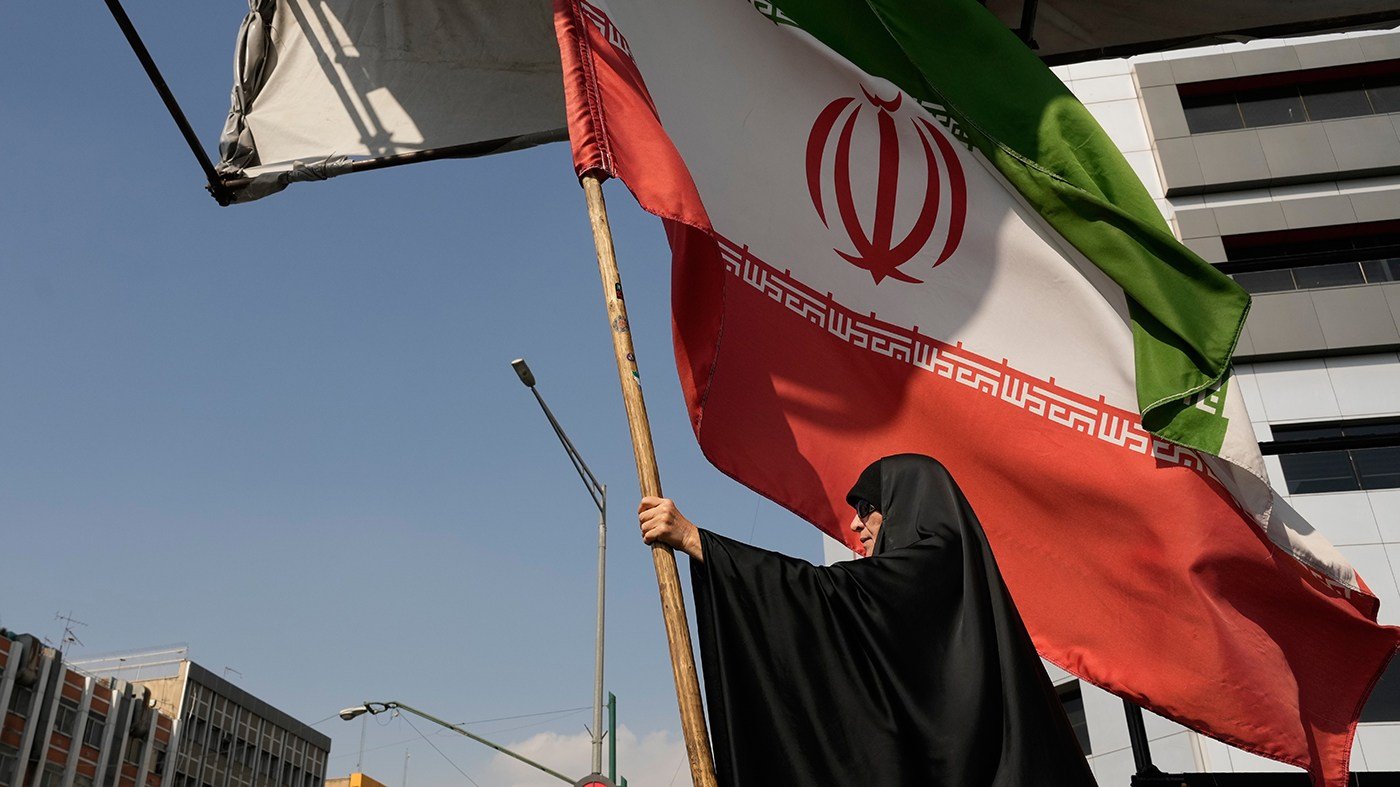
Trump, the self-proclaimed 'tariff man,' will likely pressure Republicans to vote against any repeal. But Democrats are daring them to choose between the president and the voters. A similar dynamic is playing out over the war with Iran. Senate Minority Leader Chuck Schumer (D-N.Y.) has vowed to push for defunding the conflict, arguing it's a quagmire that Congress never authorized. Republicans will again face a choice between backing Trump and backing fiscal and constitutional principles.
Beyond policy, Democrats are likely to target Trump's vanity projects, like the proposed Trump arch and the renaming of the Kennedy Center—moves that have irritated many voters. And on corruption, Democrats will open investigations into the Trump family businesses, particularly his sons' dealings. Republicans were eager to investigate Hunter Biden; now they may have to decide whether to hold the president's own family to the same standard.
The irony, Matthews notes, is that by rejecting some of Trump's priorities, Republicans could actually return to their core principles: free trade, fiscal responsibility, limited government, and respect for the separation of powers. The 2028 campaign is already underway, and Democrats will be happy to remind voters that Republicans are more loyal to Trump than to their own constituents.
As Ronald Reagan once said, it's 'a time for choosing.' For Republicans, that choice may determine their political survival.