France confirmed Wednesday that a doctor returning from a humanitarian mission in Congo has tested positive for the Ebola virus, marking a fresh test for global health preparedness as the outbreak in Central Africa shows no signs of slowing.
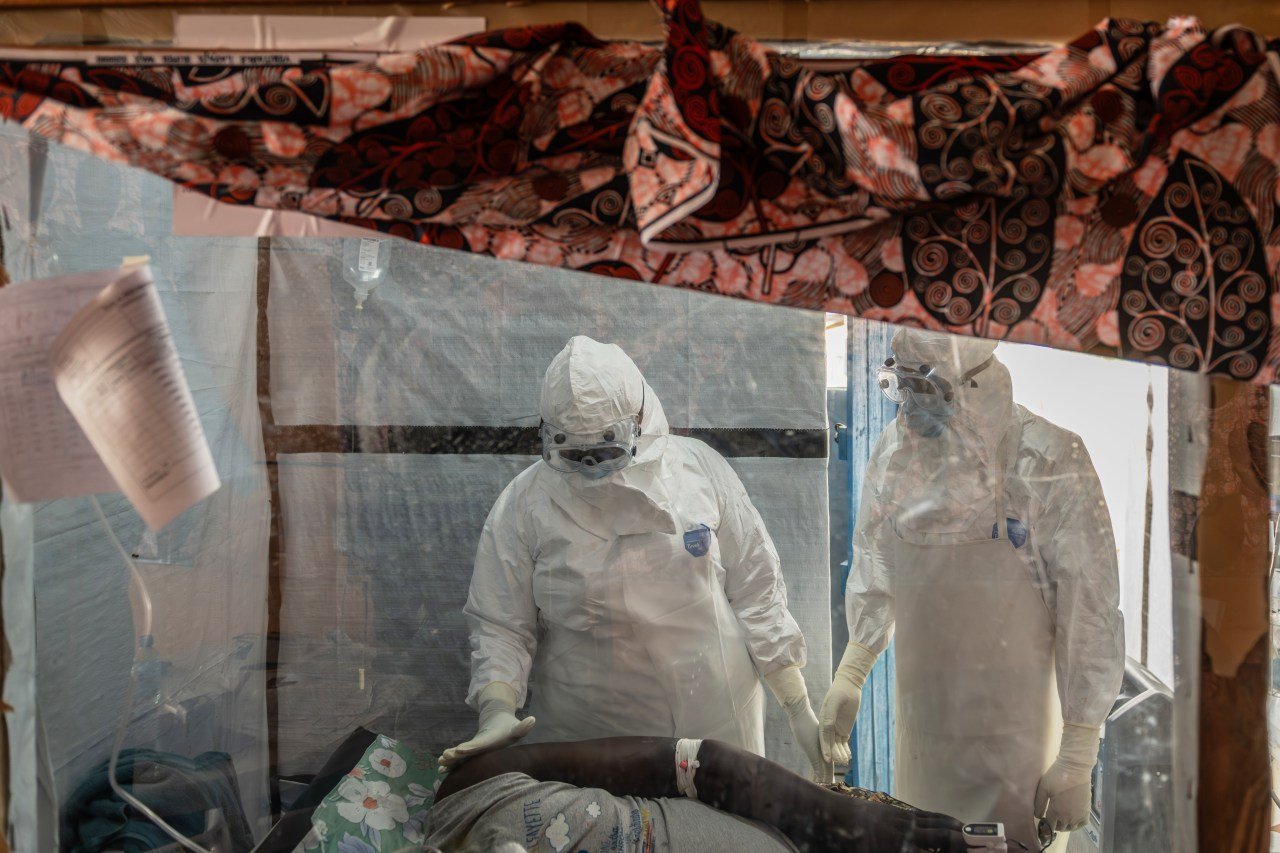
The French Ministry of Health said the unidentified individual arrived back from one of Congo's active transmission zones and was immediately taken to a specialized isolation facility. Officials described the patient's condition as stable and emphasized that all precautions were taken to prevent any risk of contamination during transport.
This case involves the Bundibugyo strain of Ebola, a rarer variant that has no approved vaccine or specific treatment. The current outbreak, declared on May 15, has already become the worst on record for this strain in its first month. Congo's health ministry reported 1,094 confirmed cases and 277 confirmed deaths as of Wednesday, though officials acknowledge the true numbers could be significantly higher due to underreporting and surveillance gaps.
“We are still in the early phase of this outbreak, and the peak may be ahead of us,” a Congolese health official said, speaking on condition of anonymity. Funding shortfalls have hampered the response, with international aid slow to arrive despite the growing crisis. As Ebola cases in Congo surge 38 percent, the lack of resources threatens to accelerate the spread.
The French case highlights the interconnected nature of global health security. The doctor had been working in a region where the virus is circulating and was screened upon departure from Congo. French authorities have not disclosed the exact location of the mission or the doctor's current facility, citing privacy concerns.
In Washington, the White House recently requested $87.6 billion for a range of priorities, including Ebola response and other global health efforts. That funding request is part of a broader debate over U.S. leadership in international health crises. Critics argue that a vacuum in American engagement has deepened the crisis, as the outbreak spreads amid political turmoil in both Washington and Kinshasa.
France's health ministry stressed that the risk to the general public remains low. “All necessary measures have been taken to ensure the safety of healthcare workers and the public,” a ministry spokesperson said. The patient is being treated in a high-level isolation unit designed to handle such pathogens.
The Bundibugyo virus, first identified in Uganda in 2007, has a lower fatality rate than the more common Zaire strain but still poses a serious threat. Without a vaccine, containment relies on rapid isolation, contact tracing, and strict infection control. The World Health Organization has warned that the outbreak could spiral if international support does not materialize quickly.