More than 160 troops at Lackland Air Force Base in Texas have contracted influenza in recent weeks, a direct consequence of Defense Secretary Pete Hegseth's decision earlier this year to scrap mandatory flu vaccines for service members, a source familiar with the outbreak told The Hill.
The Air Force confirmed that the 37th Training Wing, based at Lackland in San Antonio, is working closely with the 59th Medical Wing—the service's largest medical unit—to contain what officials described as a “localized influenza outbreak among trainees at Basic Military Training.”
“Medical professionals and Public Health officials have implemented mitigation measures to isolate and treat symptomatic trainees to reduce further exposure and continue to monitor the situation,” an Air Force spokesperson said in a statement. “Medical personnel are also monitoring trainees who were in close contact with sick members in case they become symptomatic.”
Symptomatic trainees are receiving antiviral treatments such as Tamiflu and will resume training only after medical clearance, the spokesperson added. More than 36,000 recruits pass through the 37th Training Wing annually.
The outbreak comes amid the death of Keon McDaniel, a trainee in his sixth week with the 737th Training Support Squadron, who suffered a medical emergency and died earlier this week at Brooke Army Medical Center. The Air Force said the cause is under investigation and a comprehensive medical review is underway. The outbreak was first reported by The New York Times.
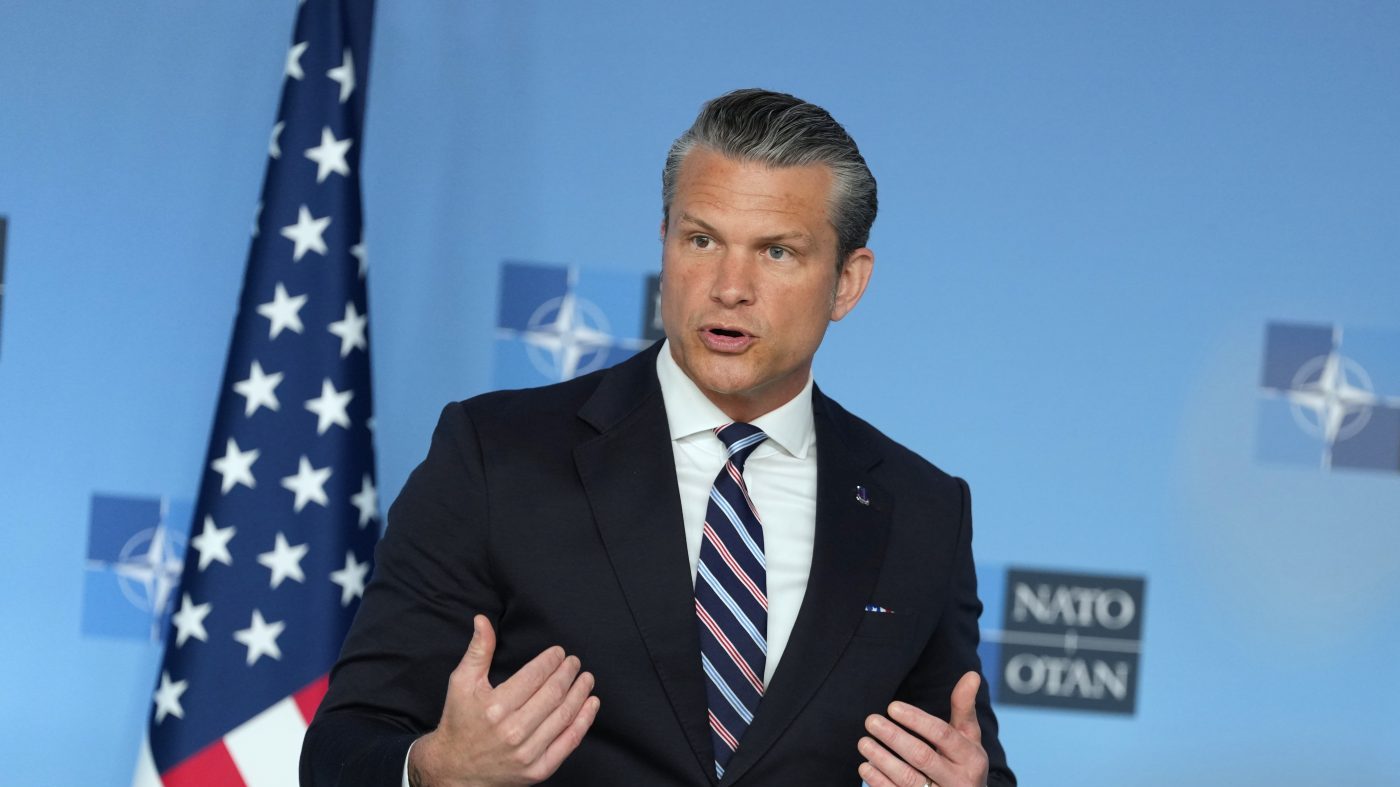
Hegseth ended the mandatory flu vaccine requirement in April, arguing the move restores “medical autonomy” and “freedom to express their religious convictions.” In a statement at the time, he said, “Our new policy is simple. If you, an American warrior entrusted to defend this nation, believe that the flu vaccine is in your best interest, then you’re free to take it. You should. But we will not force you. Because your body, your faith are not negotiable.”
The policy went further than the Pentagon’s previous stance, which allowed exemptions for reservists but still required the shot for most active-duty personnel. Hegseth characterized the old mandate as “absurd, overreaching mandates that only weaken our warfighting capabilities.”
The decision drew sharp criticism from lawmakers, including Senate Armed Services Committee Chairman Roger Wicker (R-Miss.), who called it a “mistake.” Wicker noted that the flu vaccine has a long track record of safety, unlike the COVID-19 shots he deemed “largely experimental.” “When I was on active duty and a reservist, I dutifully took my flu shot every year. And as a whole it made for a healthier armed forces,” Wicker said, though he conceded the impact on readiness would be “marginal.”
Rep. Joaquin Castro (D-Texas), whose district includes western San Antonio, slammed Hegseth’s move. “After Secretary Hegseth scrapped the military’s flu vaccine mandate, it was only a matter of time before an outbreak occurred. It was a reckless decision that put troops in harm’s way and undermined our military readiness,” Castro said in a statement Thursday. He added that he is “especially concerned” by McDaniel’s death and has requested the Pentagon provide a full accounting of the outbreak and investigate the circumstances of the trainee’s death. “For the wellbeing of our servicemembers and community, public health policies must be guided by science, not politics,” Castro said.
Pentagon spokesperson Sean Parnell said Hegseth issued updated guidance making flu shots voluntary for active, reserve, and civilian personnel, and directed Undersecretary of Defense for Personnel and Readiness Anthony Tata to consolidate all exception requests. “Following a comprehensive review of these requests, and in line with standard Department of War practice for adapting force health protection measures to critical operational realities, the USW(P&R) granted ETPs for the Department of the Army, Department of the Navy, Department of the Air Force, National Security Agency, and Defense Health Agency,” Parnell said. He added that the decisions were based on “thorough” risk assessments aimed at maximizing “operational readiness, lethality and force generation, while safeguarding at-risk populations.”
The Pentagon’s stance has sparked broader debate over military readiness and medical autonomy, with some GOP senators moving to restrict Hegseth’s travel funds over other policy disputes, while Democrats have subpoenaed officials over vaccine-related controversies.