The author of the Democratic National Committee's post-election review is pushing back against the party's handling of the document, claiming a critical section was never released. Paul Rivera, who authored the report, told The New York Times that his original submission included a chapter examining whether President Biden should have sought a second term, how Vice President Kamala Harris and Donald Trump performed across different racial demographics, and the party's struggles with voter turnout. The chapter also took aim at top Democratic leadership for being disconnected from the economic concerns of ordinary Americans.
In the disputed section, Rivera reportedly wrote that a growing critique of Democratic decision-making is that too many people have become “generationally wealthy off politics” and wield outsized influence within the party’s ecosystem. He described frustration among strategists, activists, and donors who want to pursue a different political approach but are blocked by a system he called “inflexible and self-enriching.”
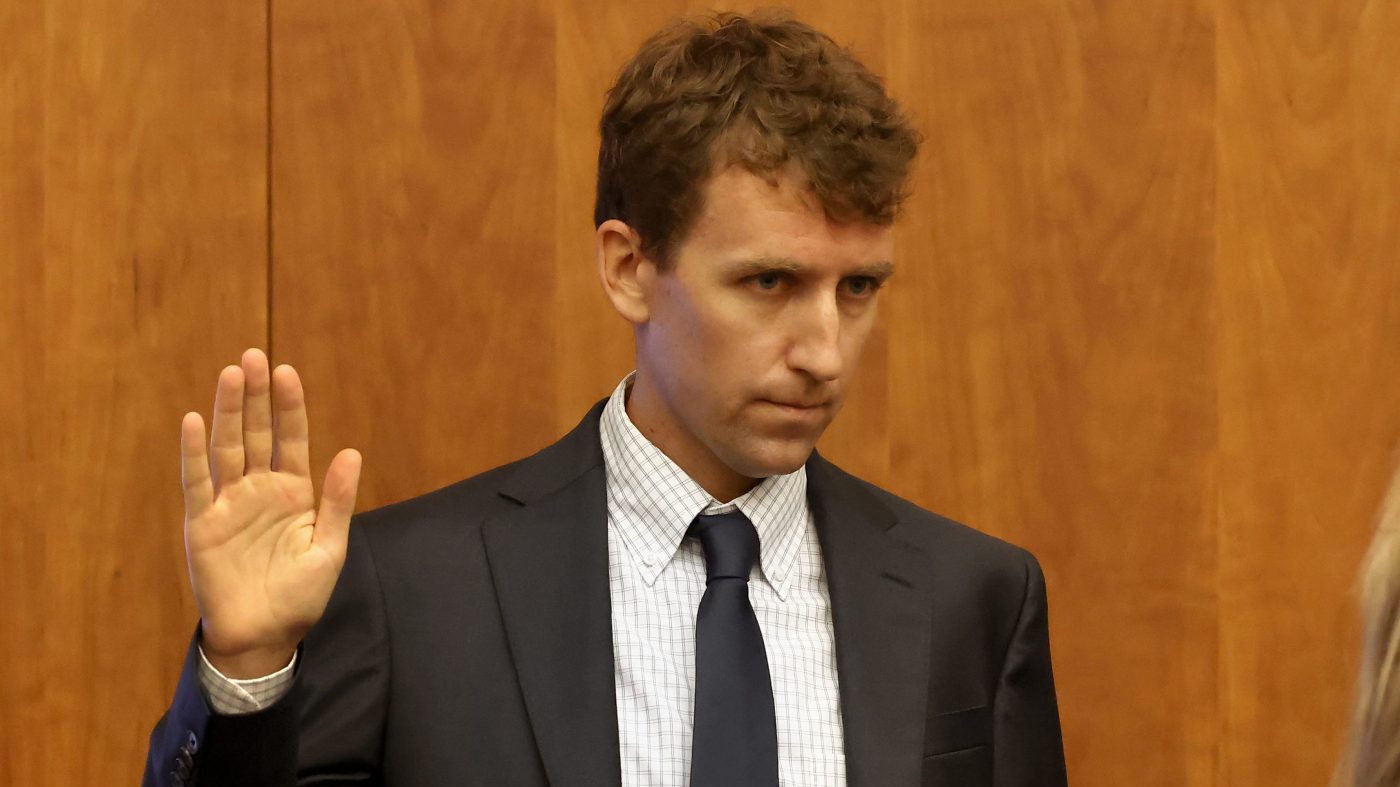
Rivera says he handed the full report, including that chapter, to DNC Chair Ken Martin during a January meeting. He also claims he sent an early draft to another party official, though the Times notes that DNC emails are automatically purged after 30 days. Martin, however, flatly denies receiving the material. He insists the chapter was never in his possession and could not be found at party headquarters.
Martin told the Times that what Rivera shared in January was part of a “lessons learned” exercise, not new report content. “As we said at the time, in May we released all of the draft report as we’d received it from the author. If we had this in May, we would have released it with the rest of the report,” Martin said. He added that the work with Rivera in January was focused on those lessons-learned products and did not involve reviewing new material.
The dispute comes amid broader tensions within the party over the handling of the post-election review. The DNC initially said it would not release the autopsy, but reversed course in May after Martin acknowledged the contents he had received were not “ready for primetime.” He said he did not endorse the report but released it for transparency’s sake. “I could not in good faith put the DNC’s stamp of approval on it. But transparency is paramount,” he said at the time.
Martin has also faced criticism over the party’s finances, with the DNC currently $2 million in debt compared to the RNC’s nearly $130 million in cash reserves. Reports last month that Martin threw a phone at an aide’s desk have added to the scrutiny, though most Democrats have stopped short of calling for his resignation, wary of further instability ahead of the midterms.
Rivera’s claims have fueled concerns among Democrats who already felt the party’s post-mortem was incomplete. The Times previously reported that the DNC was unlikely to address whether Biden should have run, and Martin’s initial decision to withhold the report drew sharp backlash from within the party. The new allegations, if true, could deepen doubts about Martin’s leadership and the party’s willingness to confront uncomfortable truths.
Martin, who ran for chair on a platform of accountability and reforming the party’s consultant class, pushed back on the notion that he would suppress criticism of consultants. “I ran for Chair, and one of my key priorities remains, to hold the consultant-industrial complex accountable and ensure the party only pays for work that actually helps us win,” he said in a statement. “If I or the DNC had report materials that went after self-enriching consultants, we absolutely would have included them — just as we included all other materials provided by the author.”
The Hill reached out to several organizations where Rivera serves as an adviser for comment. The ongoing dispute highlights the internal friction within the Democratic Party as it grapples with its 2024 losses and looks toward the 2026 midterms. Recent Michigan primaries have already exposed divisions, and the controversy over the autopsy could further complicate efforts to unify the party.
As questions mount over Martin’s leadership and the party’s direction, the DNC’s handling of this report may become a defining issue in the months ahead. Whether the missing chapter ever surfaces remains unclear, but the political fallout is already being felt.