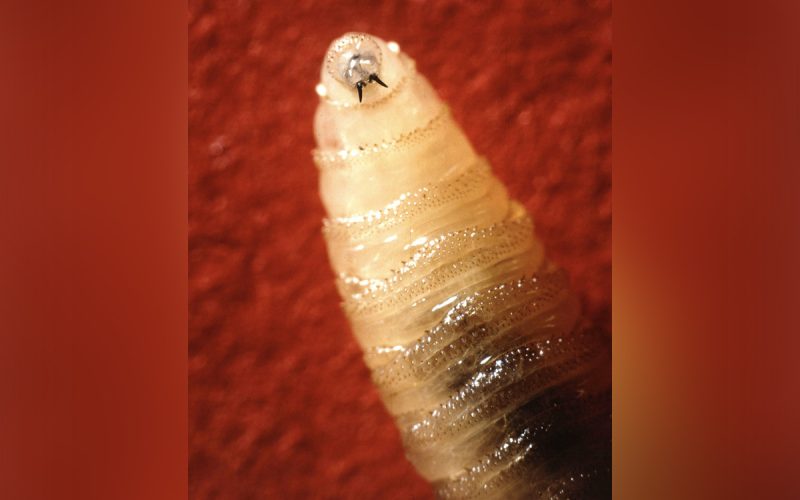
The New World screwworm, a parasitic fly whose larvae feed on living flesh, has reemerged in the United States after being eradicated for decades. Confirmed cases in Texas and New Mexico have raised alarms among officials who fear the pest could devastate American livestock and cattle herds. Unlike many pests that target only specific animals, this fly can lay eggs on any warm-blooded host, including humans and household pets.
Spread and Confirmed Cases
In Lea County, New Mexico, one confirmed case involves a small pet dog, underscoring the threat to domestic animals. The screwworm's return has prompted urgent responses from state and federal agencies, with the USDA ramping up surveillance and containment measures. The outbreak in Texas has already led to quarantines, as officials work to prevent further spread that could disrupt beef markets.
Symptoms to Watch For
Infected animals or humans may exhibit signs such as persistent wounds that fail to heal, often with a foul odor. Maggots may be visible in the affected area, and the host may show signs of distress, irritation, or lethargy. In livestock, screwworm infestations can lead to severe tissue damage, secondary infections, and even death if untreated. Pet owners should inspect their animals regularly, especially after outdoor activities in affected regions.
The screwworm lifecycle begins when adult flies lay eggs near a wound or natural opening on a host. The larvae hatch and burrow into the flesh, feeding and growing. This process can cause extensive damage and is often painful for the host. Early detection is critical, as treatment involves removing the larvae and cleaning the wound, along with veterinary or medical care.
Political and Economic Fallout
The resurgence has become a political flashpoint, with Trump officials blaming the Biden administration for the screwworm's return, citing lapses in border biosecurity. USDA Chief Rollins faced a Senate grilling over the crisis and the department's budget, as lawmakers demand a coordinated response. The economic stakes are high: cattle ranchers in Texas and New Mexico fear losses that could ripple through the beef supply chain, potentially raising prices for consumers.
State and federal agencies are now collaborating on a containment strategy, including sterile insect releases and enhanced surveillance. The USDA has imposed quarantines in affected areas, and officials are urging the public to report any suspicious wounds on animals or humans. The situation remains fluid, with a second case confirmed in Texas as the agency intensifies its response.
What Residents Should Do
Residents in affected states should monitor their pets and livestock for unexplained wounds or maggots. Avoid leaving open wounds untreated, and seek immediate veterinary care if infestation is suspected. For humans, any wound that does not heal or shows signs of fly larvae requires prompt medical attention. Public health officials emphasize that while human cases are rare, the risk exists, especially for those in close contact with infected animals.
The screwworm's return is a stark reminder of the vulnerability of agricultural systems to invasive pests. As the USDA and state officials clash over response strategies, the focus remains on containment and eradication before the parasite gains a foothold across broader regions.