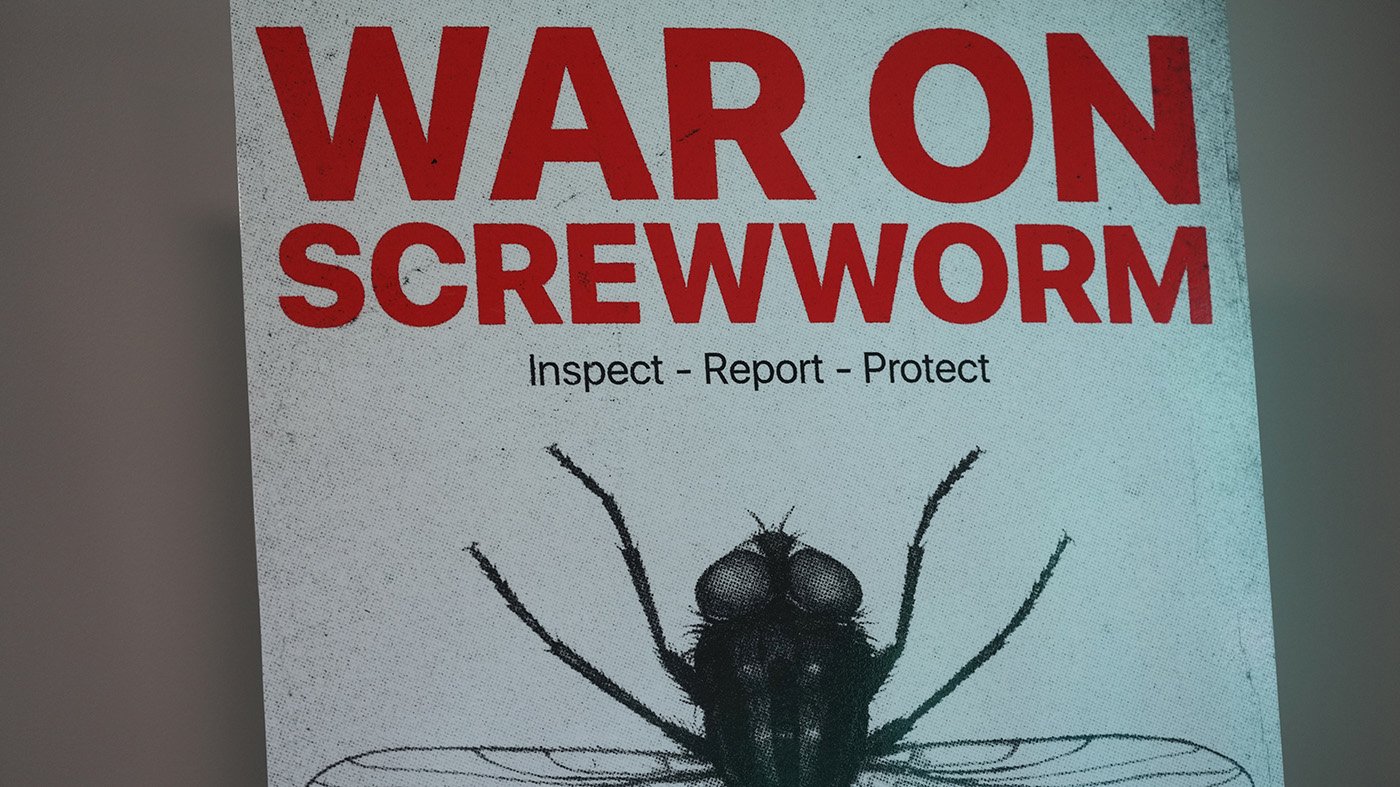
The Trump administration is deploying a familiar political strategy as New World screwworm reemerges in the United States: pointing fingers at former President Joe Biden. Agriculture Secretary Brooke Rollins has publicly attributed the parasitic fly's return to what she calls Biden's "weak foreign policy" and "failed immigration policies," arguing that lax border security allowed the pest to migrate north from Central America.
Rollins told CNBC's Squawk Box on Monday that the screwworm began its northward march under Biden, hitting Mexico in early 2023 and advancing through 2024. She claimed the movement was tied to "open borders policy" and cartel activity. The fly larva, which feeds on living flesh, had been eradicated in the U.S. since the 1960s but is now back, with five confirmed cases: three calves and a goat in Texas, and a dog in Lea County, New Mexico.

However, experts caution that the picture is more complex. The U.S. and international partners had maintained a sterile fly barrier south of Central America for decades, releasing millions of sterile male flies from aircraft to mate with wild females. That barrier, aided by the Darién Gap's rugged terrain, held until 2022, when flies began appearing in Panama. By 2024, they reached Mexico.
Entomologist Maxwell Scott of North Carolina State University noted that the barrier's failure likely stemmed from multiple factors: "It's evidence that there was just an increasing pressure on the border with a large number of cases in Colombia." He also suggested the sterile fly strain may have lost effectiveness over time. Illegal cattle imports and interruptions in sterile fly production also contributed, experts said.
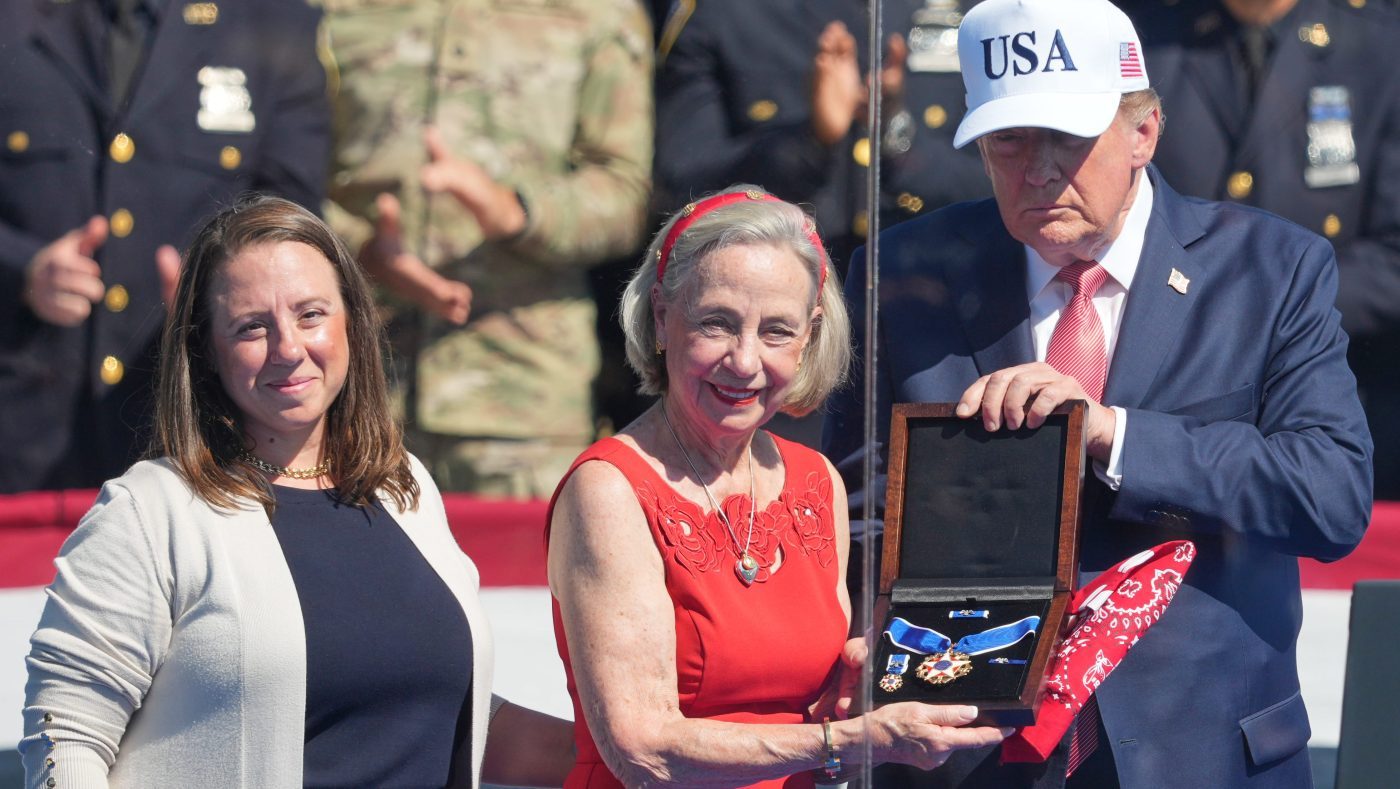
The Trump administration's own actions have drawn scrutiny. In February 2025, President Trump reversed Biden's November 2024 closure of southern ports to live cattle imports, which had been aimed at preventing spread. The ports were closed again in May. Meanwhile, the Department of Government Efficiency (DOGE) cut USDA staff, including in the Animal and Plant Health Inspection Service, and reduced funding for screwworm monitoring programs. Democrats have seized on these cuts.
"Trump's reckless and harmful cuts and his administration's incompetence have left the U.S.'s food supply vulnerable," said DNC Rapid Response Director Kendall Witmer. Representative Shri Thanedar (D-MI) posted on X that Trump "GUTTED funding for screwworm detection and fired 25 percent of workers" monitoring the disease. Rollins countered that staffing reductions had "zero impact" on the screwworm response, claiming the country had been quietly preparing for a year.
Senator Roger Marshall (R-KS) blamed immigrants, telling Newsmax that "millions of people came out of Central America" and brought the screwworm on pets or even on their flesh. But entomologists say the rapid spread—jumps of 50 to 100 miles—indicates human movement of infested animals, not natural migration. "Those are because animals were being put on trucks and moved," said Texas A&M entomologist Sonja Swiger.
As the political blame game intensifies, the cattle industry faces a growing threat. The USDA had closed southern ports to live cattle imports in November 2024, but Trump's reversal in February and subsequent re-closure in May highlight the administration's shifting approach. With cases now on U.S. soil, the question is whether the response will be swift enough to contain the outbreak before it devastates the beef sector.