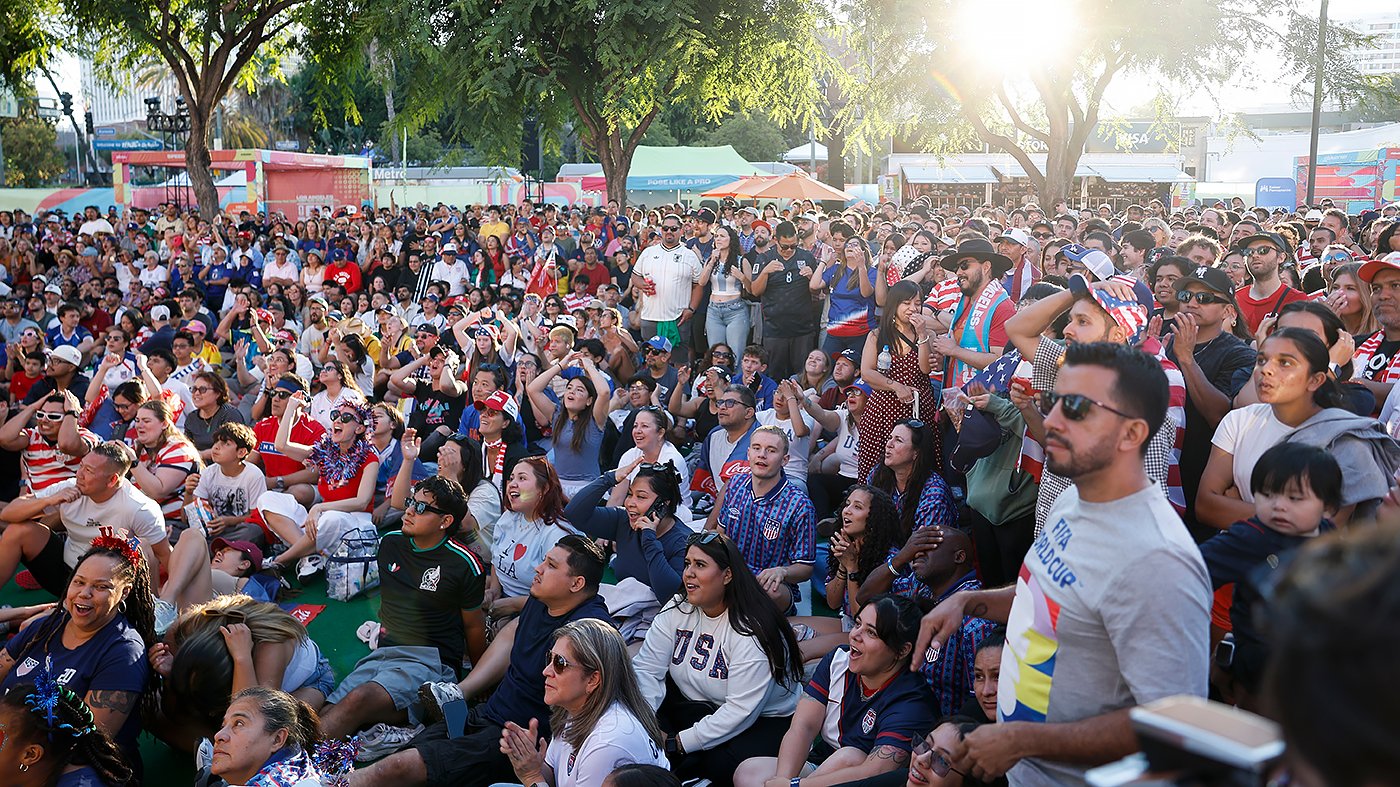
The 2026 FIFA World Cup is delivering a surge of international visitors and spending to host cities like Los Angeles, Miami, and Dallas, where bars are packed and hotels are full. But not every major U.S. city is cashing in. Economists note the full impact will take weeks to measure, but the contrast between hosts and non-hosts is already stark.
Some municipalities withdrew from consideration, citing onerous FIFA requirements and taxpayer costs. Others simply lack stadiums that meet the tournament's strict size and logistics standards. The result: a handful of prominent cities are watching the global spectacle from the sidelines.
Washington, D.C.: Venue Woes Stifle Bid
The nation's capital is busy with preparations for President Trump's America 250 celebrations around July 4, including fencing, stages, and beautification projects. Yet D.C. won't host World Cup matches. The problem is venues: Northwest Stadium, home of the NFL's Commanders in Maryland, has notorious traffic and transit issues, while Audi Field, an MLS venue in Navy Yard, maxes out at 20,000 seats—far below FIFA's threshold.
Plans for a new Commanders stadium on the old RFK site give local soccer fans hope for a future tournament. But for now, the DMV area misses out—a blow for a city that thrives on international events. In a related development, a German fan landed a White House invite after a MAGA envoy stepped in, highlighting the political crosscurrents around the event.
Las Vegas: Field Size Blocks the Goal
Sin City has emerged as a sports powerhouse, with NFL and NHL franchises and MLB's Athletics moving in by 2028. Its T-Mobile Arena hosts UFC and boxing constantly, and sports betting is booming—this World Cup could see $60 billion wagered globally. Yet Allegiant Stadium, home of the Raiders, has a retractable grass tray too narrow for FIFA's pitch and runoff rules, per the Review-Journal.
Vegas fans will have to travel to Los Angeles or San Francisco to catch matches live, or watch at sportsbooks. The city's growth as a sports destination remains strong, but the World Cup is a missed opportunity.
Chicago: Political Calculus Kills Hosting
During the 2002 World Cup in Qatar, Chicago was a hub of massive watch parties. But for 2026, former Mayor Rahm Emanuel pulled the city out, arguing FIFA's proposal gave the federation "all the benefits" while burdening taxpayers. Chicago remains a top-five media market and an MLS success story, and fans are gathering for watch parties this summer.
The Chicago Bears' potential exit from Soldier Field leaves the city's lakefront stadium future uncertain. A future World Cup could fill that void, but for now, the Windy City sits out.
Phoenix and Others: Growing Markets, No Stadium
Phoenix lacks an MLS club but is a fast-growing sports market. State Farm Stadium in Glendale has a retractable roof but fell short of FIFA's standards. Other cities like Nashville, Orlando, and Denver also made the host list, but Phoenix, along with St. Louis and others, missed the cut. The political divisions over sanctuary cities also colored some city debates, though venue issues were paramount.
In total, 16 U.S. cities are hosting matches, but the omissions highlight how venue infrastructure, political will, and FIFA's demands shape the tournament's geography. For cities left out, the economic boost—and the global spotlight—will have to wait.