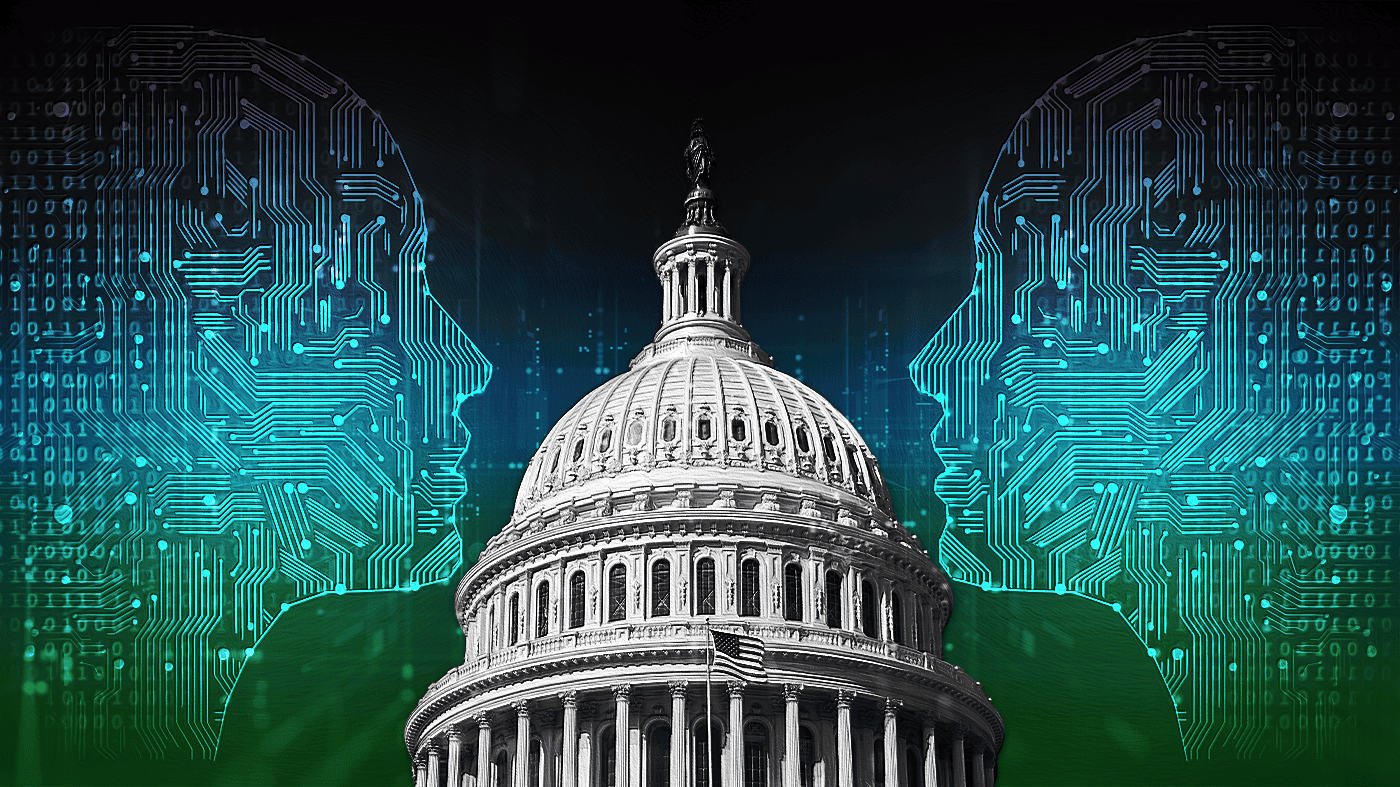
Lawmakers on Capitol Hill are scrambling to respond to the rapid rise of artificial intelligence, with dozens of members entering the fray this week after a wave of dire warnings from researchers and industry insiders. The urgency has thrust a handful of legislators into the spotlight as they push competing visions for how—or whether—to rein in the technology.
While the odds of passing comprehensive AI legislation this year remain slim, these five members are likely to shape the debate for months to come.
Sen. Bernie Sanders (I-Vt.)
Sanders has been one of the earliest and most vocal advocates for strict AI oversight, warning repeatedly about the risks to workers, consumers, and democracy. He has proposed sweeping measures, including a ban on superintelligence and a moratorium on the data centers that power AI training. This week, he accused Congress of being “asleep at the wheel” while a handful of billionaires make decisions that affect the entire world.
Though most Democrats have been reluctant to embrace his full agenda, the recent warnings from a former AI researcher have given his safety-first approach renewed momentum.
Rep. Jay Obernolte (R-Calif.)
Obernolte stands out as one of the few lawmakers with a technical background, holding degrees in engineering and artificial intelligence. He co-chaired the House Task Force on AI and has since introduced several bills, including the bipartisan FRONTIER Act, which would impose risk-management requirements and independent audits on AI firms. He argues that AI regulation should not be a partisan issue and has worked closely with Democrats to craft compromise legislation.
Rep. Lori Trahan (D-Mass.)
Trahan has made AI policy a cornerstone of her agenda, partnering with Obernolte on the FRONTIER Act and a broader framework called the Great American AI Act. That proposal, which would preempt some state laws and boost federal research, has drawn criticism from progressive groups who say it doesn’t go far enough. Trahan acknowledged this week that her colleagues are “scared” and that the public is demanding action.
Sen. Ted Cruz (R-Texas)
Cruz, as the ranking member of the Senate Commerce Committee, will play a pivotal role in determining which AI bills reach the floor. He has been skeptical of heavy-handed regulation, favoring a light-touch approach that prioritizes innovation and American competitiveness. His position makes him a key gatekeeper for any legislation that emerges from the Senate.
Rep. Don Beyer (D-Va.)
Beyer, a co-chair of the House AI Caucus, has focused on the technology’s potential to spread misinformation and disrupt elections. He has introduced bills to require transparency in AI-generated political ads and to study the impact of deepfakes. His expertise on tech issues and his bipartisan relationships make him a central figure in the push for targeted AI safeguards.
As the debate intensifies, these five lawmakers are likely to be at the center of negotiations, balancing safety concerns with the drive to maintain American leadership in AI. For now, the path forward remains uncertain, but their influence is already being felt across Capitol Hill.