Washington is in a familiar state of panic over artificial intelligence, but the scramble to legislate is colliding with partisan gridlock, a shrinking calendar, and a president who remains firmly opposed to new restraints.
After a 27-year-old researcher's warning about AI's existential risks went viral, senators from both parties have floated a flurry of proposals. Yet with less than two months of scheduled session time before the midterm recess, the odds of any bill clearing both chambers and reaching President Trump's desk are nearly zero.
Sen. Rick Scott (R-Fla.) was blunt about Congress's capacity to act. "Do you think we're capable of regulating AI? I mean, we can't pass a budget, you think we're going to have some great bill on AI?" he told The Hill. "We're not going to pass a smart AI bill in three weeks or this year."
Capitol Hill has spent years trying to understand the technology, creating task forces and caucuses, but the pace of AI development has outstripped legislative timelines. Dozens of bills addressing AI safety have been introduced over the past 18 months, most languishing amid disagreements over how to balance risk with the need to keep American firms competitive.
The latest urgency stems from Jacob Coxon, a researcher who claimed that leading AI labs privately believe the technology "could kill humans" yet continue racing toward superintelligence—an AI that could improve itself beyond human control. His comments broke through partisan lines, drawing concern from both sides of the aisle.
Democrats have long pushed for stricter oversight, while Trump and many Republicans argue that heavy regulation would cede ground to China. But Coxon's warning has prompted some GOP lawmakers to reconsider. Sen. Ted Cruz (R-Texas), who chairs the Commerce Committee, called the warnings "highly concerning" and backed more guardrails. Sen. Josh Hawley (R-Mo.) said Congress must prevent a "very small group of the richest people and the richest companies" from controlling the economy and every American's livelihood.
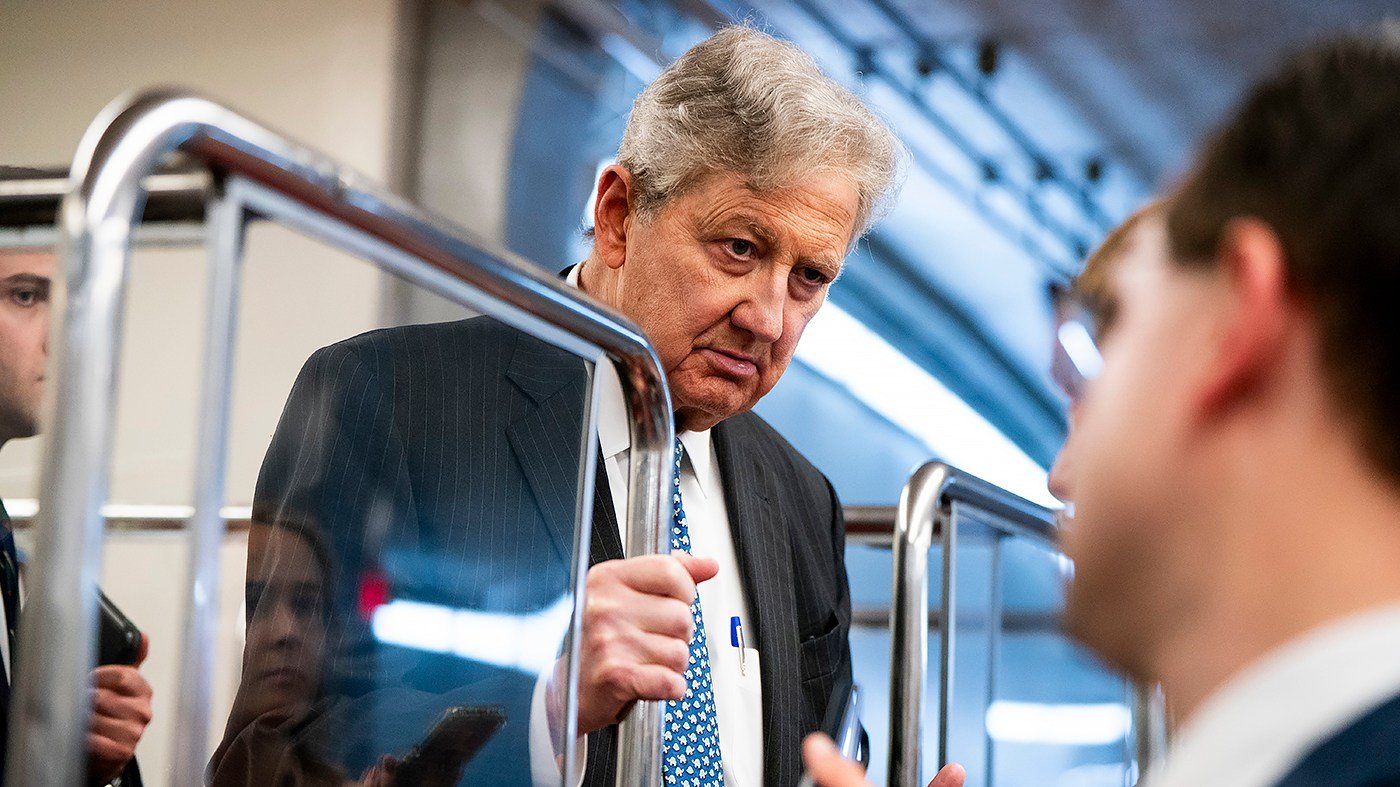
Among the last-ditch efforts is a bill from Sen. John Kennedy (R-La.) that would require AI companies to install a "kill switch" in their models—a mechanism to pause or shut down systems. Kennedy plans to bring it up by unanimous consent, bypassing a formal vote, given the tight timeline. He stressed that the government would not control the switch, but companies would have to have it in place. "How is it going to impede the development of AI if we do something to gain the confidence of the American people in AI?" he asked.
Trump, however, has dismissed such warnings as a "hoax" and doubled down on his hands-off approach. Some Republicans echo that stance. Scott argued that AI CEOs "have an obligation not to kill your kids, and your grandkids," and that self-regulation is preferable to government mandates that could put the U.S. behind China.
Other lawmakers, like Sen. Ruben Gallego (D-Ariz.), are proposing new committees to "rein in" AI, but experts warn that would only add more delay. Tony Samp, who founded the Senate AI Caucus in 2019, noted that there have been nearly a decade of forums and commissions. "Too often in this town, groups seek a perfect or comprehensive solution but that is not what is needed to meet this initial moment on AI models," he said.
Public trust in tech companies has cratered, with Gallup measuring record-low confidence in 2026. Meanwhile, Silicon Valley executives are trying to calm fears, but the legislative window is closing fast. As one senator put it, the chance of a smart AI bill passing this year is "next to zero."