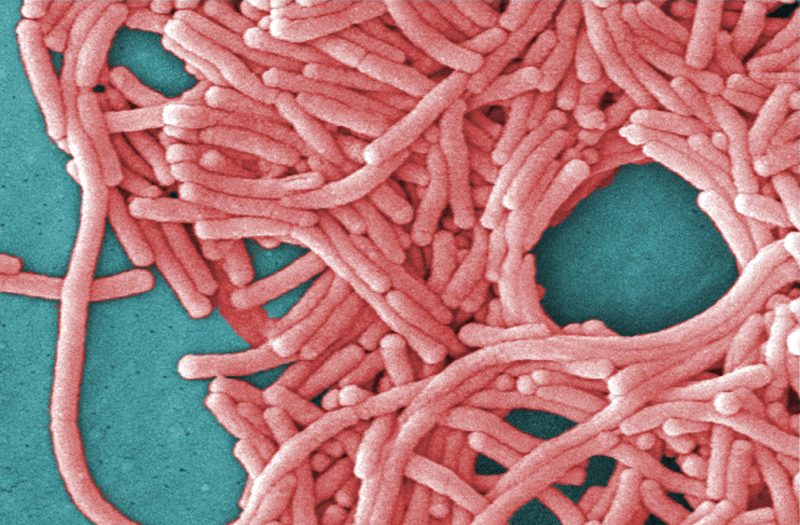
The death toll from New York City's Legionnaires' disease outbreak has risen to five, health officials announced Tuesday evening. The outbreak, concentrated on the Upper East Side, has now sickened 82 people, with eight still hospitalized.
City health authorities confirmed that live Legionella bacteria were detected through culture tests in 34 cooling towers spread across 33 buildings. All affected towers have undergone full cleaning and remediation, according to officials.
Health Commissioner Dr. Alister F. Martin emphasized the rapid response: "We have responded rapidly and aggressively to this Legionnaires' cluster on the Upper East Side. With two confirmed cases, we launched our investigation and directed every building with an initial positive test result to immediately clean and disinfect its cooling tower. These actions have saved lives."
This is the latest escalation in an outbreak that has drawn scrutiny to building maintenance protocols in densely populated urban areas. The city has faced similar challenges before, as seen in previous Legionnaires' clusters that prompted regulatory reviews.
Health Response and Public Safety
The New York City Department of Health has been conducting widespread testing of cooling towers—common sources of Legionella—since the outbreak began. The bacteria thrive in warm water systems, and aerosolized droplets can cause severe pneumonia, especially in older adults and those with weakened immune systems.
Dr. Martin stressed that swift remediation prevented further spread. "These actions have saved lives," he said, pointing to the coordinated effort between city agencies and building owners.
The outbreak has raised broader questions about public health infrastructure, similar to concerns over other infectious disease threats like the cyclospora outbreak linked to tainted lettuce, which also required rapid federal action.
Political and Policy Implications
The ongoing Legionnaires' crisis adds pressure on city and state officials to enforce stricter building codes and regular testing of water systems. Some critics argue that past budget cuts to health departments may have hampered surveillance efforts.
As the outbreak continues, health officials urge anyone with symptoms—fever, cough, shortness of breath—to seek medical attention. The city has set up a hotline for residents with concerns.
This incident mirrors other public health emergencies that have tested governmental response, such as the political backlash over CDC surveillance cuts during the cyclospora outbreak. The intersection of health policy and political accountability remains a persistent theme.
With 82 confirmed cases and five deaths, the outbreak is one of the largest in recent NYC history. Officials continue to monitor the situation and will provide updates as new data emerges.