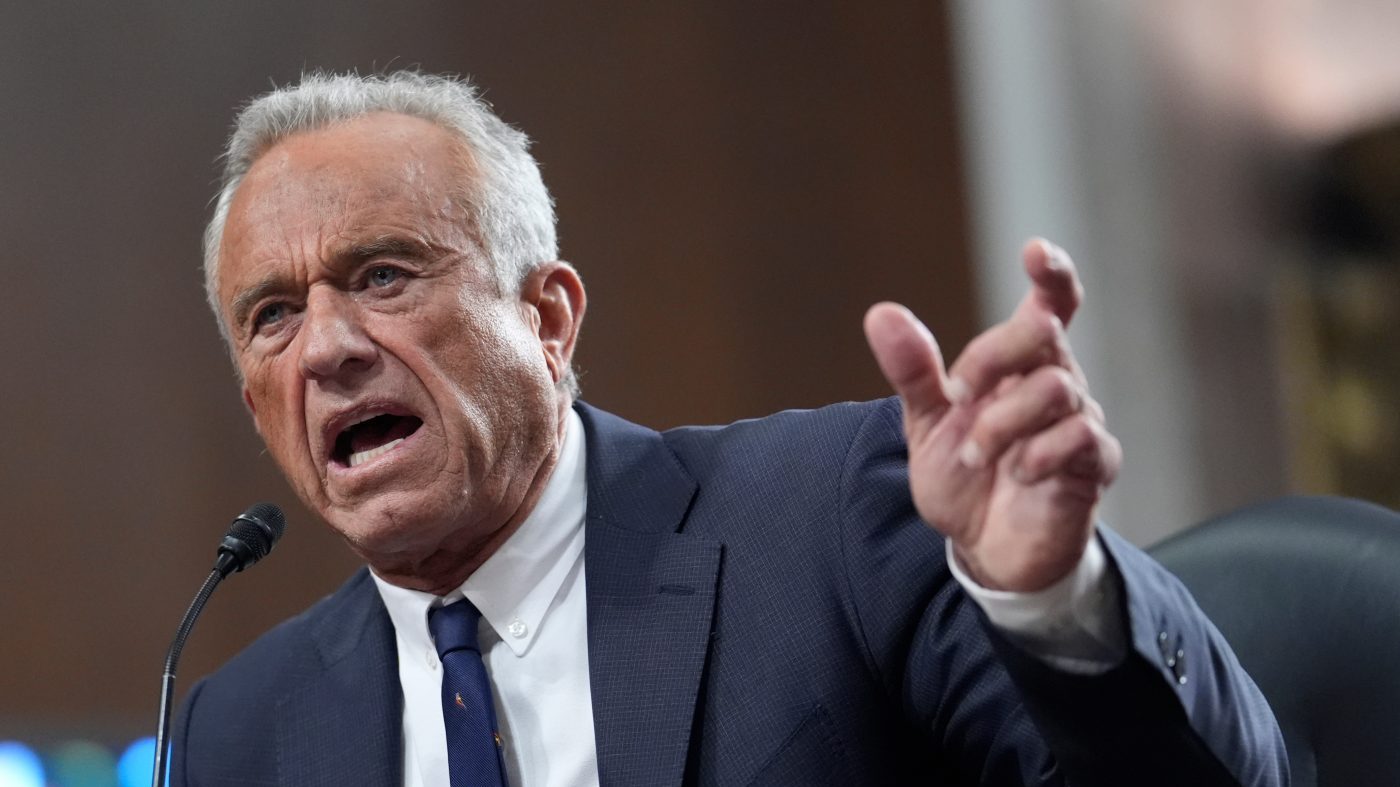
A federal judge in Oregon has delivered a sharp rebuke to Health and Human Services Secretary Robert F. Kennedy Jr., ruling that his attempt to unilaterally restrict gender-affirming medical care for transgender minors violated fundamental administrative procedures. The ruling represents a significant legal setback for the department's controversial push into regulating specific medical treatments.
Judge Cites 'Rule of Law' in Rebuke
U.S. District Judge Mustafa Kasubhai, appointed by President Biden, issued the verbal order following a six-hour hearing. According to reports, the judge criticized Kennedy's approach, stating, "The notion that 'I will go forward and issue a declaration and see if we can get away with it' is not a principle of governance that adheres to the overarching commitment to a democratic republic that requires the rule of law to be regarded and respected and honored as a sacred." The judge also denied the federal government's motion to dismiss the case, with a formal written decision expected to follow.

The case centers on a written declaration Kennedy issued in December, in which he asserted that gender-affirming health care for transgender youth was "neither safe nor effective" and that physicians providing such treatments—including puberty blockers, hormones, and surgeries—would be deemed as failing to meet "professionally recognized standards of health care." The declaration was issued without the standard public notice-and-comment period required for such substantive policy changes.
Coalition of States Challenged Federal Overreach
A coalition of Democratic-led states filed suit approximately one week after Kennedy's declaration, arguing the move was both "arbitrary" and unlawful due to the procedural bypass. The state attorneys general further contended that the authority to regulate medical practice traditionally resides with states, not the federal government. This legal challenge mirrors other disputes over federal authority, such as the recent Supreme Court challenge to a federal GPS mandate for fishing fleets, which also questions the limits of federal regulatory power.
Oregon Attorney General Dan Rayfield hailed the ruling in a statement, saying, "The freedom to make personal healthcare decisions—with your family and your doctor—is a fundamental Oregon value. It's rooted in our belief that every person deserves dignity, compassion, and care. The court saw through the federal government's attempt to bully hospitals and providers into abandoning their patients, and ruled on the side of those values."
Part of Broader Administration Push
The declaration was part of a broader effort by the Trump administration to curtail gender-affirming care for minors. Shortly after issuing it, HHS announced an investigation into Seattle Children's Hospital's treatment practices, threatening to withhold critical Medicare and Medicaid funding—a move critics saw as coercive enforcement of the new, untested policy stance.
This ruling marks the second major legal defeat for Kennedy's HHS in a single week. Earlier, a different judge blocked the department from reducing recommended childhood vaccines and implementing other vaccine policy changes, finding Kennedy likely violated federal law when he abruptly fired and replaced 17 members of a key immunization advisory committee last year. These consecutive losses highlight a pattern of aggressive policy moves meeting stiff legal resistance, similar to the scrutiny facing other cabinet officials over procedural and temperament questions.
The judge's decision underscores the enduring tension between executive action and established administrative law, particularly in politically charged healthcare debates. It reinforces that even cabinet secretaries must follow congressionally mandated procedures when attempting to shift federal policy on complex medical standards. The HHS did not immediately respond to requests for comment on the ruling.
As the legal and political battles over transgender rights continue, this ruling temporarily halts a significant federal effort to restrict care. It ensures that, for now, the status quo for medical providers and families remains protected from the secretary's declaratory policy, pending further legal proceedings and the judge's final written order.