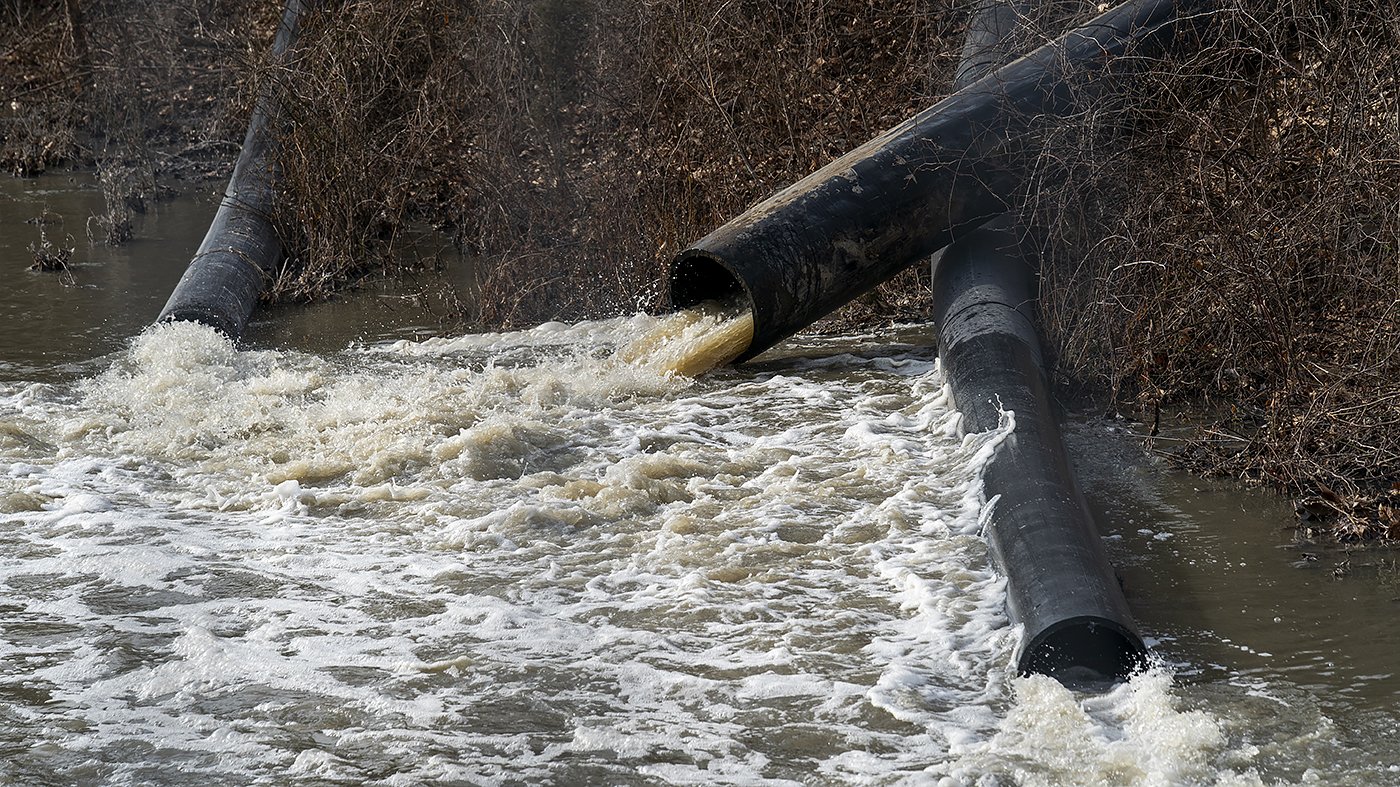
The U.S. Department of Justice and Environmental Protection Agency initiated legal action Monday against the District of Columbia Water and Sewer Authority, targeting what officials describe as the largest wastewater discharge in American history. The civil complaint centers on the catastrophic failure of the Potomac Interceptor sewer line that released over 240 million gallons of raw sewage into the Potomac River earlier this year.
Infrastructure Failure and Legal Allegations
The collapse occurred January 19 along the Clara Barton Parkway, affecting wastewater systems serving Washington, D.C., and multiple Maryland and Virginia counties. Federal prosecutors allege DC Water violated the Clean Water Act by failing to properly maintain critical infrastructure, allowing untreated sewage to enter waterways where public exposure was likely.
"DC Water's failure to maintain the Potomac Interceptor resulted in raw sewage flowing into the Potomac River and the surrounding environment, posing a direct risk to public health," stated Principal Deputy Assistant Attorney General Adam Gustafson. "This complaint seeks to secure DC Water's commitment to properly maintain its foundational sewage infrastructure."
Remediation Demands and Utility Response
The Justice Department will pursue financial penalties alongside requirements for comprehensive sewer system assessment, rehabilitation projects, and environmental mitigation work. This federal action comes as public confidence in environmental protections reaches historic lows, according to recent polling.
DC Water responded that it remains "fully committed to the long-term rehabilitation of the Potomac Interceptor" and emphasized its emergency response efforts. The utility noted that crews contained most overflow within five days, stopped all discharges within three weeks, and completed repairs in 55 days. However, the organization acknowledged that planned rehabilitation of the entire 54-mile pipeline requires coordination with the National Park Service, which controls the federal land involved.
Maryland Joins Legal Battle
Maryland Attorney General Anthony Brown filed separate litigation in Montgomery County Circuit Court, seeking penalties up to $10,000 daily per violation plus damages for cleanup costs. "Millions of gallons of raw sewage in the Potomac River does not just disappear, it damages ecosystems and harms communities, and it demands accountability," Brown declared.
The legal actions highlight growing tensions between state and federal environmental enforcement mechanisms, occurring alongside broader debates about regulatory authority and judicial oversight within the federal system.
Political Recriminations Escalate
The environmental disaster has sparked partisan finger-pointing, with former President Donald Trump blaming Democratic leadership, specifically Maryland Governor Wes Moore. Trump characterized the incident as a "massive Ecological Disaster" attributable to state officials.
Moore's administration countered that federal responsibility extends to the Potomac Interceptor, with spokesperson Ammar Moussa noting the EPA's absence from recent legislative hearings about cleanup efforts. "Apparently the Trump administration hadn't gotten the memo that they're actually supposed to be in charge here," Moussa stated.
This political conflict over infrastructure responsibility emerges as concerns about federal agency capacity and funding reach critical levels across multiple departments.
DC Water's cleanup proposal includes requests for expedited environmental reviews to accelerate pipeline rehabilitation. The utility maintains that from the initial collapse, its priority was "to safely and quickly contain the overflow and repair the damaged section," implementing emergency bypass systems that ultimately prevented further contamination.