Justice Calls for Judicial Restraint Amid Rising 'Shadow Docket' Use
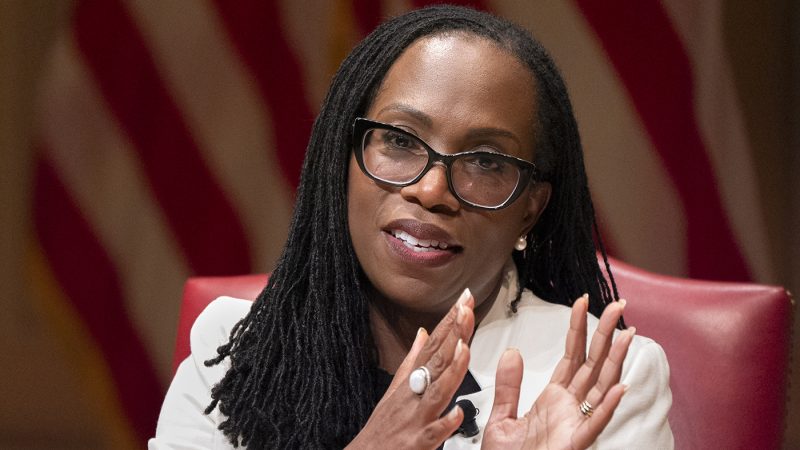
Supreme Court Justice Ketanji Brown Jackson has issued a pointed critique of the court's expanding emergency docket, warning that its frequent interventions in politically charged cases risk eroding public confidence in the judiciary. In a lecture at Yale Law School this week, the court's junior liberal justice described the trend as having a "potentially corrosive" effect and positioned herself as a potential "catalyst for change."
A Return to Judicial Restraint
Jackson argued the court should avoid "continually touching the third rail of every divisive policy issue in American life" and return to principles of judicial restraint. "Ultimately, the justices need to return to acting like the final court of review that the Supreme Court holds itself out to be," she stated. "This is not a novel concept. Our predecessors called it judicial restraint. We don't hear about that much anymore. I think it's time to bring it back."
The justice's remarks reflect her growing pattern of public dissent against what critics call the "shadow docket"—emergency orders issued without full briefing or oral arguments. While historically used for matters like last-minute death penalty stays, this mechanism has increasingly been deployed to resolve disputes over presidential policies and contentious social issues.
Trump Administration's Aggressive Use
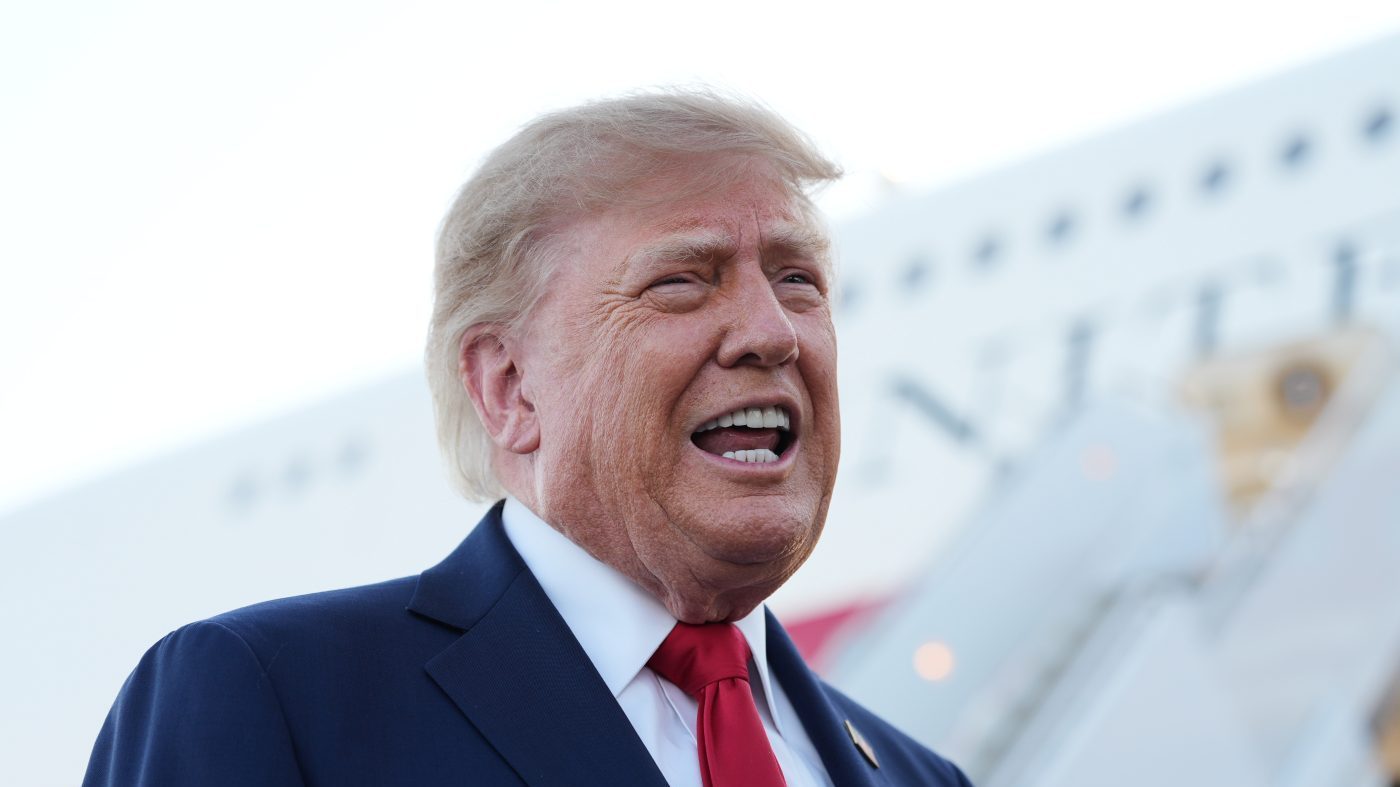
Jackson specifically highlighted the Trump administration's reliance on emergency applications, noting it has already filed nearly three dozen such requests—surpassing the total filed during President Biden's entire term. The court has frequently intervened in Trump's favor over Jackson's dissent, particularly regarding policies blocked by lower courts while legal challenges proceed.
This dynamic reflects broader tensions over executive power and judicial authority. The Trump administration contends district judges have overstepped, forcing emergency appeals, while critics argue the requests stem from presidential actions exceeding legal authority. The court's interventions occur amid broader tensions between former President Trump and the judiciary, including his public criticisms of justices he appointed.
Calls for Transparency and Humility
Jackson further criticized her colleagues for issuing many emergency rulings without explanation, calling one-sentence decisions that can seem "utterly irrational" to the public. "Issuing important decisions in such a cursory manner disrespects not only the people whose lives are upended by its rulings, but also the public that has given it trust and authority," she argued.
Some conservative justices, including Brett Kavanaugh, have defended limited explanations, warning that detailed reasoning might reveal too much preliminary thinking and create a "lock-in" effect. Jackson countered that the court needs "some humility" and should "patiently await our turn to exercise our discretion, as respect for the judicial process requires."
Her critique arrives as the court faces mounting scrutiny over its emergency procedures and their impact on lower courts. Recent appellate court actions blocking investigations into Trump-era policies demonstrate how judicial interventions can shape ongoing political and legal battles.
While Jackson acknowledged she doesn't "pretend to have all the answers," her public stance signals an intent to reshape internal court norms. Her comments underscore deepening divisions over the court's role during a period of intense political polarization, with its emergency powers becoming a focal point for debates about judicial legitimacy and restraint.