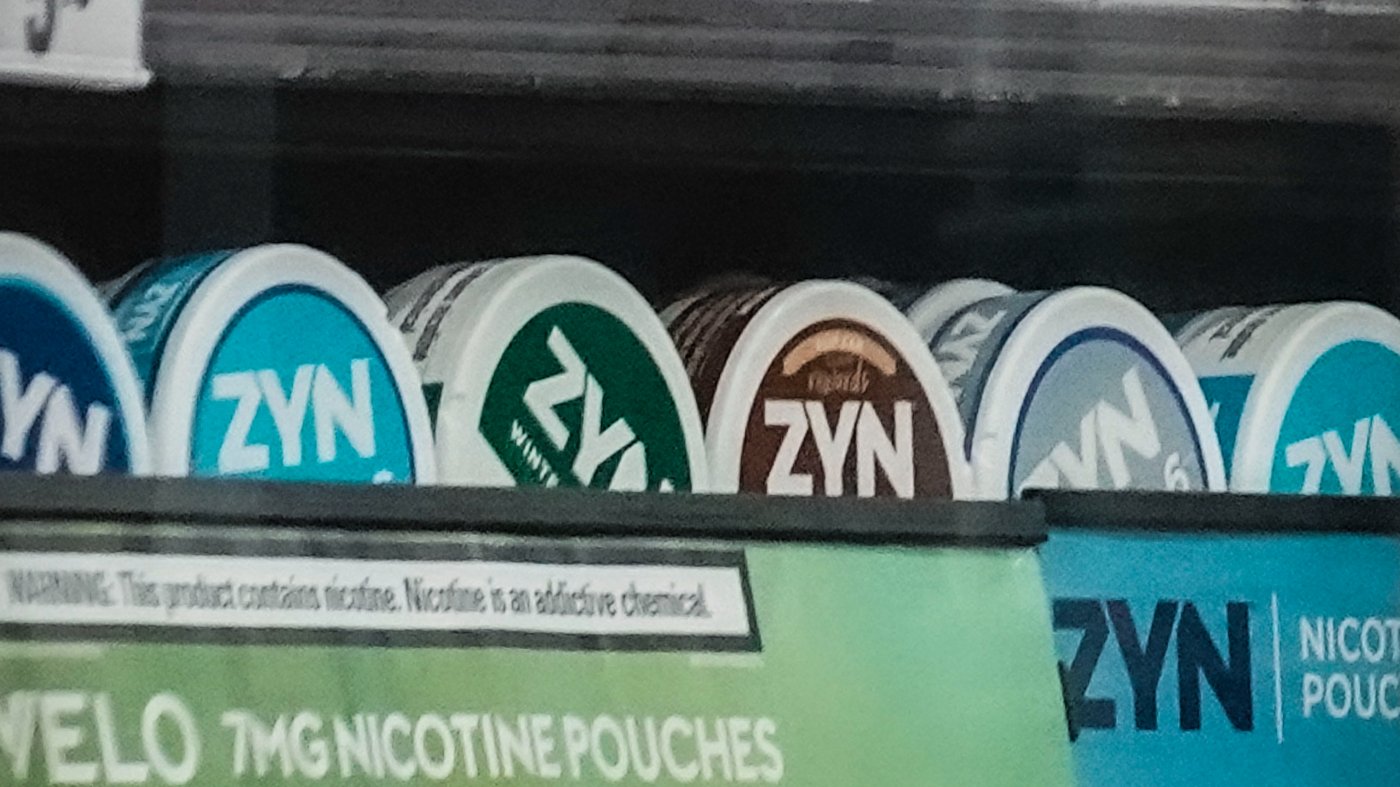
In a landmark decision, the Food and Drug Administration (FDA) on Tuesday authorized Zyn nicotine pouches to be marketed as less harmful than traditional cigarettes, marking the first time a nicotine pouch has received such a modified risk claim. The move, which covers ten flavors in two nicotine strengths, is a significant win for tobacco giant Philip Morris International (PMI) and its subsidiary Swedish Match, the Stockholm-based manufacturer of Zyn.
The FDA’s approval allows Zyn products—already on the U.S. market since January 2025—to carry the claim that “using ZYN instead of cigarettes puts you at a lower risk of mouth cancer, heart disease, lung cancer, stroke, emphysema, and chronic bronchitis.” The authorized flavors include Zyn Chill, Cinnamon, Citrus, Coffee, Cool Mint, Menthol, Peppermint, Smooth, Spearmint, and Wintergreen, available in 3-milligram and 6-milligram nicotine strengths.

Bret Koplow, acting director of the FDA’s Center for Tobacco Products, said in a statement that the agency’s review of modified risk products aims to provide adult users with “clear, science-based information about the relative harms of tobacco products, so they can make informed choices.” He added that the decision allows these products to be marketed with claims that inform adult smokers about lower risks.
The approval comes as the Trump administration has loosened restrictions on nicotine products, reflecting a broader shift in tobacco policy. Zyn, which contains nicotine but no tobacco, has surged in popularity among conservatives, particularly within former President Donald Trump’s orbit. Former Fox News host Tucker Carlson helped popularize the brand among right-leaning audiences before later launching his own nicotine pouch brand, Alp.
Health advocacy groups, however, have voiced strong opposition. The American Lung Association cited data from the National Youth Tobacco Survey showing Zyn is the most popular nicotine pouch brand among youth, with over 90% of young tobacco users consuming flavored products. According to the survey, 1.7% of youth respondents reported using pouches.
“Nicotine pouches are not approved to help people quit smoking and these flavored products are already being taken up by youth at increasing rates,” said Mike Seilback, an assistant vice president at the American Lung Association. He called the FDA’s authorization of flavors like citrus, cool mint, and cinnamon “appalling” and urged the agency to reverse its decision, warning that these products attract children and risk a lifelong addiction to nicotine.
The FDA maintains that Zyn products are not approved as smoking cessation aids and emphasizes that no tobacco product is safe. The agency’s 2025 marketing authorization was based on evidence that Zyn could help adult smokers reduce or quit cigarettes, but critics argue that the flavored pouches pose a new public health threat.
Meanwhile, the broader regulatory landscape is evolving. The NIH’s new office to phase out animal testing and Schiff’s bill requiring human control over Pentagon AI weapons highlight ongoing debates over science and ethics in federal policy. As the FDA navigates these tensions, the Zyn decision underscores the delicate balance between harm reduction for smokers and preventing youth nicotine initiation.
With Zyn now officially positioned as a less harmful alternative, the battle over tobacco regulation—and its impact on public health—shows no signs of cooling down.