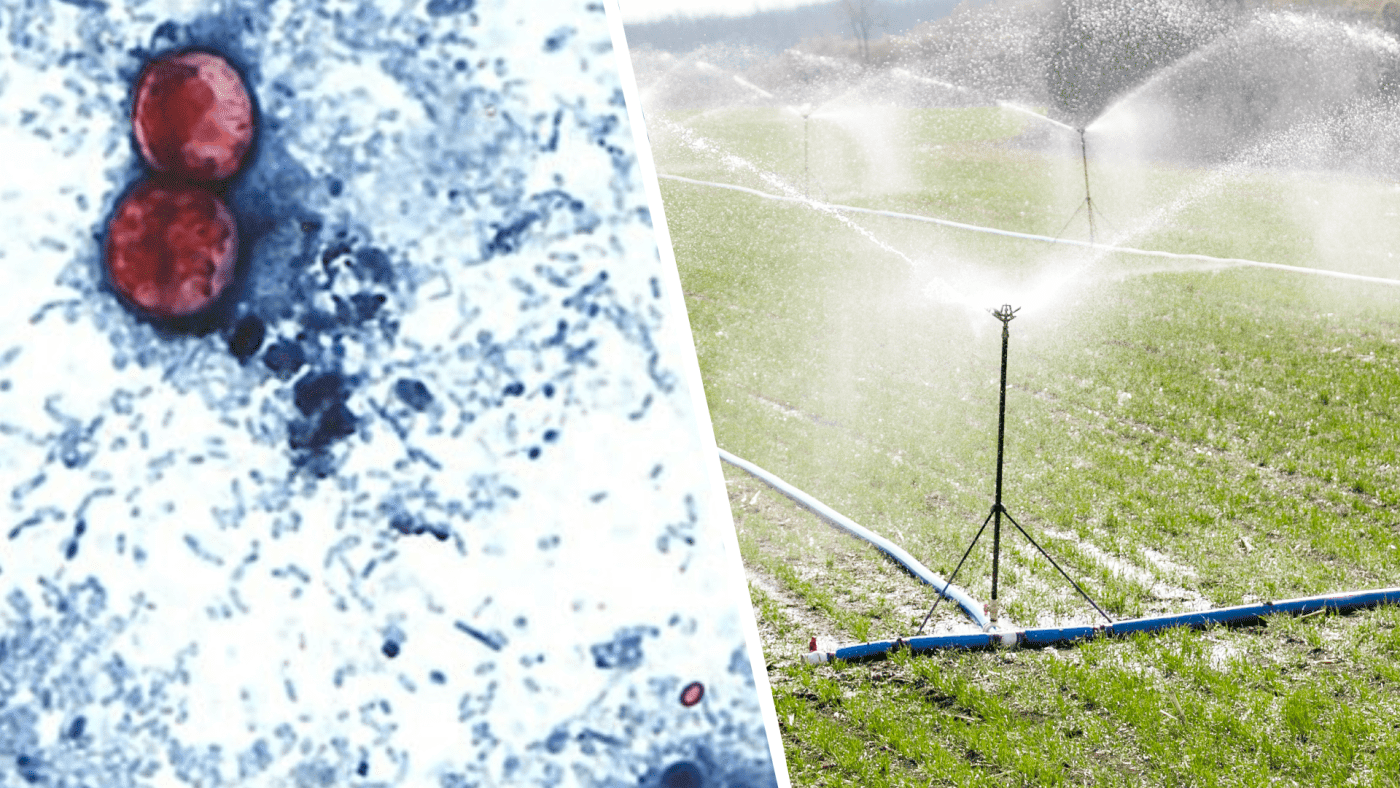
The Centers for Disease Control and Prevention (CDC) has recorded 13,895 laboratory-confirmed cases of cyclosporiasis, a parasitic intestinal illness that causes severe diarrhea, since May 1. An additional 10,455 cases are still under review, according to the agency.
For context, the U.S. saw only 1,180 cases between May 1 and August 31 of last year. The current outbreak has been traced to contaminated iceberg lettuce from central Mexico, marking another instance of foodborne illness crossing borders.

Cyclosporiasis occurs when a person ingests food or water contaminated with human feces. The parasite, Cyclospora cayetanensis, is not common in the U.S. but can be introduced through imported produce.
Why the numbers may be higher
Health officials acknowledge that the actual number of infections is likely higher than reported. The CDC notes that state health departments may report higher case counts because they include cases that do not meet the agency's formal reporting criteria. This discrepancy can lead to confusion about the outbreak's true scale.
Additionally, many people with symptoms may not seek medical care, especially if their illness is mild or they recover on their own. This underreporting further skews the data, making it difficult for public health officials to gauge the full impact.
Symptoms and challenges in tracking
Symptoms of cyclosporiasis include frequent watery diarrhea, bloating, gas, loss of appetite, fatigue, painful stomach cramps, nausea, and a lack of desire to eat. These can appear two days to two weeks after exposure, and they may fade and then return, complicating diagnosis and reporting.
The CDC's tracking relies on laboratory confirmation, which requires specific testing that is not always performed. Clinicians may not consider cyclosporiasis in patients with diarrhea unless they have a travel history or are part of an outbreak investigation.
Political and regulatory response
The outbreak has drawn attention from lawmakers. Senator Elizabeth Warren has demanded answers from the Trump administration regarding donations and the cyclosporiasis response, highlighting the political stakes of food safety failures. Meanwhile, the FDA has declared the lettuce cleared as the outbreak toll surpasses 13,000, but the incident echoes historic foodborne crises that have reshaped regulations.
Produce growers and importers face increased scrutiny as investigations continue. The Taylor Farms recall, which involved both cyclospora and salmonella, underscores the vulnerability of the food supply chain. Similar outbreaks have led to calls for stronger oversight and faster traceability systems.
As the CDC works to refine its data, the public is advised to practice good hygiene and thoroughly wash produce. For now, the true number of cyclosporiasis cases remains elusive, a reminder of the challenges in tracking foodborne illnesses in a globalized food system.