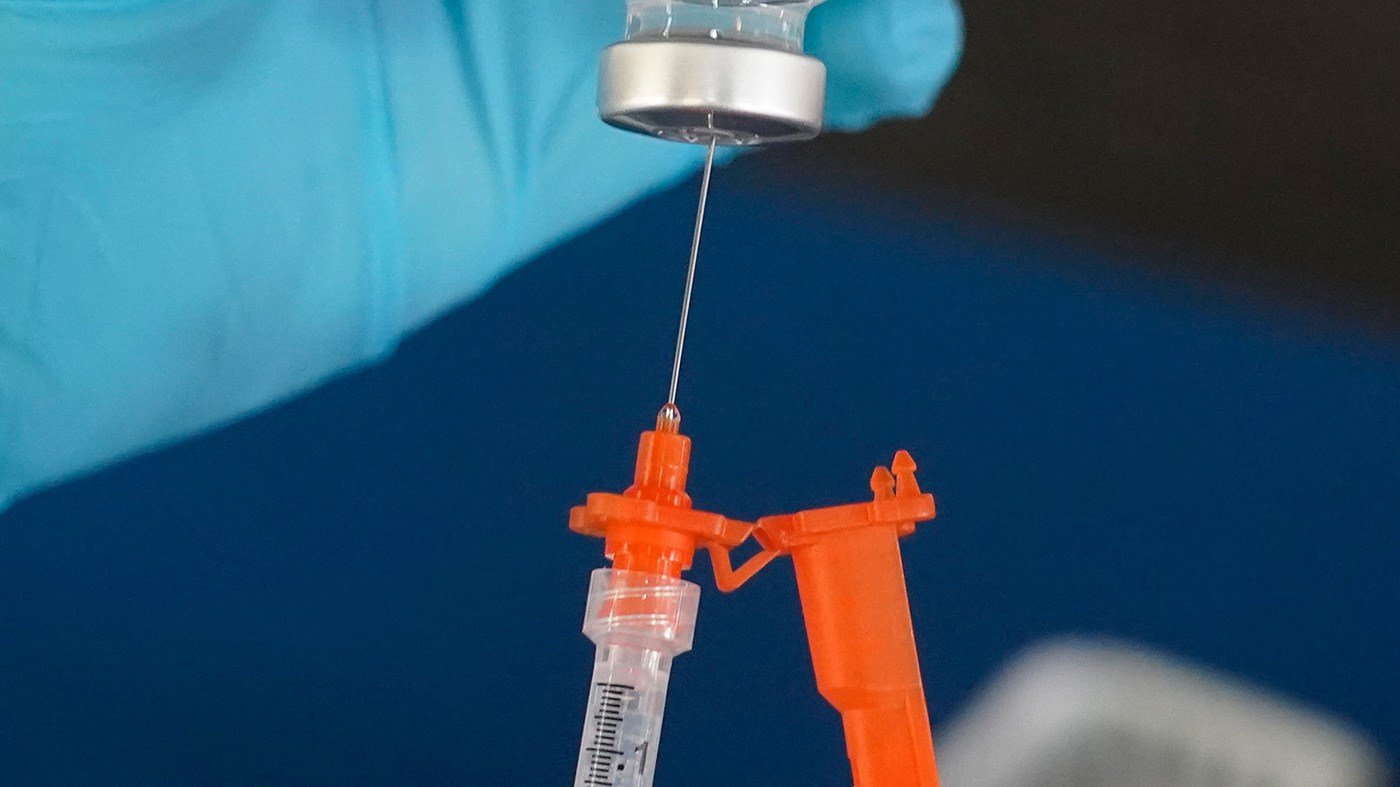
The Food and Drug Administration on Thursday gave the green light to reformulated COVID-19 vaccines, a move that allows manufacturers to begin distributing the shots to pharmacies and doctors' offices. The approvals cover updated mRNA vaccines from Pfizer-BioNTech and Moderna, as well as a protein-based shot from Sanofi, which was originally licensed from Novavax.
The new formulations are designed to better match the virus strains currently circulating. Company officials said the shots will be available within days. According to CDC data from August 19, coronavirus infections are increasing or likely growing in 47 states, though overall spread remains low.
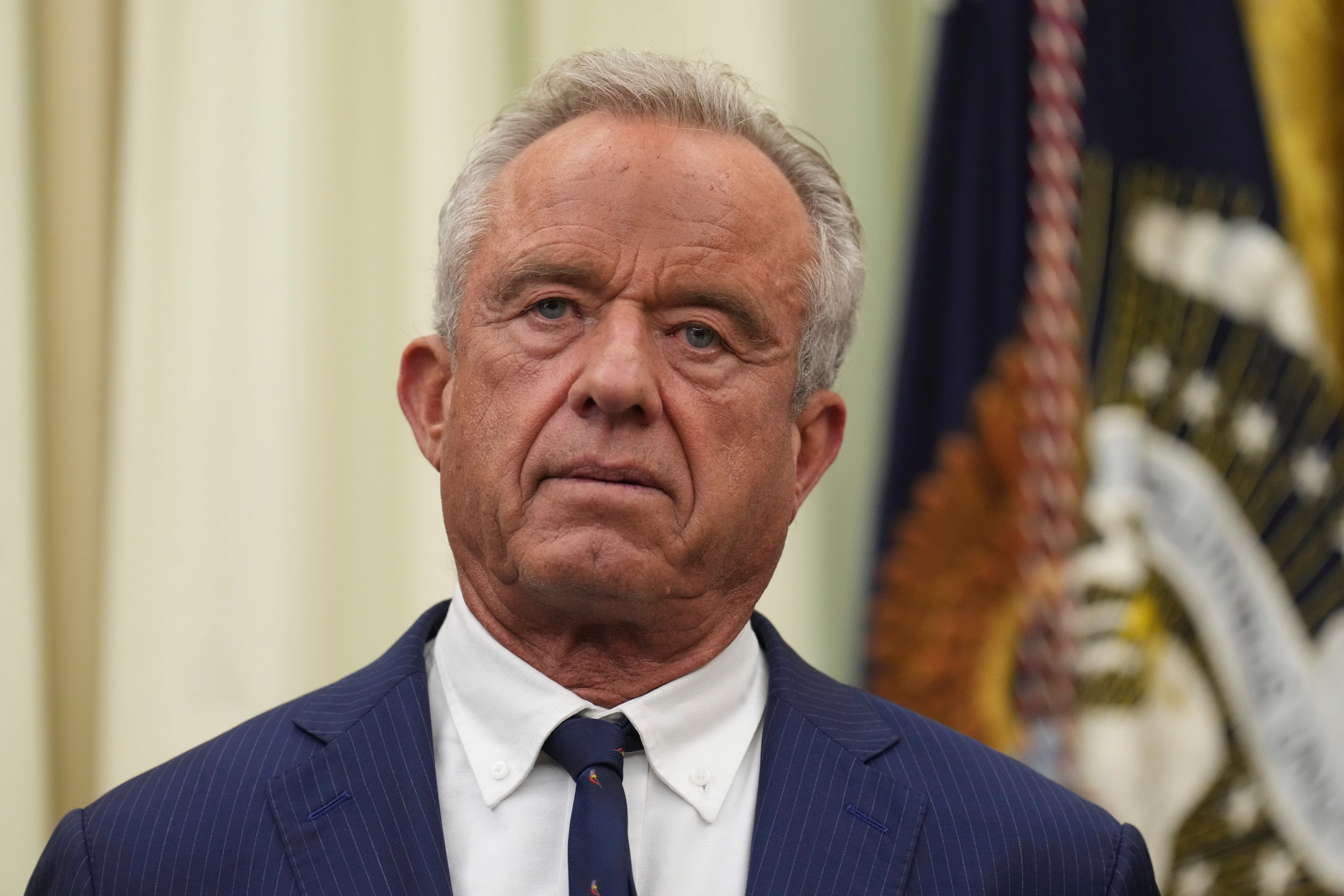
However, questions about access and affordability persist. Normally, the CDC's Advisory Committee on Immunization Practices (ACIP) would recommend who should receive the vaccine, and insurers are typically required to cover those recommended shots. But a federal court invalidated the appointments of all new ACIP members made by Health Secretary Robert F. Kennedy Jr., leaving the panel in legal limbo. Without an ACIP recommendation, insurers are not legally obligated to cover the vaccine, potentially creating cost barriers.
"The legal uncertainty around ACIP could leave many Americans without guaranteed coverage," said a health policy expert familiar with the situation. "This is a significant concern, especially for those at higher risk."
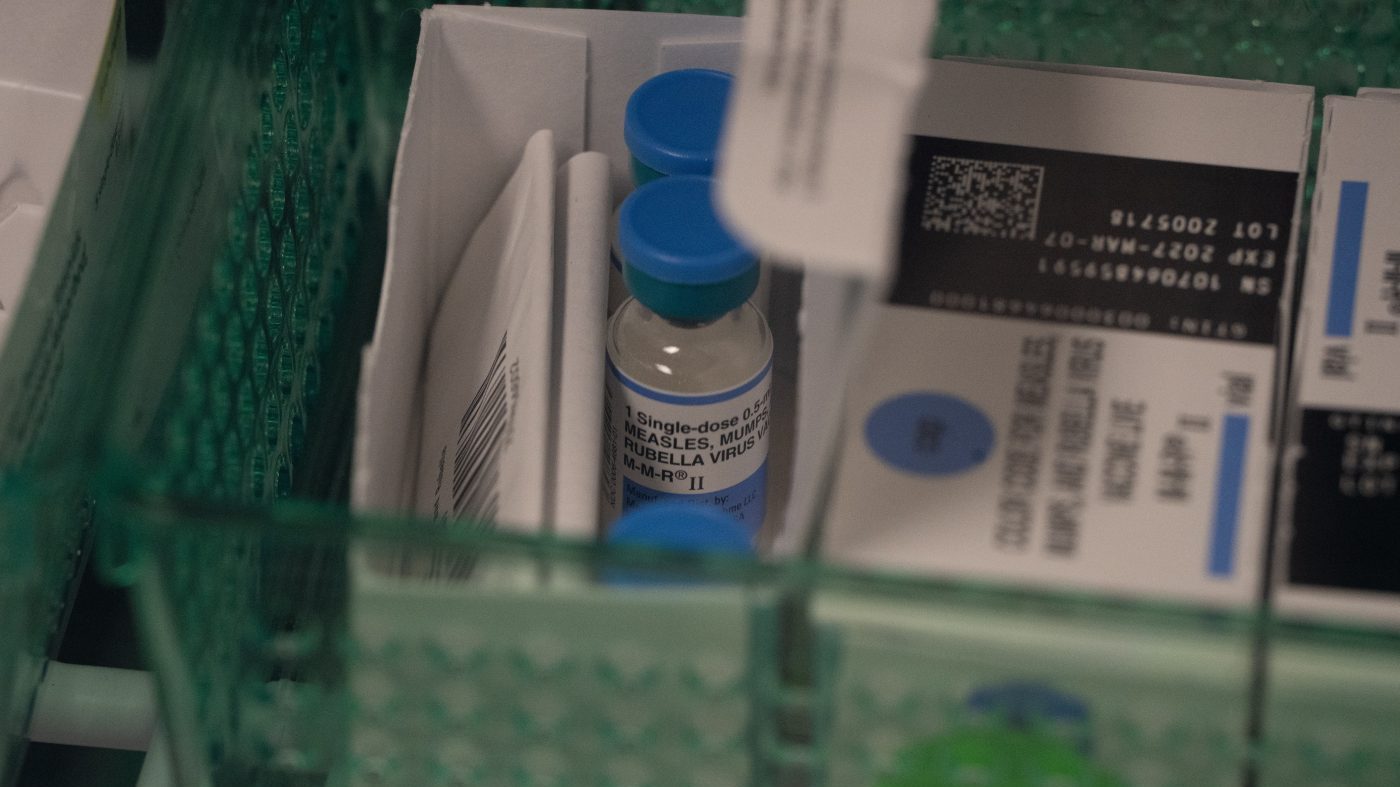
Similar to last season, the vaccines are approved for people aged 65 and older, as well as younger individuals with at least one underlying health condition. The Moderna shot is authorized for ages 6 months and older; Pfizer's for ages 5 and older; and Sanofi's for ages 12 and older.
The approvals come amid ongoing political scrutiny of COVID-19 policies. Kennedy has clashed with critics over his COVID claims, and Republican lawmakers have released texts from Dr. Anthony Fauci regarding vaccine risks. The legal challenge to ACIP appointments is part of a broader push for accountability from some lawmakers.
For now, the FDA's approval clears the immediate hurdle, but the path to widespread vaccination may be complicated by insurance coverage gaps and lingering public hesitancy. As the virus continues to evolve, health officials urge eligible individuals to consider the updated shots once they are available.