Recent violent incidents in public spaces—a stabbing spree at Manhattan’s Penn Station, a shooting near the White House, slashings at Grand Central Station, and a fatal stabbing on a North Carolina train—share a grim common thread: each involved a person with a documented criminal history and untreated mental illness. These attacks fuel public fear, but the reflexive demand to “lock them up” misses the real solution, argues Cassandra Ramdath, a faculty research scholar at Yale Law School and research director at the Justice Collaboratory.
Ramdath contends that the criminal justice system’s decades-long focus on punishment over prevention has failed. The U.S. spends about $445 billion annually on punitive measures that are ineffective at reducing violence, she writes in a recent analysis. Instead, she calls for evidence-based community reinvestment: accessible mental health clinics, mobile crisis response teams, and stable housing to intervene before a crisis escalates. “If you want change, you should be asking: ‘Why didn’t they get help?’” she said.

The pattern is clear: deinstitutionalization in the 1970s and 1980s shuttered psychiatric facilities without building a community-based mental health infrastructure. Jails filled the void. Nearly 15 million Americans suffer from severe mental illness, yet psychiatric bed availability in some states is just 5 per 100,000 people—far below the recommended 50. By 2010, an estimated 378,000 incarcerated individuals had severe mental illness, making prisons de facto psychiatric wards.
The pandemic deepened the crisis. Job loss, housing instability, and isolation overwhelmed already strained treatment systems, creating a cycle where individuals bounce between emergency rooms, courtrooms, and jails—each stop worsening their condition. Ramdath notes that over 95% of incarcerated people are eventually released, often more symptomatic and isolated than before. “Longer sentences do not improve safety because locking people up does nothing about the conditions that produce crime,” she wrote.
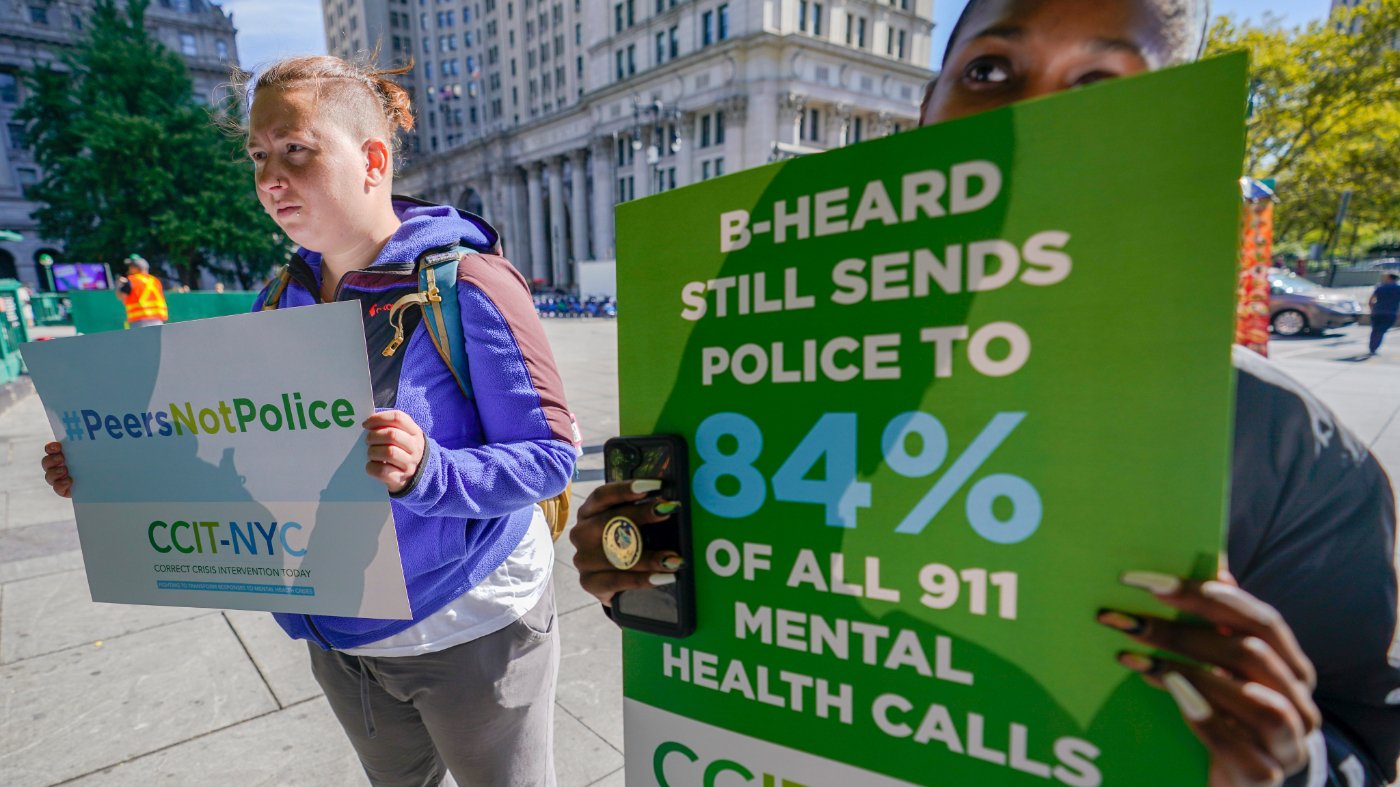
Ramdath’s proposed solutions are not “soft on crime.” They target root causes: community mental health clinics with affordable care, mobile crisis teams that reach people before they escalate, and stable housing—since recovery is impossible without a place to live. Continuity of care is essential to break the revolving door between hospital, street, and jail. These strategies, she argues, are grounded in evidence, not political agendas or media-driven fear.
The federal government, however, is reverting to failed tactics like increasing police presence in schools—which feeds the school-to-prison pipeline and makes students feel less safe—while cutting scientific research on what actually works. Ramdath calls for a shift in political will. “The evidence is there. The political will is not,” she said. “It is time to ask the harder question before we have the same conversation after the next attack.”
This approach does not dismiss public safety concerns. Subway riders and community members deserve to feel safe. But true safety, Ramdath insists, requires addressing the untreated mental health crisis that precedes every arrest, release, and tragedy. Policy must prioritize prevention over punishment—a message that resonates amid growing affordability and trust crises in American institutions.