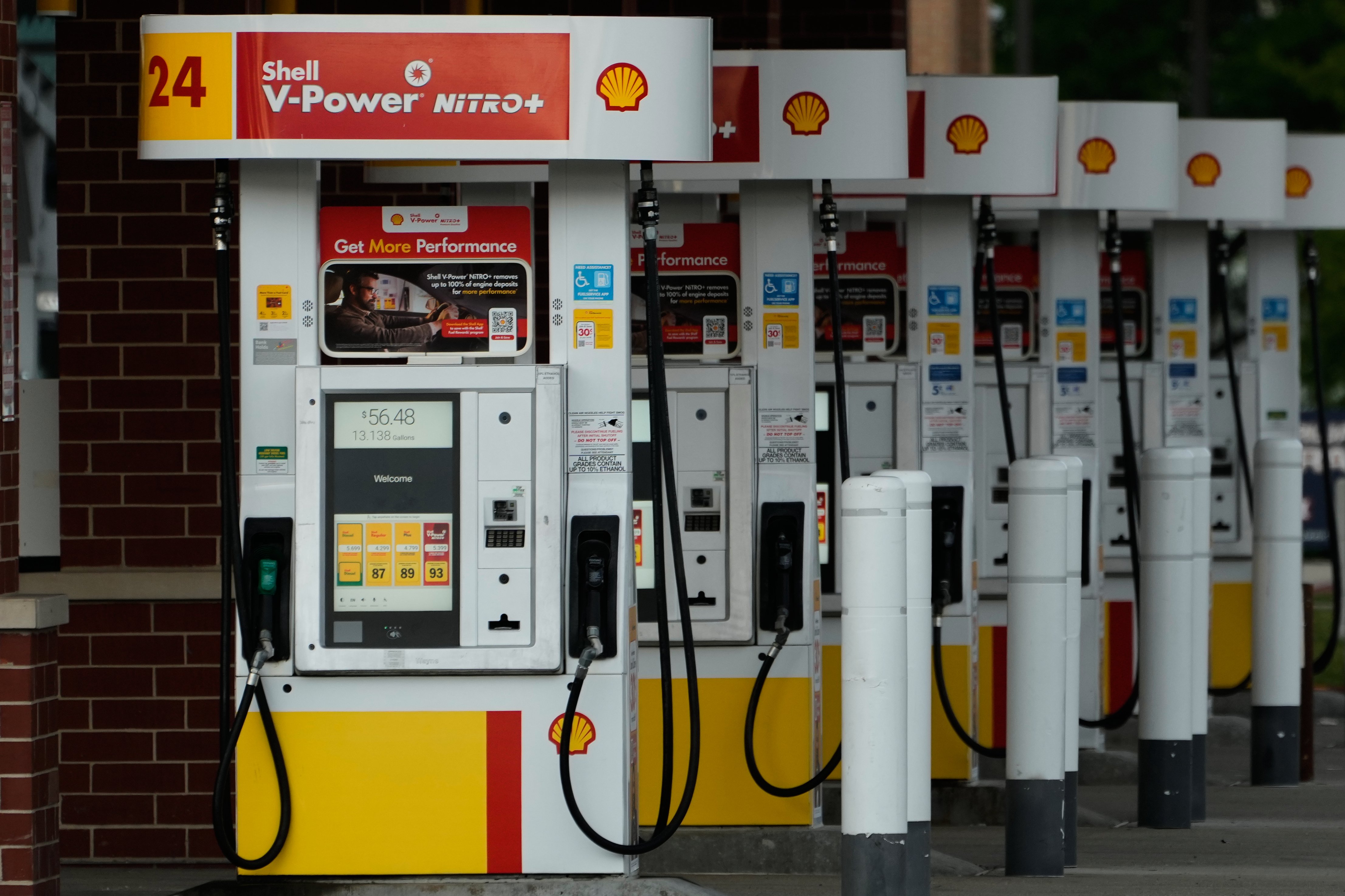
Boaters across the country may be unknowingly fueling their vessels with a blend of gasoline that can cause serious damage, and as the Environmental Protection Agency (EPA) expands summertime sales of E15, the risk is growing. One boater's costly mistake illustrates the danger: filling up with E15, a fuel containing up to 15 percent ethanol, can harm marine engines, which are designed to run on blends with no more than 10 percent ethanol. The result can be fuel system corrosion, performance issues, safety hazards, and voided warranties.
The EPA recently issued a temporary waiver permitting summer sales of E15, citing fuel supply and consumer cost concerns. This decision coincides with peak boating season, when millions of Americans fuel their trailered boats at roadside gas stations. While E15 is approved for many cars and trucks, it is not suitable for boats, and the current labeling is often inadequate.

David Kennedy, Government Affairs Manager at BoatU.S., the nation's largest recreational boating advocacy group, argues that the waiver without stronger safeguards is a policy failure. "At a minimum, we need clear, highly visible pump labels with standardized language that says plainly: 'E15 is not for boats,'" Kennedy said, emphasizing that current warnings are too easy to miss and too vague to be effective.
The issue extends beyond labeling. The Renewable Fuel Standard (RFS) mandates a minimum volume of renewable fuel in the nation's gasoline supply, which has already reduced the availability of ethanol-free fuel. The EPA's proposal to apply RFS requirements nationwide would further limit consumer choice, making it harder for boaters to find compatible E10 or ethanol-free gasoline. "Expanding E15 availability without preserving access to compatible fuels risks further limiting access," Kennedy noted.
Beyond the mechanical risks, E15's higher ethanol content causes it to evaporate more quickly than E10, especially in hot weather. This leads to increased evaporative emissions, which can pose additional safety risks for boaters and contribute to air pollution.
Consumer awareness is alarmingly low. A 2020 survey commissioned by the National Marine Manufacturers Association found that only 18.25 percent of consumers considered the current E15 label "very effective" at warning that the fuel can be hazardous to certain engines. With more than four out of five consumers not strongly convinced the warning works, the system is clearly failing.
Kennedy urges the EPA and Congress to implement stronger safeguards before E15 becomes more widespread. He calls for standardized, highly visible pump labels and robust consumer education campaigns. Additionally, he stresses the need for policies that preserve access to E10 and ethanol-free fuel, ensuring boaters have safe, compatible options.
"Boaters should not have to decode fuel marketing terms or hunt for fine print to protect their engines," Kennedy said. "The EPA has an opportunity to pursue renewable fuel goals without limiting consumer choice."
Kennedy also points to EPA Administrator Lee Zeldin's background representing New York's 3rd State Senate District and 1st Congressional District, areas with vibrant boating communities. He urges Zeldin to act on behalf of these constituents and all boaters nationwide, implementing safeguards and clear warning labels at gas pumps.
As the Senate races to clear its agenda before August recess, lawmakers have a chance to address this issue. With the boating season in full swing, the time for action is now.