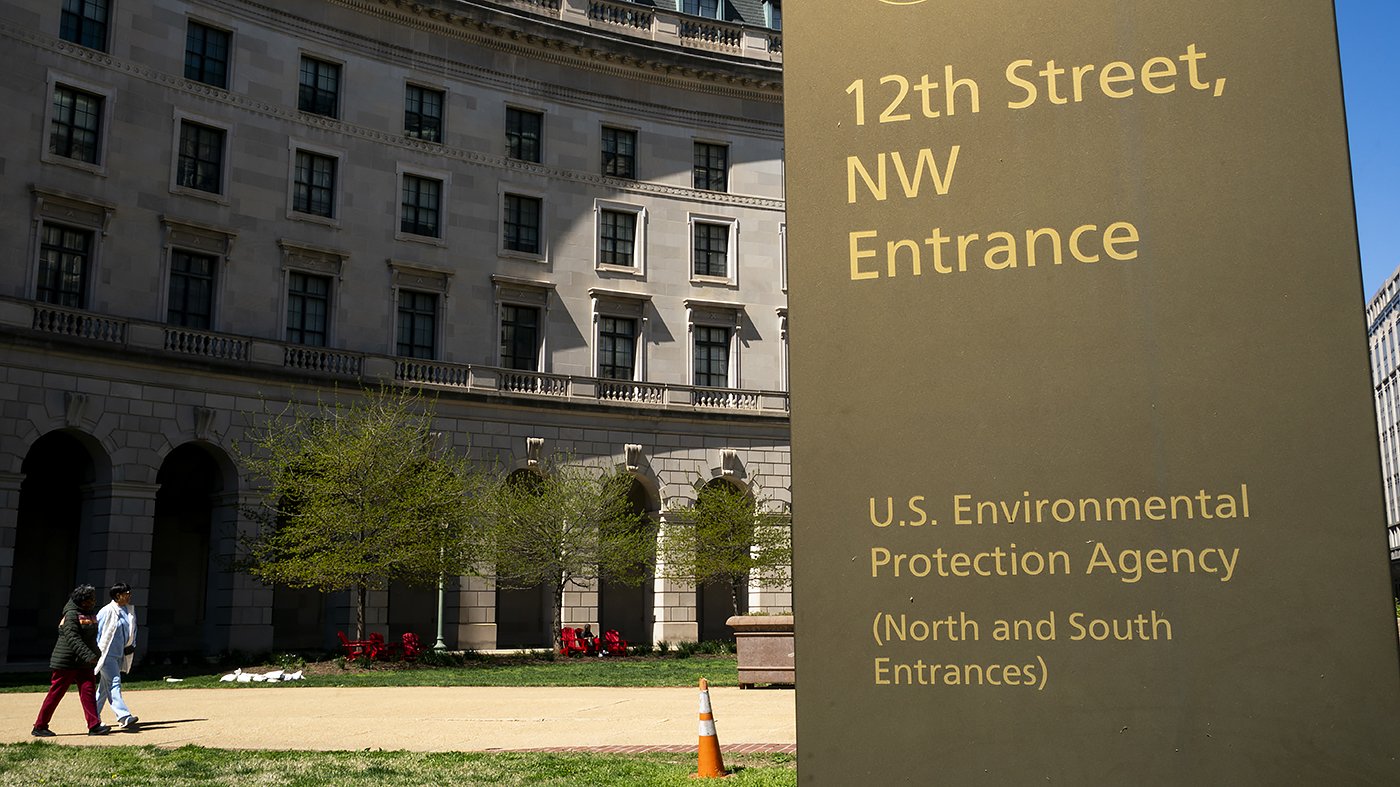
The Environmental Protection Agency unveiled a regulatory proposal Thursday that would grant state authorities greater discretion in managing the disposal of toxic waste from coal-fired power plants. The draft rule targets standards for coal combustion residuals, commonly known as coal ash, which contain hazardous substances like mercury and arsenic.
Regulatory Flexibility at Core of Proposal
The central change would allow permitting authorities—either the EPA or state agencies—to approve "alternative groundwater protection standards" for specific pollutants at coal ash facilities. Additionally, the proposal would permit groundwater monitoring at "alternative" locations, rather than strictly mandated sites. This represents a significant shift from Obama-era regulations that established uniform national standards for monitoring and containing the waste material, which is often stored in large surface impoundments or landfills.

EPA Administrator Lee Zeldin framed the move as a correction to what he characterized as federal overreach. "These commonsense changes to the CCR regulations reflect EPA's commitment to restoring American energy dominance, strengthening cooperative federalism, and accommodating unique circumstances at certain CCR facilities," Zeldin stated. The administration argues that a one-size-fits-all approach fails to account for varying geological conditions and operational needs across the nation's coal fleet.
Environmental and Health Concerns Raised
Environmental organizations immediately condemned the proposal, warning it would weaken critical safeguards. Coal ash ponds have a history of failures and leaks, contaminating adjacent waterways and groundwater supplies used for drinking. "Coal ash pollution has already cut too many American lives short. Our government should be strengthening safeguards against this toxic threat; instead, Donald Trump and Lee Zeldin are taking a sledgehammer to them," said Bridget Lee, a senior attorney with the Sierra Club.
Lee vowed legal and political resistance, adding, "We will fight back against this reckless and illegal move and work to deliver a healthier future for the people who drink the water and breathe the air near coal ash dumps." The debate places a spotlight on the administration's broader environmental policy, which has frequently prioritized deregulation and industry requests over stricter pollution controls.
The proposal arrives amid a flurry of contentious environmental policy actions and political clashes. It follows a pattern where the administration's regulatory rollbacks face immediate legal challenges from Democratic state attorneys general and national advocacy groups. The coal ash rule change is likely to become another front in that ongoing battle.
This regulatory shift also intersects with the administration's energy and economic agenda, which seeks to provide relief to the struggling coal industry. Critics, however, contend that reducing oversight of toxic waste disposal transfers environmental risks and cleanup costs to the public. The health implications are significant, as exposure to coal ash contaminants has been linked to cancer, neurological damage, and other serious illnesses.
The public will have an opportunity to comment on the proposed rule before it is finalized. Its ultimate implementation may hinge on the outcome of the November elections, as a change in administration could lead to its reversal. The proposal underscores a fundamental divide in environmental governance: federal uniformity versus state-led flexibility, a tension evident in other policy areas, including recent debates over the administration's approach to international conflicts and ceasefire diplomacy.
As the process moves forward, congressional Democrats are expected to scrutinize the EPA's action closely. This comes as Democratic lawmakers are simultaneously engaged in other high-stakes confrontations with the White House, including efforts related to presidential authority and impeachment. The coal ash rule exemplifies the enduring policy battles that define this administration's relationship with federal environmental law.