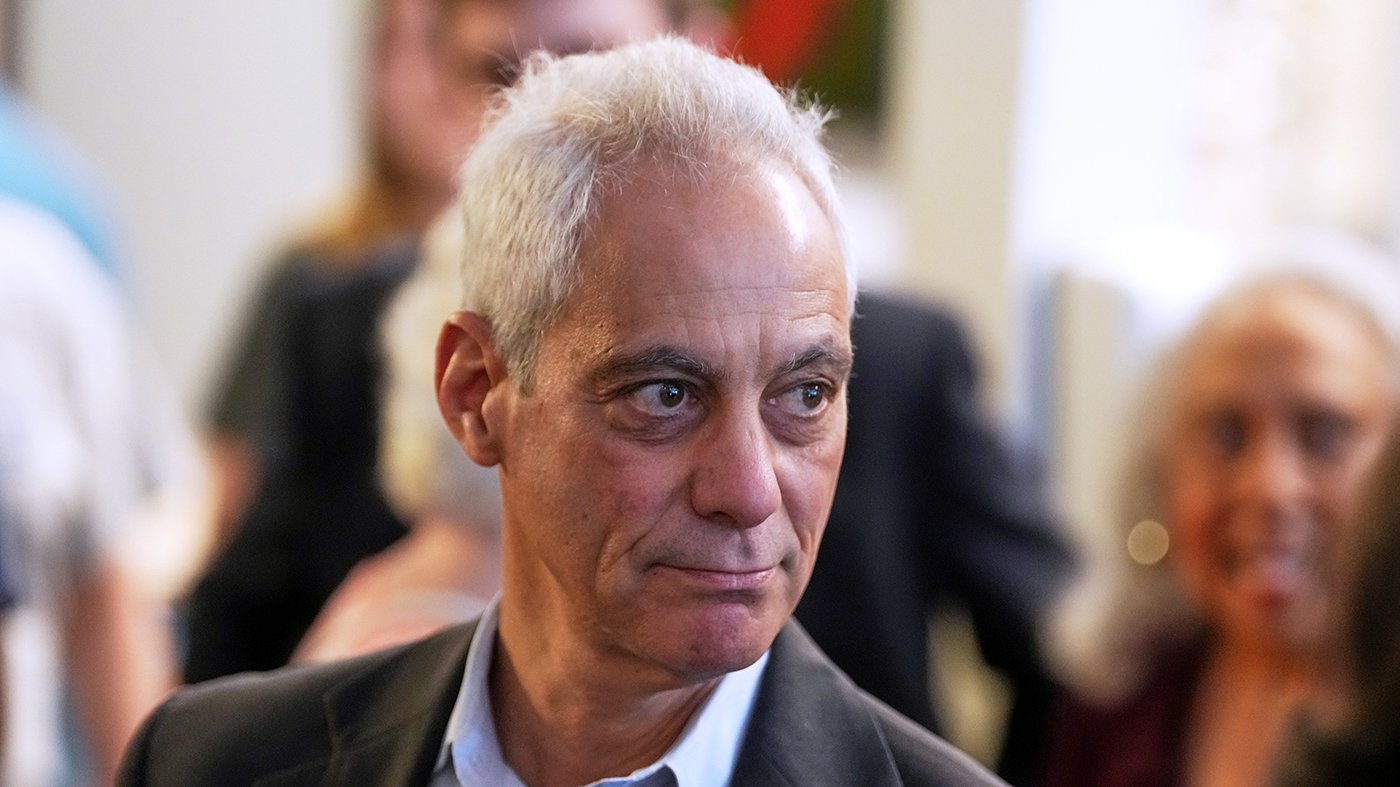
Rahm Emanuel, a former White House chief of staff and Chicago mayor who helped shape contemporary Democratic electoral strategy, is now delivering a stark internal assessment: the party he helped build is failing. As he gauges support for a potential 2028 presidential bid, Emanuel has positioned himself as a leading critic, arguing Democrats have fundamentally lost their connection to the voters who decide elections.
A Call for Recentering
In a series of public appearances and interviews, Emanuel contends the party has strayed from its successful electoral formula. "We lost the plot," he declared on a recent podcast, stating Democrats "got unanchored." He argues the party's most successful presidents were anchored in "middle class values" that are universally accepted in the country, but that the current party has shifted "from acceptance to advocacy" on cultural issues, a move he calls a "big difference."
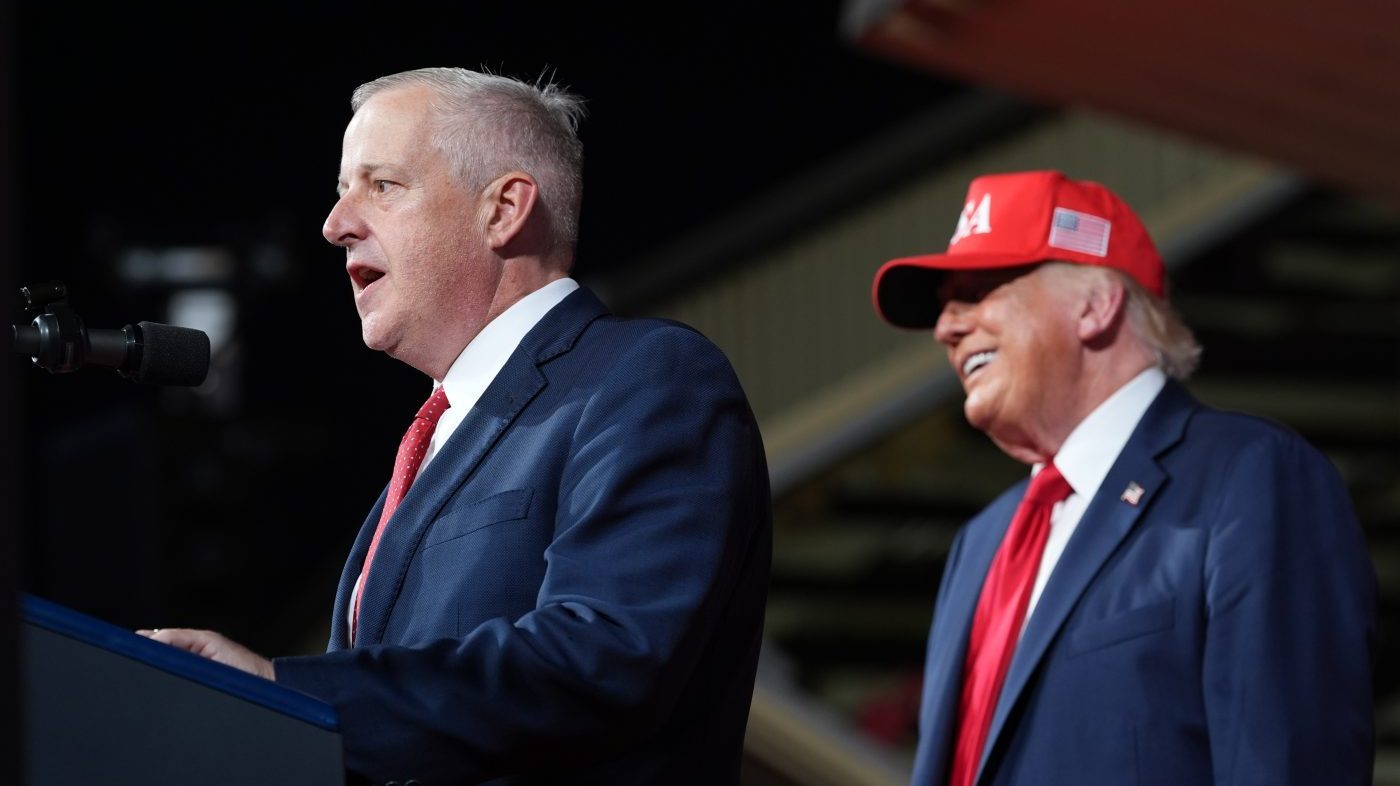
His critique focuses heavily on messaging and cultural positioning. He has urged Democrats to "centralize and ground ourselves in middle class values" and to avoid getting "caught up in some cultural cul-de-sac that leads to nowhere." Specifically, he points to terms like "Latinx" and past movements to "defund the police" as examples where Democrats are "on the losing side of those culture wars, full stop." This internal friction is not isolated, as seen in the Democratic infighting in a pivotal Michigan Senate race.
Testing the 2028 Waters
Emanuel's remarks carry added weight given his political history and current ambitions. As chairman of the Democratic Congressional Campaign Committee in 2006, he engineered the party's takeover of the House by recruiting centrist candidates to win purple districts. Now, he is actively touring early primary states, including New Hampshire and South Carolina, and is headed to Nevada, fueling speculation about a White House run.
Reaction within the party is divided. Some strategists dismiss his potential, with one comparing an "outsider" critique from the longtime insider to "when Paul Ryan said he loved listening to Rage Against the Machine." Others see a viable candidate. "In this political environment, people are looking for someone different," said former Rep. Steve Israel (D-N.Y.), who served with Emanuel. He credits Emanuel with "merging sharp political acumen with policy innovation" and gaining "impressive early attention."
Supporters highlight his deep connections, fundraising network, and direct style as assets. A source close to him acknowledged the perception that he represents the "old guard" but said audiences respond to his "straightforward approach" and focus on "what comes next." However, his critique appears aimed squarely at the party's progressive wing, highlighting a persistent ideological divide. This tension over connecting with core constituencies is echoed in warnings that certain Democratic rhetoric fails to resonate with working-class voters.
Policy Rifts and a Changed Party
The party Emanuel seeks to lead has evolved significantly since his 2006 playbook. Key policy differences could emerge, particularly on foreign policy. While Emanuel is a critic of Israeli Prime Minister Benjamin Netanyahu, he remains aligned with a more traditional, steadfast U.S.-Israel relationship. The party's base, especially younger Democrats, has grown increasingly critical of such unconditional support, a shift that could create friction. This comes as U.S. naval forces accelerate their presence in the Middle East amid regional tensions.
On domestic policy, Emanuel has historically favored incremental approaches, notably on healthcare, while much of the party's energy has flowed toward more expansive reforms. His argument hinges on the belief that economic concerns are paramount for the middle-class voters Democrats need to win. He suggests the current focus on cultural advocacy has created an opening for Republicans, even as a GOP president might neglect those very economic issues.
Whether Emanuel's centrist, value-based appeal can gain traction in a Democratic primary remains an open question. His campaign-in-waiting presents a fundamental choice for the party: return to a disciplined, middle-class economic message as he advocates, or continue on its current path. His blunt critique ensures this debate will be central as Democrats look beyond 2024, a period when Republicans are also eyeing their own post-Trump party reclamation.