Across the political spectrum, populist movements increasingly rely on identifying villains to mobilize supporters. While former President Donald Trump has built his appeal around targeting immigrants and political opponents, progressive Democrats have turned their focus to America's wealthiest individuals, believing this approach can peel working-class voters from the Republican coalition.
The Working-Class Disconnect
This strategy appears to be faltering, according to research from The Working Class Project, which extensively surveys non-college workers. Their findings reveal a significant gap between progressive messaging and voter priorities. While Democrats emphasize wealth inequality and corporate power, these voters express more immediate concerns about inflation, the cost of living, and what they perceive as the Democratic Party's leftward shift on social issues.
"Working class voters have repeatedly told us that they interpret Democrats' attacks on wealth as punishing hard work and success," the project reports. Instead, these voters want politicians to address systemic corruption and those who exploit the system. As one Texas focus group participant stated, "Politicians use billionaires as scapegoats for their own failures of not fixing the tax code, not fixing issues with this country."
Progressive Insistence on Class Warfare
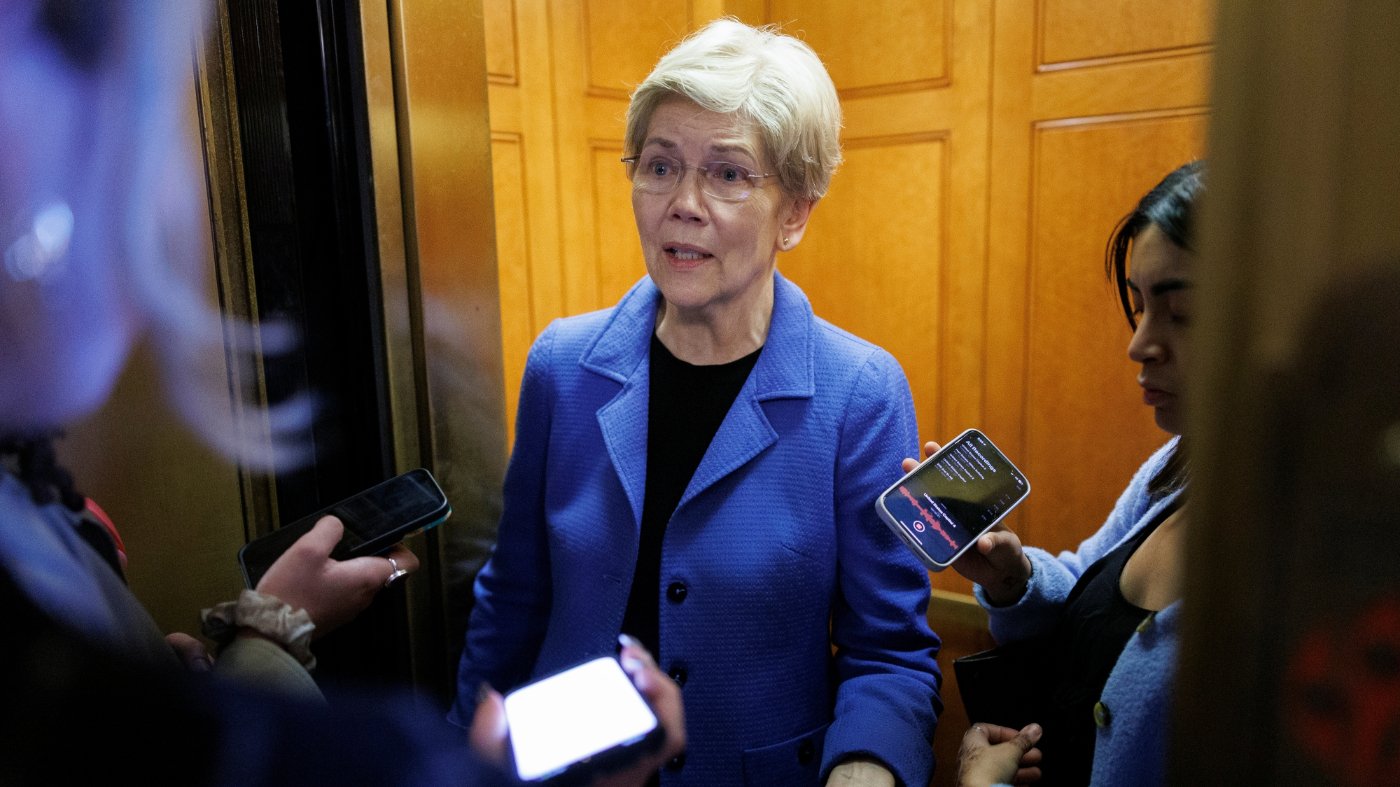
Despite this feedback, prominent Democratic senators including Chris Murphy, Adam Schiff, Tina Smith, and Elizabeth Warren argue in an open letter that the party must intensify its criticism of wealthy interests. "Billionaires and corporate interests have captured our political system, but our party's anemic response to the rigging of our democracy and economy in favor of the ultra-wealthy has eroded our credibility with working people," they contend.
Warren has specifically criticized moderate Democrats who advocate for a broader coalition, stating, "Either we politely nibble around the edges of change, or we throw ourselves into the fight." This perspective assumes that more aggressive calls for business regulation and expanded social programs would activate a hidden majority of Americans—a theory that remains unproven despite substantial progressive policy implementation under the current administration.
Policy Consequences and Electoral Strategy
The failure of what critics term "Bidenomics" to sway working-class voters raises questions about this approach. Despite massive federal spending on infrastructure, clean energy, and social programs designed to address inequality, many voters associate these policies with persistent inflation rather than economic relief.
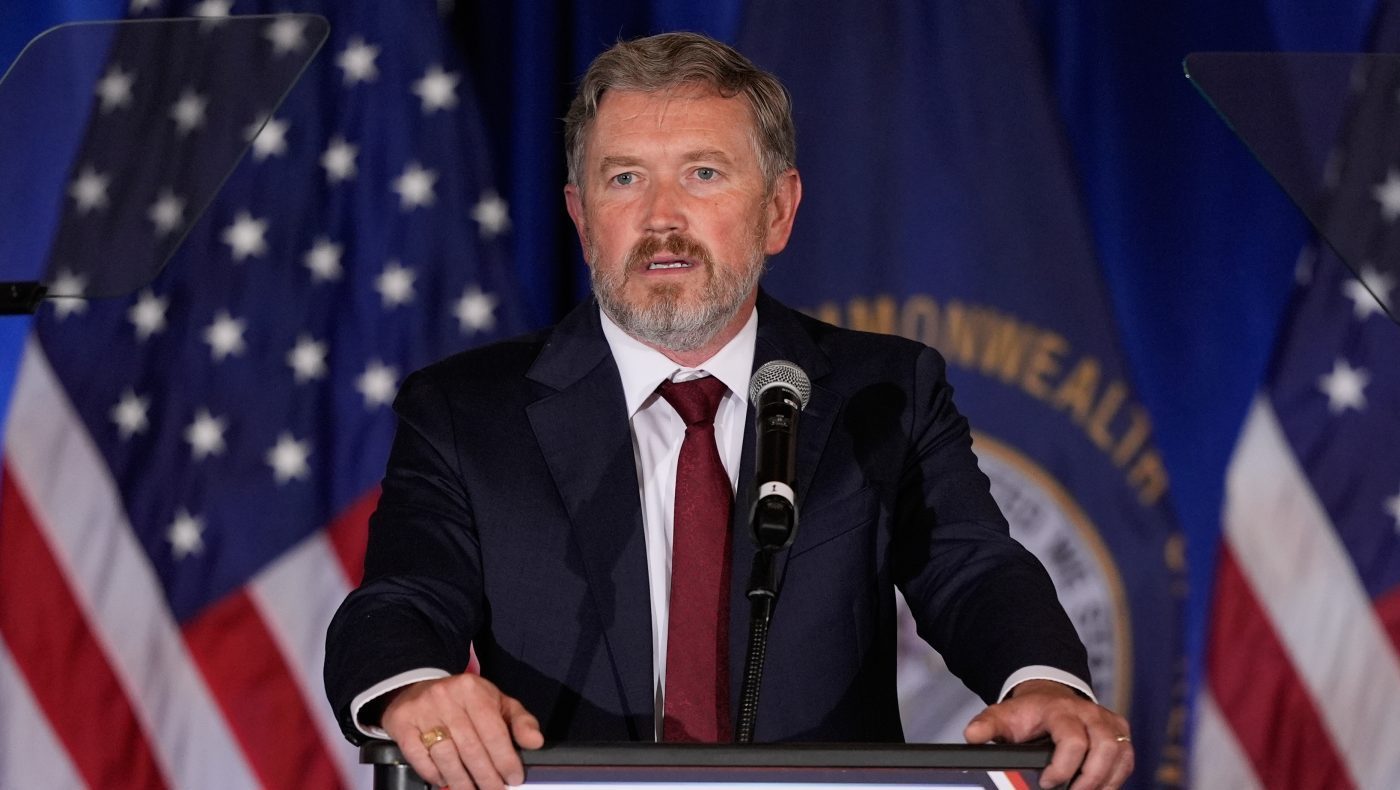
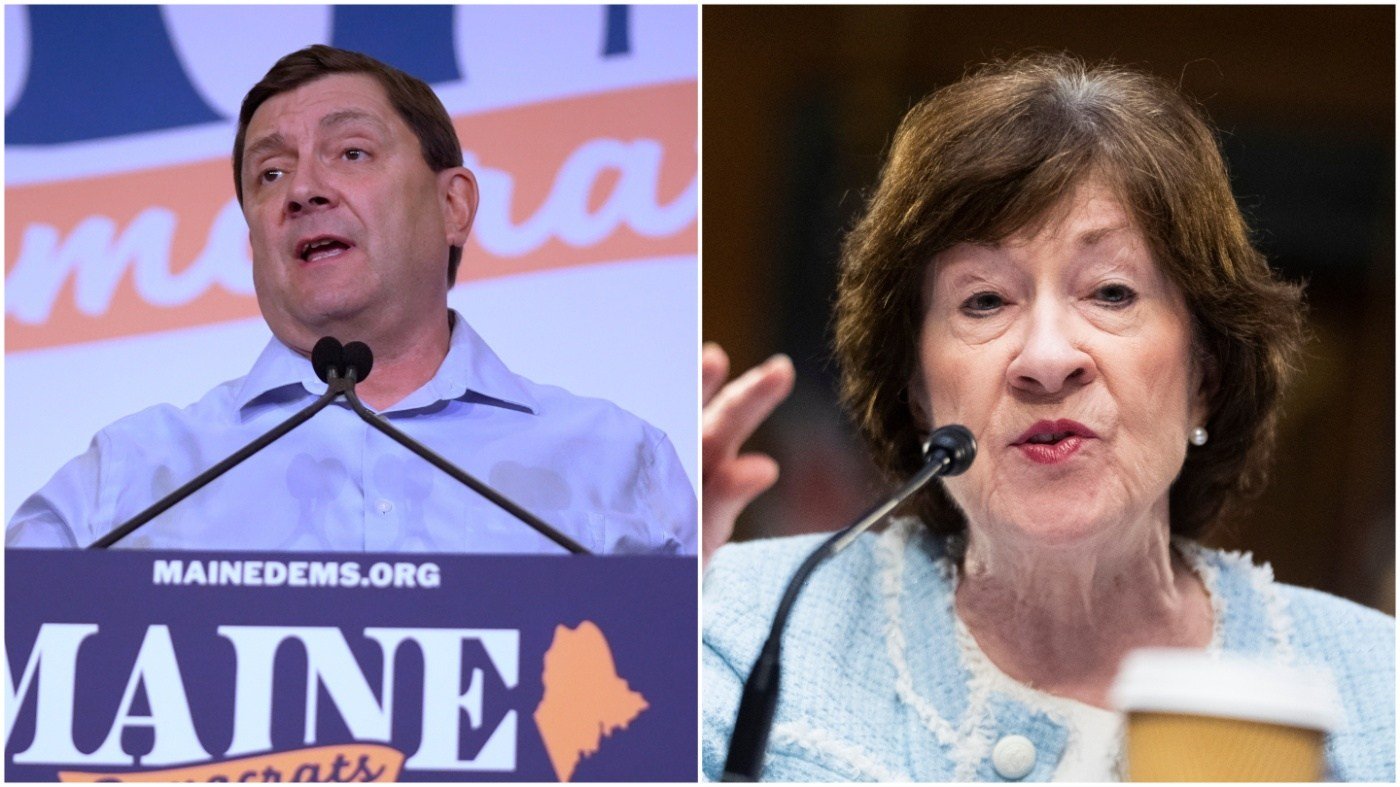
Nevertheless, some Democratic candidates in competitive midterm races have embraced anti-billionaire rhetoric. In Texas, Senate primary winner James Talarico declared, "The only minority destroying this country is the billionaires." Similarly, Maine candidate Graham Plattner has vilified the "billionaire class" while endorsing Medicare for All and criticizing immigration enforcement policies. These positions come as progressive legislators propose various wealth tax measures, despite practical concerns about implementation and revenue generation.
Even in politically favorable environments, such policies face resistance. California Governor Gavin Newsom has opposed union-backed wealth tax proposals, warning they could accelerate business departures from the state amid existing regulatory and economic pressures on California industry.
The Core Economic Challenge
Critics argue that focusing on billionaires represents political theater rather than substantive policy. "Scapegoating billionaires is a mere political side-show," writes Will Marshall, president of the Progressive Policy Institute. "Performative populism may give activists a dopamine rush, but it evades Democrats' core challenge: convincing voters they have a serious plan to spur economic growth and lift worker productivity."
This economic growth, analysts suggest, remains the fundamental requirement for improving living standards and creating upward mobility for working Americans. As the political landscape grows increasingly polarized, with social media platforms struggling to manage political discourse, the Democratic Party faces a strategic dilemma: whether to double down on class-based rhetoric or develop more nuanced economic messages that address voters' immediate concerns about affordability and opportunity.