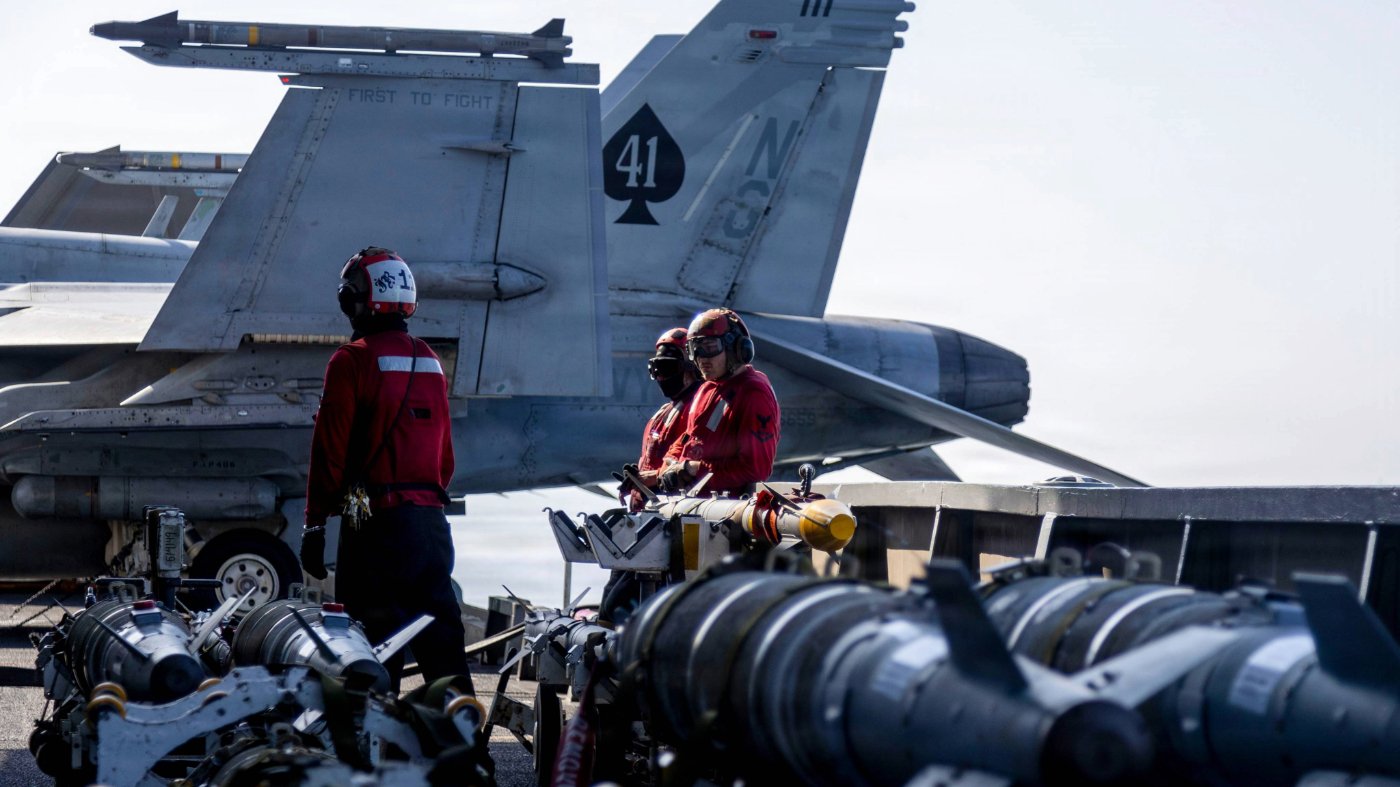
The U.S. Navy amphibious assault ship USS Tripoli arrived in the U.S. Central Command region on Friday, delivering a significant contingent of approximately 3,500 sailors and Marines from the 31st Marine Expeditionary Unit. According to CENTCOM, the vessel brings with it transport and strike fighter aircraft, amphibious assault vehicles, and other tactical assets, marking a substantial reinforcement of American military presence in the volatile theater.
Accelerated Deployments Signal Escalating Posture
This deployment is part of a broader, accelerated military buildup ordered by the Pentagon last week. The USS Boxer, carrying at least 2,200 Marines from the 11th Marine Expeditionary Unit, departed its homeport in San Diego on Wednesday and is expected to reach the CENTCOM area within a month. Both the Tripoli and the Boxer will be joined by the USS New Orleans, which was scheduled to arrive in the region on Friday. This rapid influx of naval power and Marine expeditionary forces underscores the heightened state of alert and readiness as regional tensions with Iran persist.
Political Pressure Against 'Boots on the Ground'
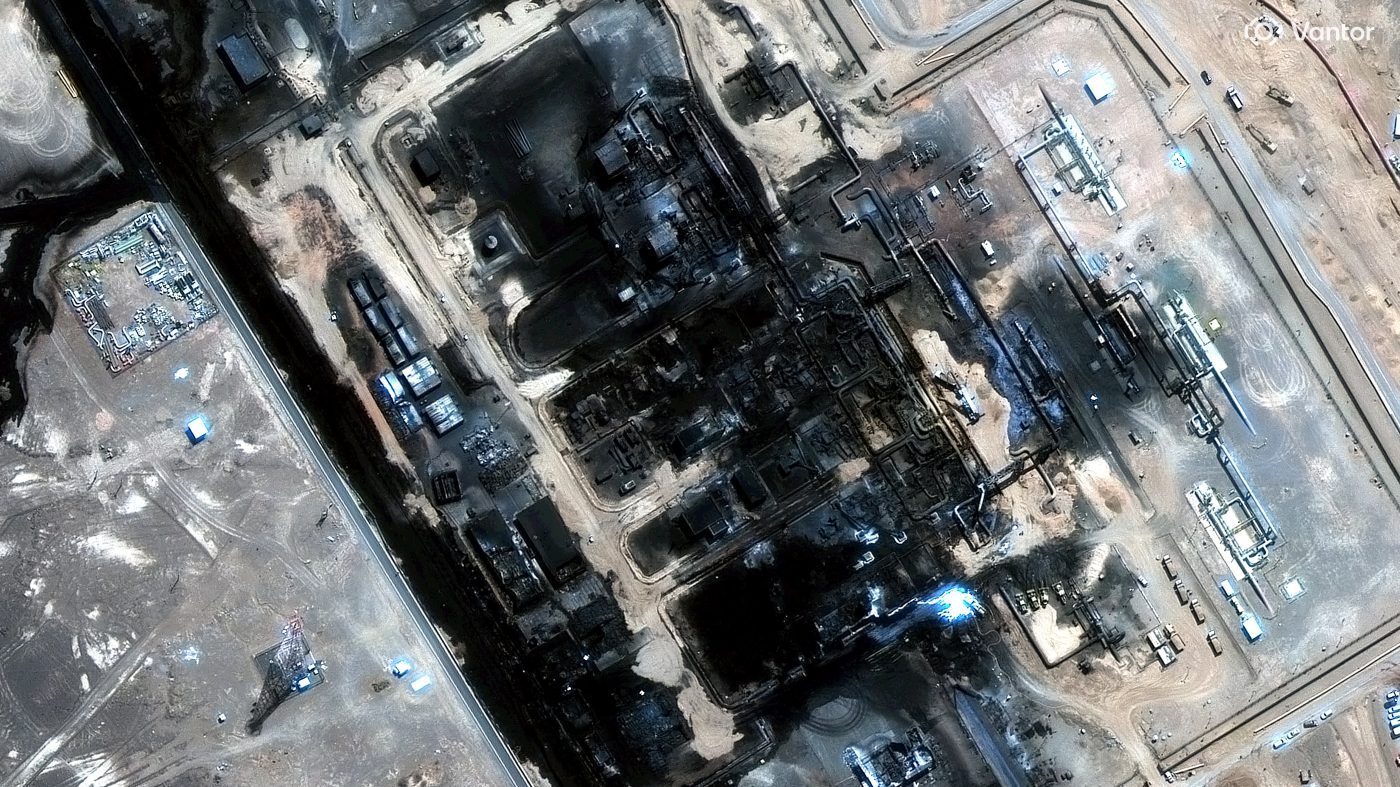
The military movements occur amid growing political calls for President Trump to avoid committing U.S. ground troops as part of the ongoing regional confrontation, dubbed Operation Epic Fury. While the President has stated he does not intend to send troops into direct combat, he has publicly floated the idea of seizing Iran's crucial crude oil export storage infrastructure—an operation that would almost certainly require a substantial ground force. This contradiction highlights the precarious balance between military pressure and political constraints.
Regional Conflict Expands with Houthi Attack
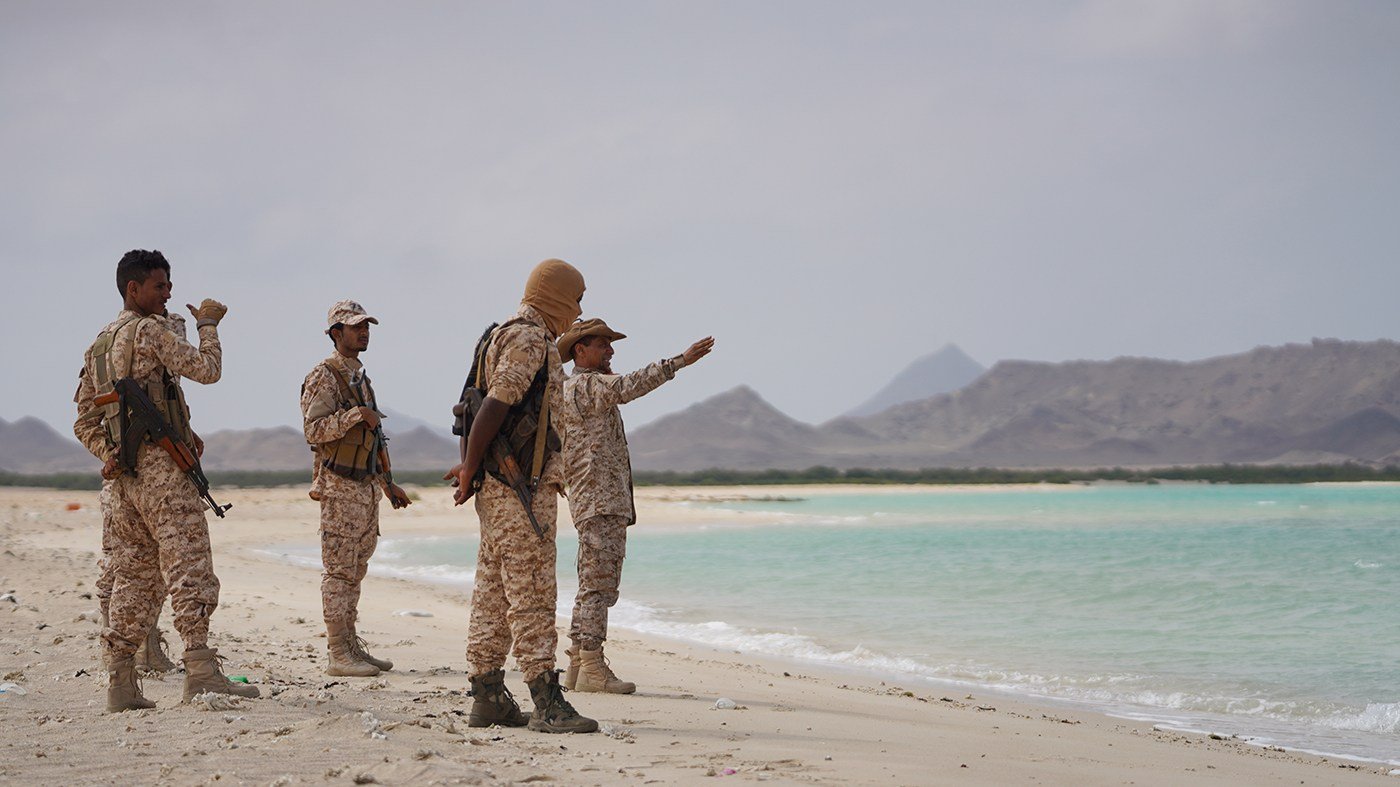
The security situation was further complicated on Saturday when the Iran-backed Houthi movement in Yemen fired ballistic missiles toward Israel, according to a statement from Houthi spokesperson Brig. Gen. Yahya Saree. The Israeli Defense Forces confirmed they intercepted a missile originating from Yemen, with no reported injuries or damage. This attack represents a dangerous expansion of the conflict, directly linking the Yemeni theater to hostilities involving Israel and Iran. The Houthis, designated as a foreign terrorist organization by the U.S., had previously warned the United States and its allies against escalating hostilities toward Iran, calling for a diplomatic resolution.
Stalled Diplomacy and Sticking Points
Diplomatic efforts to de-escalate the crisis appear stalled. Secretary of State Marco Rubio said on Friday that the U.S. was engaged in negotiations with Iran through Pakistani mediators, expressing hope for a resolution "in weeks, not months." However, Iran has formally rejected a 15-point U.S. peace plan. Instead, Tehran submitted a counterproposal demanding, among other provisions, an end to hostilities and Iranian sovereignty over the Strait of Hormuz—a critical global chokepoint for oil shipments that has been closed since the conflict began, causing energy prices to skyrocket. Iran's demand for control of the strategic waterway is a major obstacle to any agreement.
Economic and Political Fallout
The closure of the Strait of Hormuz continues to wreak havoc on global energy markets, sustaining elevated oil and gas prices worldwide. Domestically, the prolonged conflict and military mobilization are having political repercussions. A recent Fox News poll shows President Trump's disapproval rating reaching a record high, with significant backlash attributed to the handling of the Iran crisis. President Trump extended his deadline for Iran to reopen the Strait to April 6, stating that talks were "going very well," a characterization at odds with the public rejection of the U.S. plan and the ongoing military deployments.
The convergence of a major U.S. naval buildup, expanded regional attacks by Iranian proxies, deadlocked diplomacy over core strategic issues, and growing domestic political pressure creates a complex and unstable situation. The arrival of the USS Tripoli and its accompanying force is a tangible manifestation of Washington's commitment to military pressure, even as the path to a diplomatic off-ramp remains fraught with seemingly irreconcilable demands.