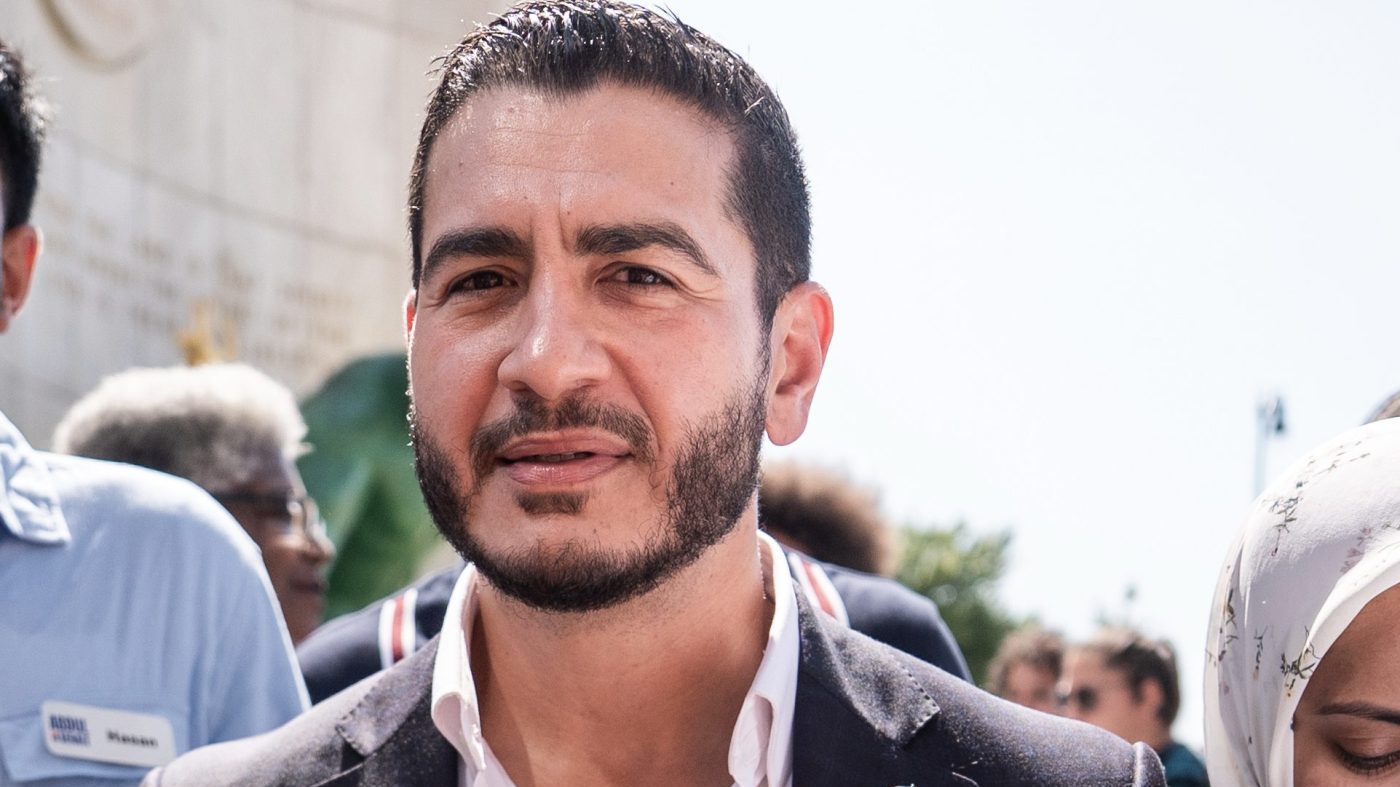
Abdul El-Sayed, the Democratic nominee in Michigan's Senate race, pushed back against President Trump's attacks on Wednesday, telling CNN that the president "can't stay on focus" after Trump accused him of antisemitism.
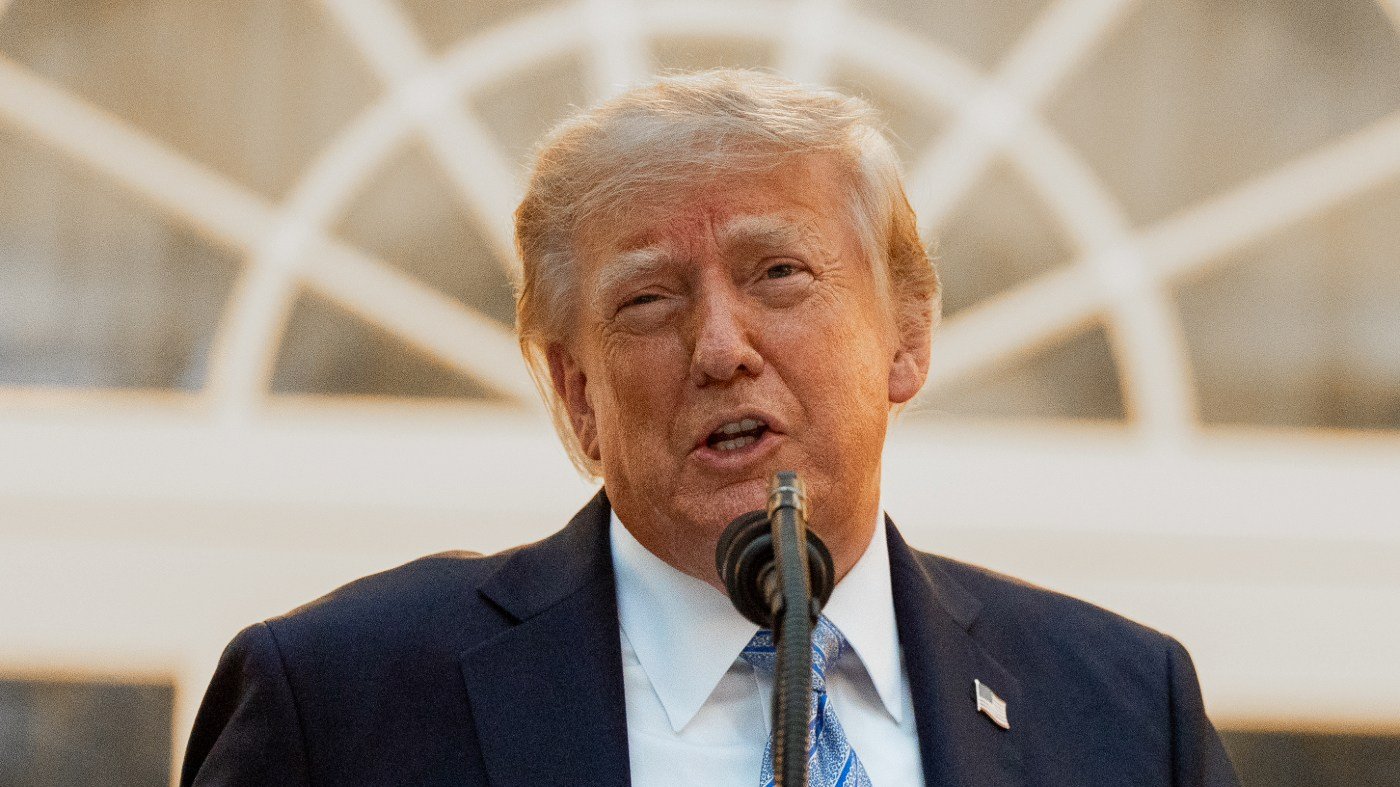
Speaking with Kaitlan Collins, El-Sayed said Trump's remarks, delivered during a Las Vegas speech on his "no tax on tips" proposal, were a distraction from pressing economic concerns. "That's like the one thing he did to offer any economic relief, but instead of that he's more focused on me and what I'm going to do while we're living through an affordability crisis that is generational," the progressive candidate said.
El-Sayed, who narrowly defeated Rep. Hailey Stevens in Tuesday's primary, challenged the president to engage with his actual platform. "I want to get money out of politics, put money in your pocket and pass Medicare for All," he said, inviting Trump to "focus on what I'm saying."
The exchange comes after Trump called El-Sayed a "man of hate" and falsely claimed he "hates Jews and he hates Israel." El-Sayed, who would be the first Muslim senator in U.S. history, dismissed the characterization, framing it as part of a broader effort by Trump and his allies to define who belongs in America.
"There are people like JD Vance or Donald Trump or Mike Rogers who want to define America as being too small to include some kinds of people," El-Sayed said. "They point to my name, they point to my faith, they try to insinuate that somehow I'm less American because of those things... They want America to be small. I believe America is big."
The Democratic nominee also sought to rally the party behind his campaign, acknowledging the competitive primary with Stevens. "There were some disagreements between folks who might have voted for me, or folks who might have voted with the congresswoman, but I also know that the things that unite us are so much bigger than whatever it is that divides us," he said. He added that he hopes Stevens and state Senator Mallory McMorrow will join him on the trail, noting that Stevens has already pledged to support his general election bid.
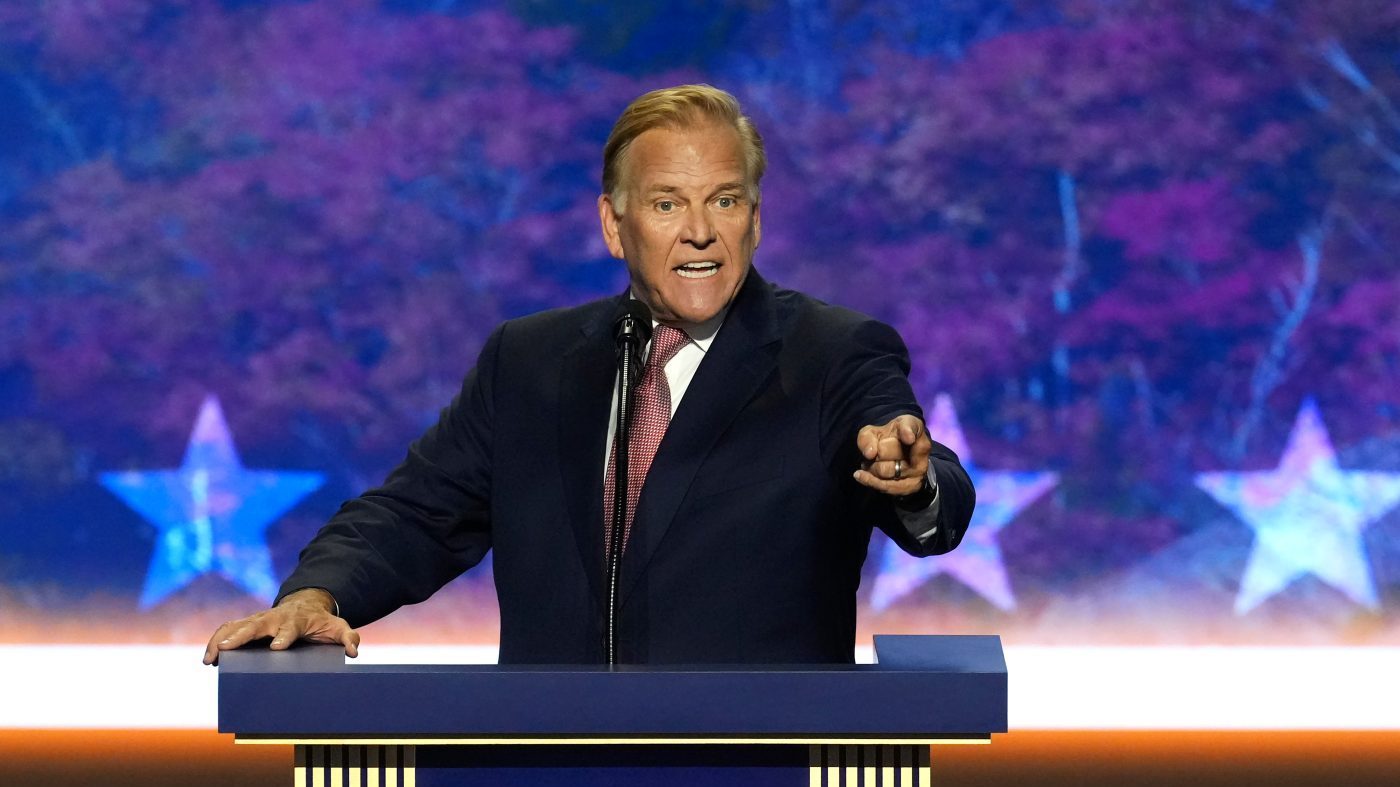
El-Sayed trained his fire on Republican opponent Mike Rogers, accusing him of dodging questions about Trump's policies. "When you've asked Mike Rogers about his position on the war or his position on Trump's tariffs, he is mum," El-Sayed said. "So look, I'm looking forward to tying Mike Rogers to Donald Trump all day, every day."
The race in Michigan is shaping up to be a key test for Democrats in the fall, with El-Sayed's narrow primary victory setting the stage for a competitive general election. His progressive platform and vocal opposition to Trump have energized the left, though party rifts remain after the contentious primary.
Trump's attacks on El-Sayed are part of a broader pattern of the former president targeting his political opponents. In this case, the president's rhetoric has been met with sharp pushback from El-Sayed, who is running on a message of inclusion and economic populism. As the campaign heats up, Vice President JD Vance has also weighed in, suggesting El-Sayed's appeal is limited to affluent liberals rather than working-class voters—a claim El-Sayed rejects.
For now, El-Sayed is focused on building a broad coalition. "We have an opportunity right now to come together, to embrace the idea that we can have an America that is affordable, because Michiganders right now are suffering," he said. He also reflected on the historic nature of his candidacy, telling Collins that while he is "not running to be the first Muslim anything," his election would "mean something... about the country."