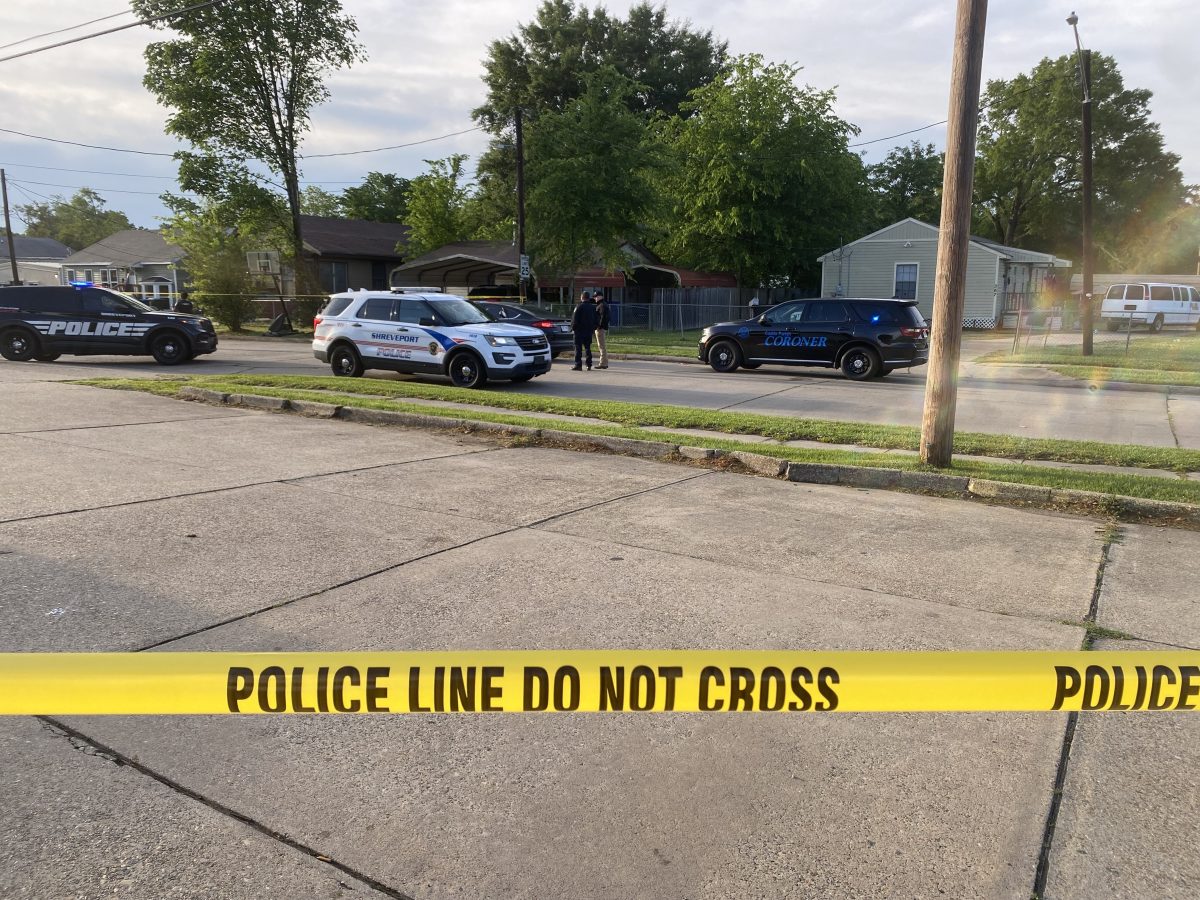
Eight children, ranging in age from one to fourteen years old, were killed in a mass shooting across multiple residential locations in Shreveport, Louisiana, on Sunday morning. Authorities described the incident as a domestic disturbance and confirmed the suspect, who was related to some of the victims, is dead after being fatally shot by police following a vehicle pursuit.
Timeline of a Tragedy
Shreveport Police responded to the initial shooting just after 6 a.m. on April 19, 2026. According to police spokesperson Christopher Bordelon, the violence unfolded across three separate crime scenes. After the shootings, the suspect allegedly stole a vehicle and fled, leading officers on a pursuit that extended into neighboring Bossier Parish. Police fatally shot the suspect during the incident; no officers were injured.
"This is an extensive scene unlike anything most of us have ever seen," a police official stated during a morning press conference. The investigation has been turned over to Louisiana State Police, who are reviewing the officer-involved shooting and the broader homicide case. State police have asked the public to share any photos, video, or information related to the events.
Official Reactions and Context
Local and state officials expressed profound grief. "This is a tragic situation, maybe the worst tragic situation we've ever had in Shreveport," Mayor Tom Arceneaux said. "It's a terrible morning in Shreveport, and we all mourn with the victims." Louisiana Governor Jeff Landry issued a statement saying he and his wife were heartbroken, adding, "We're deeply grateful to the law enforcement officers and first responders working tirelessly on the scene."
The shooting marks the deadliest mass casualty event in the United States since eight people were killed in a Chicago suburb in January 2024, according to a database maintained by The Associated Press and USA Today in partnership with Northeastern University. The incident immediately raises difficult questions about domestic violence prevention and law enforcement response protocols.
While the motive remains under investigation, the classification of the event as a domestic disturbance places it within a broader national pattern of familial violence escalating to mass casualty events. This tragedy occurs amid ongoing political debates about gun policy and public safety funding. The federal government has recently taken action on related issues, such as terminating a multi-million dollar contract with a Catholic charity for migrant children's services, highlighting the complex intersection of policy, family structures, and state resources.
Broader Political and Social Reverberations
Catastrophic events involving children often trigger intense political scrutiny and calls for policy reviews. The scale of this loss is likely to influence local and state political discourse in Louisiana for the foreseeable future. The response from law enforcement—a coordinated pursuit ending in the suspect's death—will also be examined in detail, much like other high-profile cases involving use of force, such as the civil negligence trial proceeding against actor Alec Baldwin for a fatal on-set shooting.
Furthermore, the tragedy touches on sensitive national conversations about child welfare and safety. Political figures are frequently drawn into debates on these issues, as seen when California Governor Gavin Newsom demanded Robert F. Kennedy Jr. explain controversial remarks about Black children and ADHD medication. The Shreveport shooting, by its sheer horror and focus on young victims, is poised to become a grim reference point in these ongoing discussions about protecting the most vulnerable.
As the community grapples with the aftermath, the focus turns to the investigation by Louisiana State Police and the long process of healing for the families and the city of Shreveport.