Governor Condemns Secretary's Remarks as Racist and Unacceptable
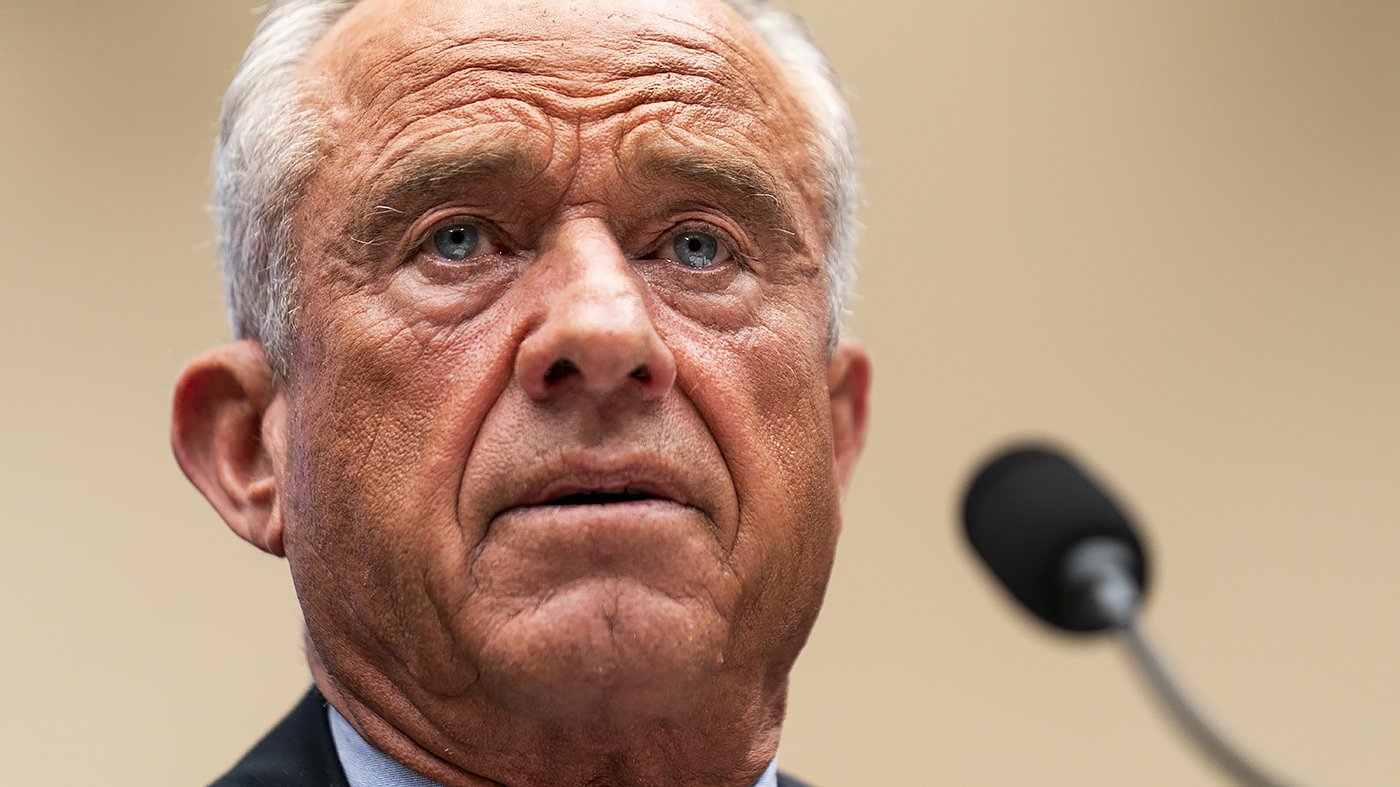
California Governor Gavin Newsom issued a sharp condemnation Friday, demanding Health and Human Services Secretary Robert F. Kennedy Jr. provide answers regarding controversial comments he made in 2024 about Black children and ADHD medication. Newsom characterized the remarks as reflecting a "racist mentality" that disqualifies Kennedy from leading the department responsible for national health.
"We've long known RFK Jr. has been unfit to serve as Secretary, but these resurfaced remarks reflect a racist mentality that is absolutely unacceptable for a leader charged with protecting the health of 341 million Americans," Newsom stated. "We cannot go numb to the insanity of this federal administration. The Secretary must be held accountable for his deeply disturbing comments."
Controversial Interview Resurfaces During Congressional Testimony
The comments originated from a 2024 interview Kennedy gave on the online show "High Level Conversations" with wellness influencer 19Keys, less than two months before he withdrew from the presidential race. During the discussion about Black men and mental health, Kennedy asserted that "every Black kid is now, just as a standard, put on Adderall, SSRIs, benzos, which are known to induce violence."
He then described a vision where "those kids are going to have a chance to go somewhere and get re-parented, to live in a community where there'll be no cell phones, no screens, you'll actually have to talk to people." Kennedy cited Italy's San Patrignano addiction treatment program as inspiration, claiming participants emerge as "extraordinarily productive workers" who "get a second chance at life" through this re-parenting process.
Congressional Confrontation and Denial
The remarks gained renewed attention Thursday when Representative Terri Sewell (D-Ala.) confronted Kennedy during his testimony before the House Ways and Means Committee. When questioned about the interview, Kennedy responded, "I don't even know what that phrase means and I doubt that I said that phrase. I'm not going to answer something that I didn't say... because it doesn't even make sense." He accused Sewell of "making stuff up," which she firmly denied.
Sewell reminded Kennedy of America's painful history of separating Black children from their families, from the pre-Civil War era through discriminatory policies. "For you to suggest that Black families are not capable of raising their own children is deeply offensive," Sewell stated. "When you suggest re-parenting Black children, when you sow doubt about the safety of vaccines, and when you promote unproven statements that have no basis in science, you endanger the lives of everyone across this nation."
Pattern of Controversial Administration Comments
In his statement, Newsom connected Kennedy's remarks to other controversial comments from administration officials, specifically referencing Centers for Medicare and Medicaid Services Administrator Dr. Mehmet Oz's January comments about Armenian hospice centers in Los Angeles County. Oz had suggested the facilities were connected to organized crime based on their signage, prompting Newsom to file a civil rights complaint. This incident reflects Newsom's increasing willingness to challenge federal officials as he positions himself nationally.
The controversy comes amid other challenges for the HHS Secretary, including recent congressional scrutiny over the administration's leadership. Kennedy's comments have sparked broader concerns about racial bias in federal health policy and the appropriateness of his leadership role.
Newsom's forceful response aligns with his recent pattern of confronting administration officials, though it also occurs as the governor faces political challenges of his own in California. The demand for accountability places additional pressure on an HHS Secretary already facing criticism from multiple quarters.
The Department of Health and Human Services has not yet responded to requests for comment regarding the governor's demands or the secretary's congressional testimony. The controversy highlights ongoing tensions between state leaders and federal appointees over health policy, racial equity, and professional conduct in government.