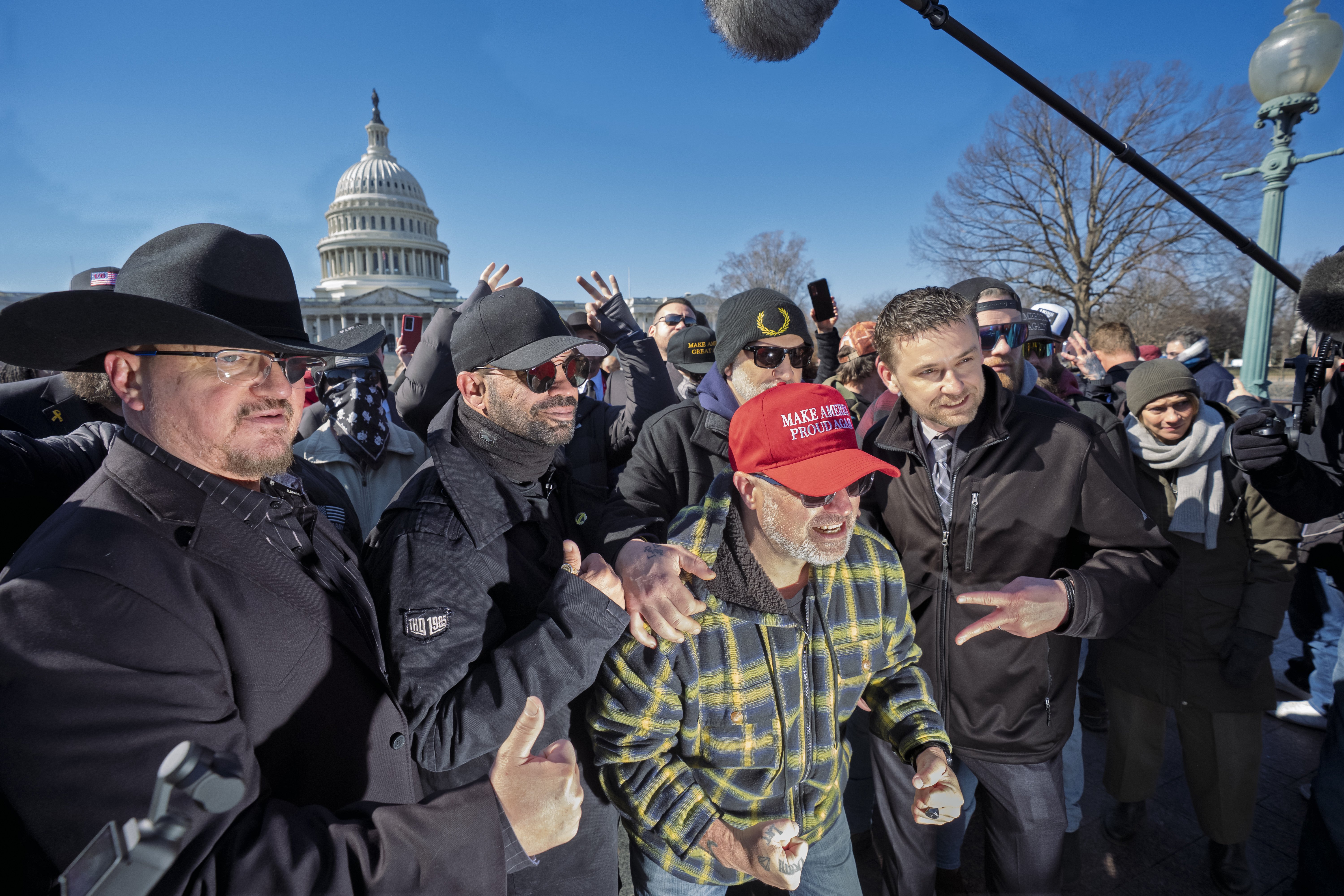
The Justice Department has taken a decisive step to unwind one of its most significant prosecutions stemming from the January 6, 2021, attack on the U.S. Capitol. On Tuesday, federal prosecutors formally asked the U.S. Court of Appeals for the District of Columbia to vacate the seditious conspiracy convictions of several leaders of the far-right Proud Boys organization.
The request seeks not only to overturn the convictions but to have the cases dismissed with prejudice, a legal term meaning the defendants could not be retried on those specific charges. This move represents a dramatic shift in the government's posture toward what was once described as the crown jewel of its sprawling January 6 investigation.
The Core Convictions
Five Proud Boys leaders stood accused of orchestrating a plot to forcibly disrupt the congressional certification of the 2020 presidential election, an effort intended to keep former President Donald Trump in power after his electoral defeat. Four of those men—Enrique Tarrio, Joe Biggs, Zachary Rehl, and Ethan Nordean—were found guilty of seditious conspiracy following a high-profile trial. A fifth defendant, Dominic Pezzola, was acquitted of that charge but convicted on other serious felony counts.
The legal landscape for these defendants shifted substantially after the 2024 election. On his first day back in office, President Trump issued a pardon for Tarrio and commuted the sentences of the other convicted Proud Boys leaders to time served. He extended similar clemency to key members of the Oath Keepers militia and over 1,500 individuals charged in connection with the Capitol breach.
A Broader Legal Retreat
In its filing, the Justice Department indicated this action is not isolated. Prosecutors signaled that similar requests to vacate convictions are imminent for members of the Oath Keepers, including founder Stewart Rhodes, and for other Proud Boys defendants. If granted, these motions would effectively erase the final major convictions directly tied to the insurrection.
Daniel Lenerz, deputy chief of the appellate division within the U.S. Attorney's office for Washington, D.C., articulated the administration's new stance. "In the Executive Branch's view, it is not in the interests of justice to continue to prosecute this case or the cases of other, similarly situated defendants," he wrote in the court filing. This statement marks a stark departure from the posture of the previous administration, where then-Attorney General Merrick Garland characterized the January 6 probe as among the "largest, most complex, and most resource-intensive investigations" in the department's history.
The decision to abandon these prosecutions arrives amid a charged political climate. It follows a pattern of the new administration revisiting legal battles from the previous term, including intense scrutiny over the GOP's response to controversial actions by the White House. Furthermore, it coincides with legislative maneuvers on other fronts, such as the Senate GOP's push to secure long-term border funding through the reconciliation process.
Legal analysts note that vacating these convictions with prejudice would represent a conclusive end to this chapter of the January 6 cases. It prevents any future administration from resurrecting the sedition charges against these specific individuals, though they remain convicted of other felonies. The move is likely to ignite fierce debate about accountability, presidential power, and the rule of law.
The appeals court now holds the immediate fate of these historic convictions. Its decision will determine whether the government's most serious allegations of organized, seditious conspiracy related to January 6 are permanently erased from the legal record. This development underscores how the political realities of a new administration can fundamentally alter the course of major justice department initiatives, reshaping the legacy of one of the most significant events in modern American political history.