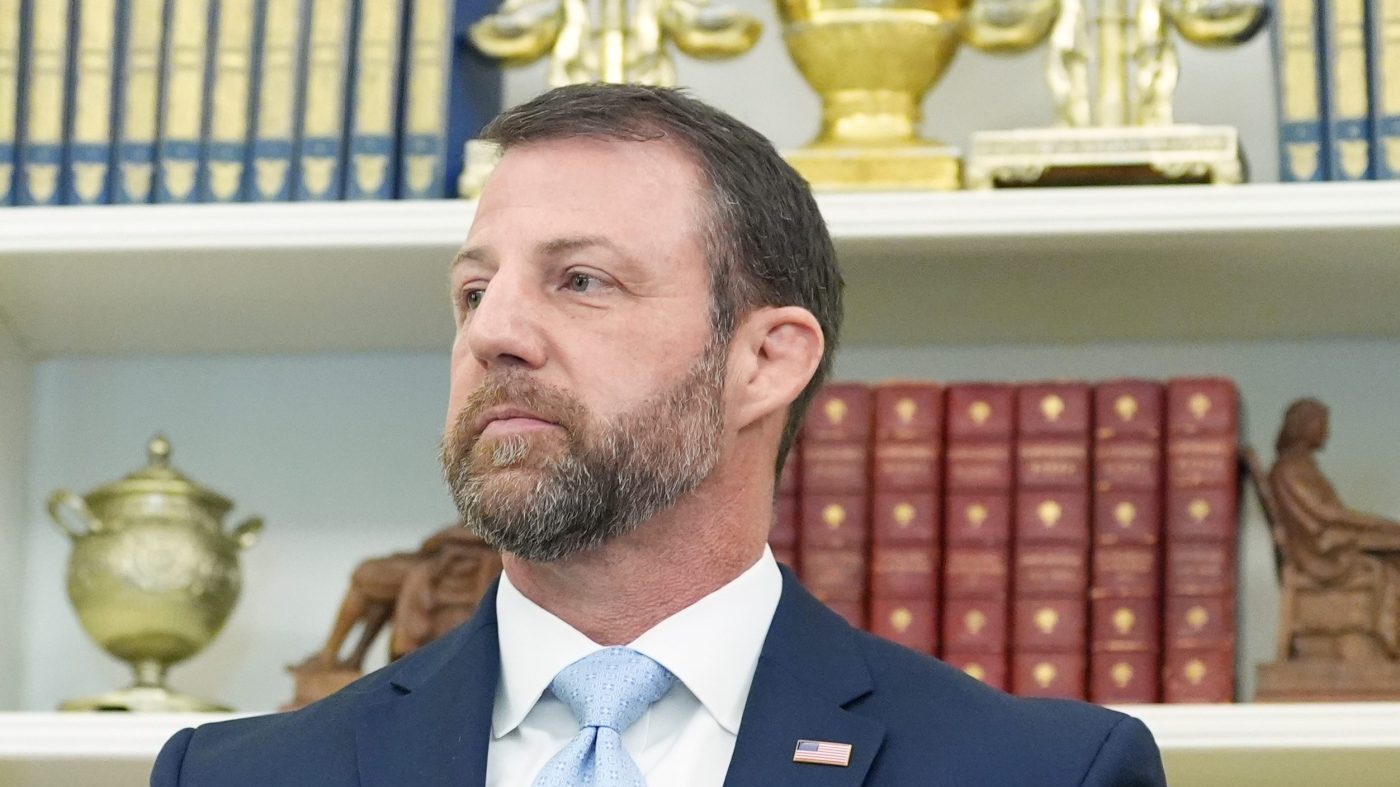
Homeland Security Secretary Markwayne Mullin issued a stark warning Tuesday that the Department of Homeland Security will be unable to meet its payroll obligations starting in early May, as emergency funds keeping the department operational during the partial government shutdown are nearly exhausted.
The funding lapse, now in its 66th day, affects all 22 DHS agencies. Mullin revealed in a Fox News interview that a $10 billion emergency fund, authorized by President Trump via executive memorandum earlier this month from the previous year's major spending legislation, is being rapidly depleted. The Office of Management and Budget reported the reserve had fallen below $1.4 billion by the end of last week.
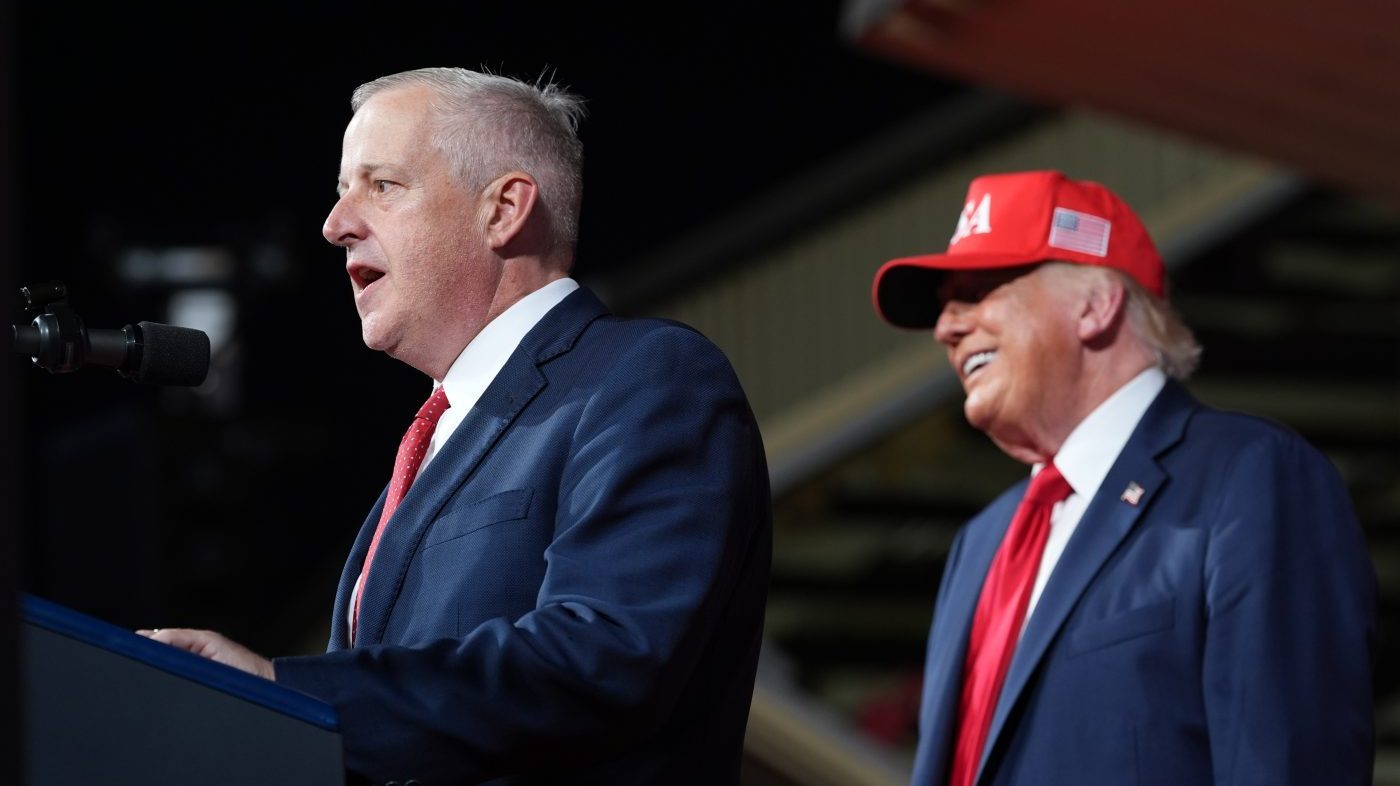
"The money is going extremely fast, and once that happens, there is no emergency funds after that," Mullin said. "After we get through April... I've got one payroll left and there is no more emergency funds, so the president can't do another executive order for us to use money because there's no more money there."
The scale of the financial challenge is significant. DHS disburses over $1.6 billion in wages every two weeks to its workforce, which includes critical frontline personnel in agencies like Immigration and Customs Enforcement (ICE) and the Border Patrol. The impending payroll shortfall marks a new phase in the protracted budgetary standoff between the White House and Congress.
In response, Senate Republicans unveiled a new budget proposal Tuesday aimed at funding ICE and Border Patrol operations for the remainder of President Trump's second term. GOP leaders intend to advance the resolution this week, setting the stage for a potential restoration of agency funding later this spring. This move occurs as tensions over executive branch leadership and funding priorities continue to simmer.
Meanwhile, House Republicans are maintaining pressure for dedicated funding for immigration enforcement before they will consider a broader bipartisan Senate bill to fund most of DHS. This political maneuvering underscores the deep divisions over border security and immigration policy that have contributed to the funding impasse.
The current crisis stems from the depletion of resources allocated under last year's comprehensive spending bill, which provided $170 billion for border security and immigration enforcement. The situation at DHS is unfolding alongside other high-profile administrative departures and controversies within the federal government.
Mullin's warning places immediate pressure on congressional negotiators and highlights the operational consequences of the ongoing stalemate. A failure to secure new funding would not only disrupt the livelihoods of tens of thousands of federal employees but could also impair core national security functions, from border management to cybersecurity, at a time of heightened international tensions.