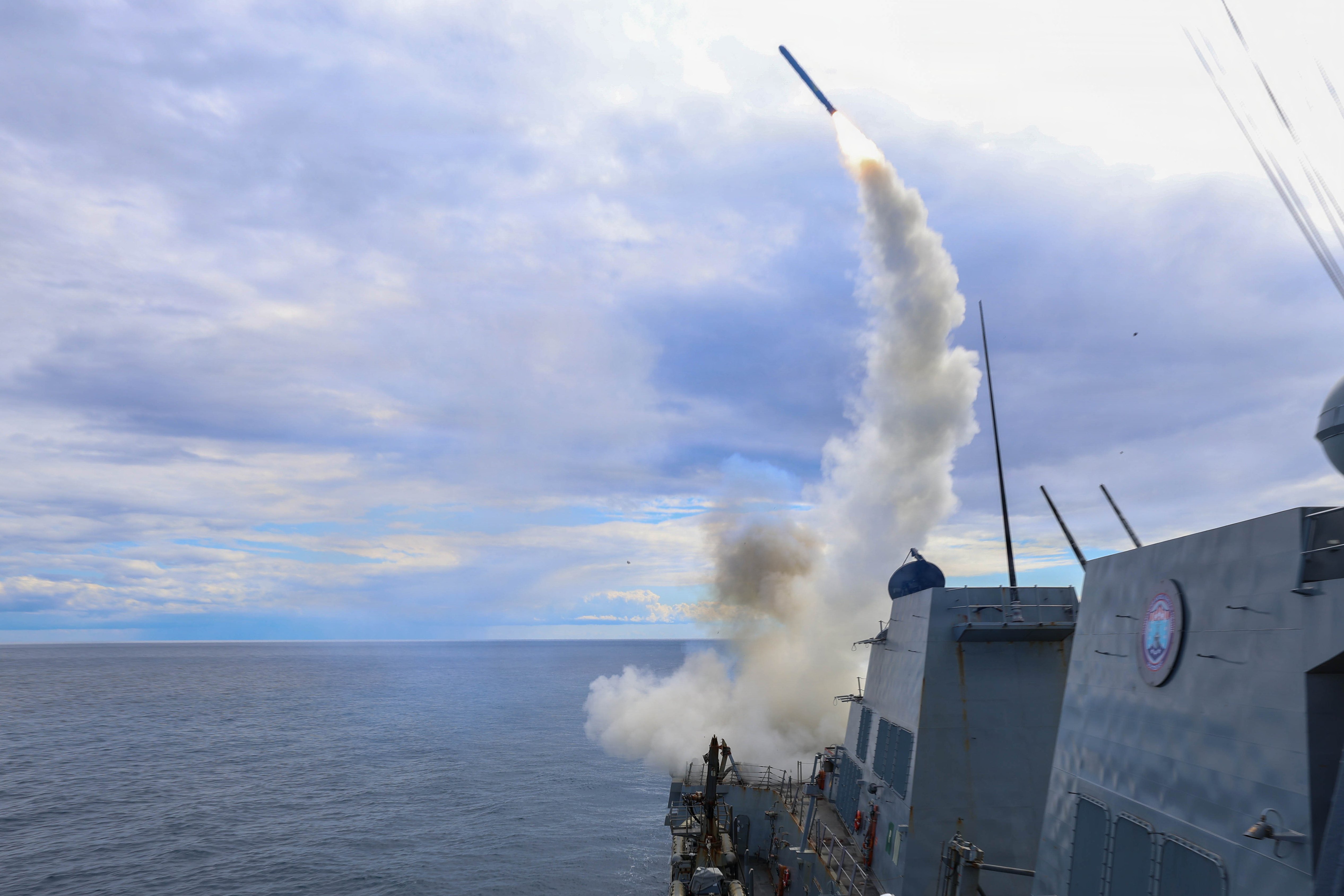
The U.S. Navy has issued a sweeping cybersecurity directive to all personnel, mandating stringent new protocols for social media and personal electronic devices. The unclassified memorandum, distributed by Navy Secretary John Phelan on April 17, cites a significant escalation in online threats against service members and their families stemming from the ongoing U.S.-Israeli military campaign in Iran, known as Operation EPIC FURY.
Adversary Campaign Targets Personnel
Secretary Phelan's memo warns of "adversary cyber actors" actively conducting a social engineering campaign. These actors are not only attempting to deploy malicious software through spear-phishing but are also seeking to "psychologically influence" sailors and their relatives. The advisory states this coordinated effort represents a direct response to the military operation, indicating a strategic shift by Iranian or proxy forces toward cyber and information warfare.

The guidance is remarkably detailed, moving beyond standard protocol. It instructs personnel to beware of dating or similar applications that require sharing personal data, to meticulously vet strangers attempting contact online, and to set all social media accounts to their highest possible privacy settings. Furthermore, sailors are ordered to scrub personally identifiable information from search engines and to disable location tracking, microphone, and camera access for phone applications when not in use.
Technical and Behavioral Safeguards
On the technical front, the Navy mandates the use of complex passwords and multi-factor authentication across all personal accounts. Behaviorally, personnel are told to be "mindful" of what they post and to request that friends and family limit sharing information or images about them. The memo poses a pointed question: "Does the background of your pictures include clues about you, your friends/family, your home, your location, your activities?"
Additional technical measures include turning off Bluetooth and WiFi when not actively in use, avoiding public WiFi networks, and regularly updating applications to patch security vulnerabilities. This advisory follows several suspicious cyber incidents targeting U.S. forces in the Middle East, including a fraudulent March message, purportedly from U.S. Cyber Command, urging troops to disable location services.
Broader Context of Escalating Tensions
This cybersecurity push occurs against a volatile geopolitical backdrop. While the Trump administration has stated its readiness for talks with Tehran, the path to diplomacy remains fraught. Washington continues its blockade of the Strait of Hormuz and recently seized an Iranian cargo ship. President Trump has explicitly threatened to resume attacks on Iran if no agreement is reached, a stance some allies have defended as a necessary show of force.
Meanwhile, other voices warn of the risks of escalation. Former National Security Advisor John Bolton has publicly criticized the administration's approach to Iran, framing potential concessions as dangerous. In related commentary, Bolton slammed a prospective US-Iran ceasefire as a strategic error, cautioning that it would allow Tehran to strengthen its military position. The situation remains fluid, with Trump warning of renewed strikes as Iran re-closed the Strait of Hormuz ahead of a recent ceasefire deadline.
The Navy's notice represents a significant expansion of existing Pentagon policy, which already limits official activity on personal devices. By asking sailors to proactively curtail their personal online footprint, the service is acknowledging that the private digital lives of service members have become a active front in modern geopolitical conflict. This move highlights the blurred line between personal and operational security in an era of persistent cyber threats linked to international hostilities.