Lawmaker Cites Blackmail Risk in Scathing Assessment
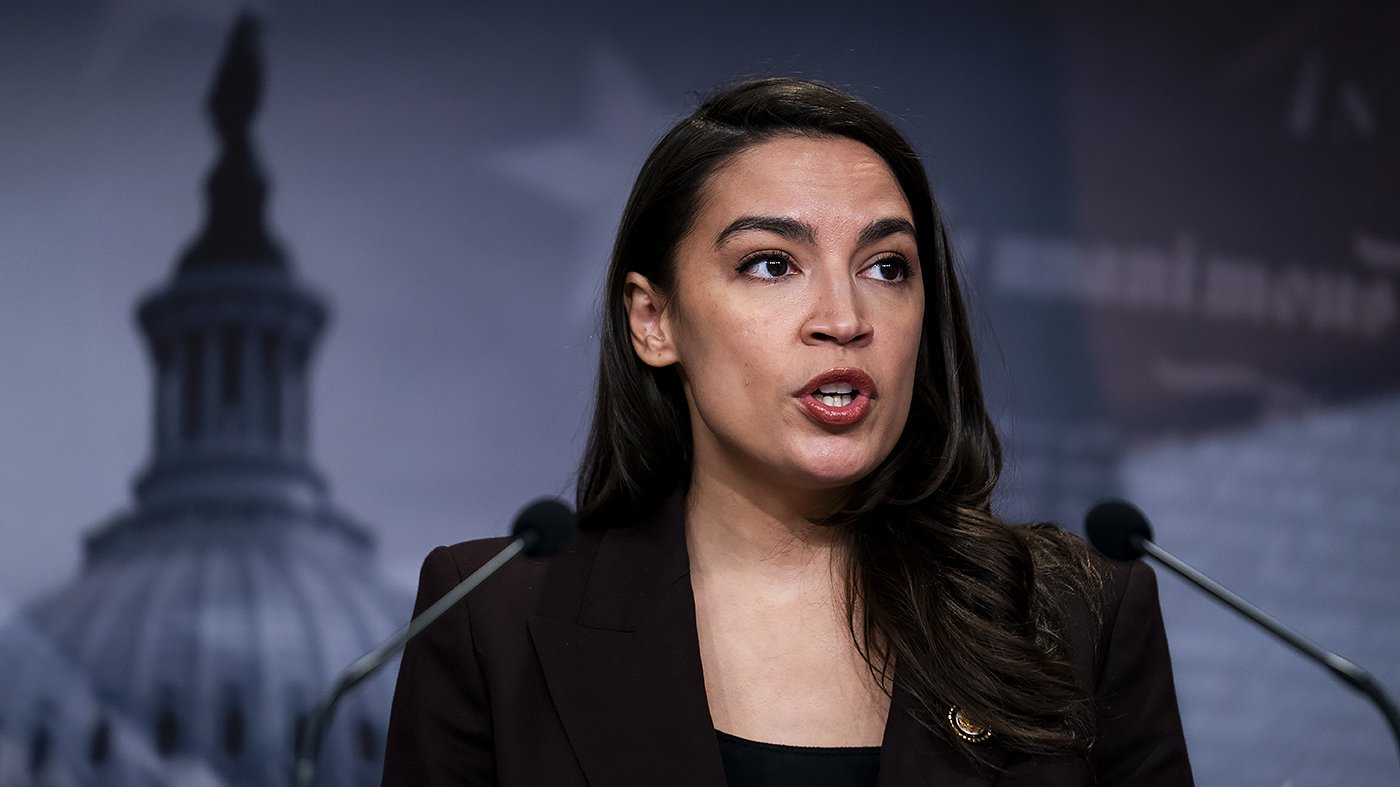
Representative Alexandria Ocasio-Cortez (D-N.Y.) issued a stark warning Monday, asserting that FBI Director Kash Patel's alleged personal conduct represents a clear national security vulnerability. Her comments followed a detailed report in The Atlantic describing episodes of excessive drinking and erratic behavior that have reportedly alarmed agency colleagues.
"This is not just embarrassing—it reveals a person who's easily manipulated," Ocasio-Cortez told MeidasTouch reporter Pablo Manríquez. She specifically referenced an alleged incident following a men's Olympic hockey championship where Patel was said to have been "hurling bottles up in the air."
The congresswoman elaborated on the security implications, arguing that compromised public behavior by someone in Patel's position creates openings for foreign adversaries. "When you are acting in this manner, especially from a role within the FBI, you are creating opportunities for blackmail and kompromat by any maligned actor," she stated. Ocasio-Cortez was unequivocal in her conclusion, stating the behavior is "absolutely" a threat to national security and that "he should be out of that seat."
Atlantic Report Sparks Legal and Political Firestorm
The allegations center on a recent article titled "The FBI Director is MIA," which reported that Patel has consumed alcohol "to the point of obvious intoxication" in front of White House officials and was often an "irregular presence" at FBI headquarters. The report, based on anonymous sources within Patel's security detail and among agency staff, also claimed personnel had "difficulty waking Patel because he was seemingly intoxicated" and that his "personal behavior is a national-security vulnerability."
In a dramatic escalation, Patel filed a $250 million defamation lawsuit against The Atlantic, calling the story a "deliberate and malicious smear" and asserting the magazine never gave him a meaningful opportunity to respond. On social media, he told the outlet he would see "you and your entire entourage of false reporting in court." The Atlantic has stood firmly by its reporting, labeling the lawsuit "meritless." The report is part of a growing narrative of internal concerns about the FBI director's management and conduct.
Republican Lawmaker Rushes to Director's Defense
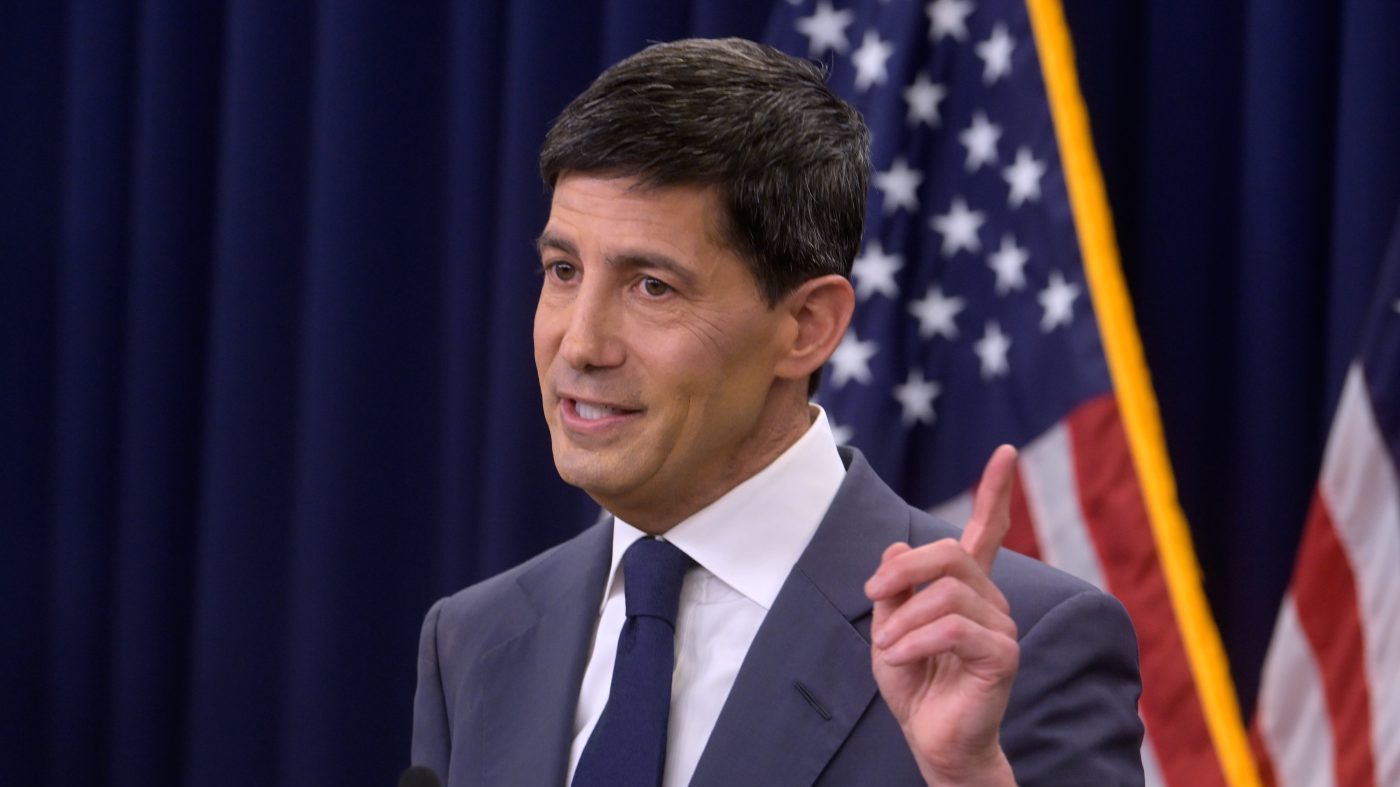
The criticism was met with immediate pushback from Patel's allies on Capitol Hill. Representative Rich McCormick (R-Ga.) defended the director, telling reporters he was unaware of any drinking issues. "I think he's executing his job brilliantly up to this point," McCormick said, dismissing the controversy. "As long as it doesn't affect his job in a negative way, I'm cool." This defense echoes other Republican efforts to downplay the security concerns raised by the allegations.
The Atlantic's report contained additional troubling details, including an account of Patel allegedly "panicking" earlier this month after a failed attempt to log into an internal computer system. According to nine sources, he became "convinced that he had been locked out" and was "frantically calling aides and allies to announce that he had been fired by the White House." Two individuals described the episode as a "freak-out."
Ocasio-Cortez's sharp critique places her among a group of Democrats expressing profound concern over leadership at the nation's top law enforcement and intelligence agencies. The situation underscores deeper tensions regarding accountability for officials in sensitive positions where personal conduct directly intersects with national security protocols. These concerns are not isolated, as seen when Senate Majority Leader Chuck Schumer previously labeled Patel a 'grave risk' following the initial reports.
The controversy emerges against a backdrop of heightened global tensions and sophisticated threats, where the integrity and judgment of security officials are under constant scrutiny. The episode raises questions about oversight mechanisms for high-ranking security officials and the point at which personal behavior triggers legitimate security reviews, separate from the ongoing broader cybersecurity directives issued across the national security apparatus.