The Progressive Influencer Dividing Democrats
Hasan Piker has emerged as an unlikely but powerful force within Democratic politics. The Twitch streamer commands millions of viewers, primarily young progressive men who feel disconnected from what they perceive as establishment liberalism. His platform gives voice to frustration with party leadership on issues ranging from economic inequality to foreign policy, particularly regarding Israel's actions in Gaza. This anti-establishment energy, while energizing a segment of the base, is sparking intense internal debate about whether his influence helps or harms the party's broader electoral ambitions.
A Litmus Test for 2028
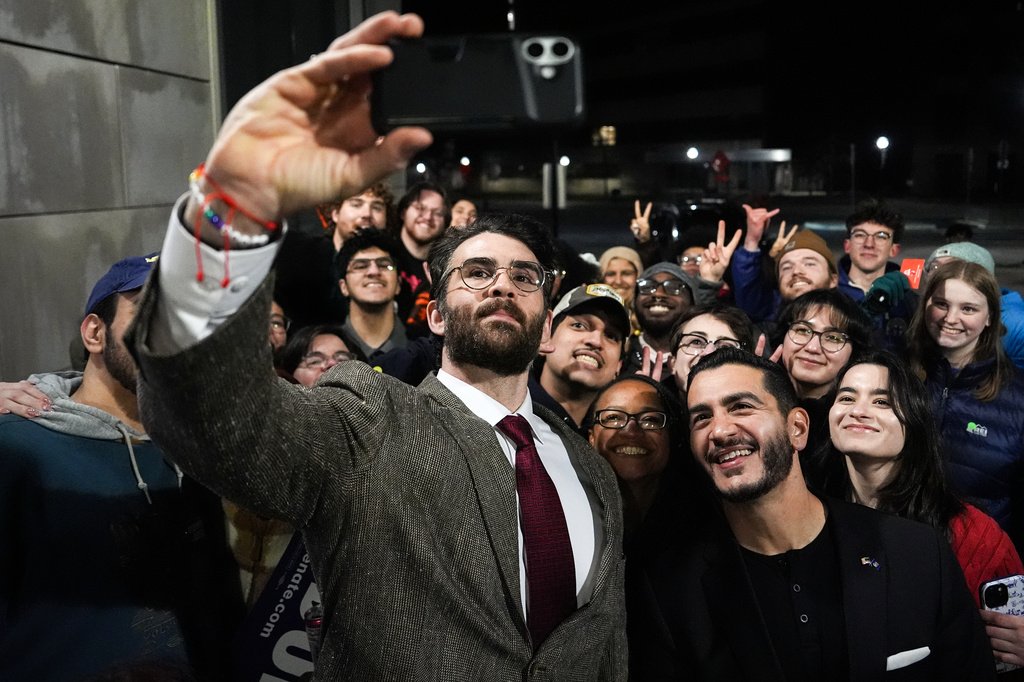
Piker's commentary has turned Israel policy into a defining fault line. He has described Hamas as "a thousand times better" than Israel and characterized the October 7 attacks as a "consequence" of Israeli policies—statements that moderate Democrats and Republican operatives are weaponizing. The controversy extends to candidates he supports, like Michigan Senate hopeful Abdul El-Sayed, whose opponent Mallory McMorrow has demanded he disavow Piker's endorsement. This internal conflict mirrors broader tensions within the party, reminiscent of debates over legal arguments against Israel's policies that have surfaced in other progressive circles.

The moderate Democratic think tank Third Way has issued stark warnings, with leaders calling Piker and his supporters "Jew-haters" who should be expelled from the party. They argue Republicans will use his statements to attack Democratic candidates nationwide. This concern is amplified by polling showing 45% of Americans identify as independents, with a plurality leaning Democratic—a coalition that could fracture over polarizing foreign policy positions. The situation reflects a recurring Democratic challenge: balancing base mobilization with broader electoral appeal, a dynamic also visible in recent Senate race analyses.
The Establishment's Uneasy Dance
Democratic officials are navigating Piker's influence with caution. When Politico surveyed potential 2028 presidential contenders about appearing on his show, only three of fourteen—Representative Ro Khanna, Governor Gavin Newsom, and former Mayor Rahm Emanuel—said they would participate. Senators Cory Booker, Ruben Gallego, and Elissa Slotkin were among those who declined. This hesitation underscores the party's dilemma: Piker reaches audiences traditional media cannot, but his rhetoric carries significant political risk.
Piker's rise is rooted in the progressive movement energized by Senator Bernie Sanders, whose "Fighting Oligarchy" tour revitalized the left after the 2024 election. Sanders-aligned candidates like Zohran Mamdani, who won New York's mayoral race, share Piker's willingness to confront "the billionaire class" and criticize Israel without apology. This faction believes traditional political caution has failed, pointing to record wealth concentration as evidence the system needs disruptive voices.
Yet the electoral math presents a sobering counterpoint. Democratic strategists fear that intra-party battles over Israel could depress turnout among moderates and independents, potentially costing the party control of Congress. They warn that while Piker's style generates attention, it may not generate votes. As one analyst noted, tearing the party apart over Middle East policy "will only dampen voter enthusiasm and allow Trump to retain a Republican majority." This concern about internal division distracting from core issues echoes recent Republican struggles to maintain focus on their economic agenda.
The Media Landscape Transformed
Piker represents a fundamental shift in political communication. He told The New York Times his critics "do not grasp the rules of the 'new media landscape,'" while El-Sayed argued Piker has "tapped a nerve for a lot of folks who do not trust traditional media." This distrust of mainstream institutions creates both opportunity and vulnerability for Democrats, who must decide whether to engage with influencers who operate outside traditional gatekeepers.
The ultimate question extends beyond one streamer: Will the Democratic Party's future platform include calls to cut funding to Israel while Benjamin Netanyahu remains in power? Will the 2028 convention avoid strong condemnations of Israeli actions in Gaza? These are not abstract debates—they are questions that will shape candidate recruitment, donor support, and coalition building. As the midterms approach, Democrats must reconcile the energy of their progressive wing with the practical realities of winning national elections, a challenge compounded by ongoing Republican investigations designed to exploit any Democratic weakness.
Piker's influence highlights a generational and ideological divide that could define the party for years. His supporters see him as giving voice to neglected perspectives; his detractors see him as gifting Republicans attack ads. Whether he represents the future of Democratic messaging or a liability that could cost the party crucial elections will be tested in voting booths across America this November.