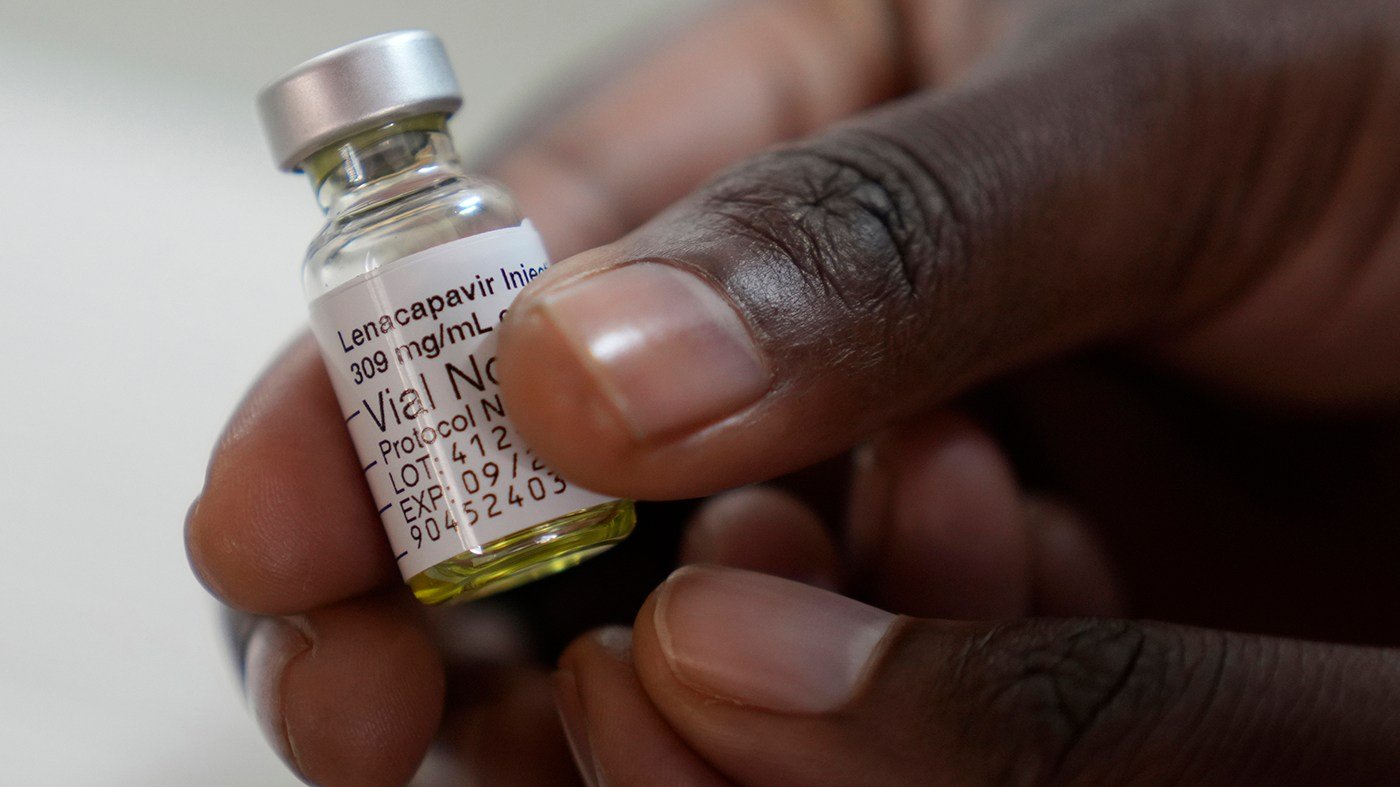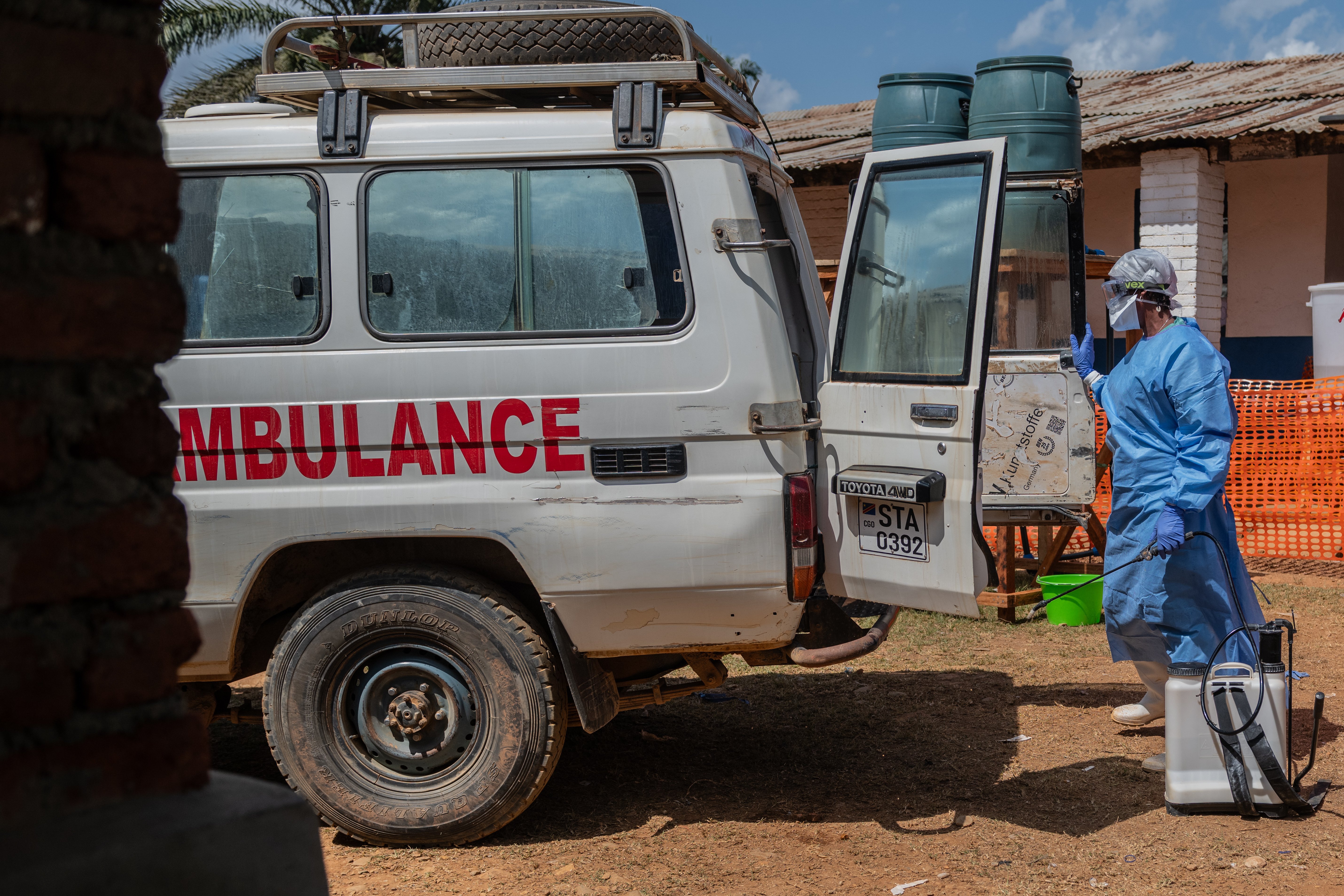
The Trump administration's proposal to establish a quarantine and treatment facility at a U.S. military base in Kenya for Americans potentially exposed to the Ebola virus is drawing sharp criticism from public health officials, who argue it is a misguided approach that undermines the core principle of outbreak response: containment at the source.
The current outbreak, caused by the Bundibugyo virus in the Democratic Republic of the Congo and Uganda, has already resulted in 617 confirmed cases and 117 deaths. The administration's plan, which would keep at-risk U.S. citizens out of the country, has been met with legal challenges and ethical objections from healthcare experts with direct experience in Ebola response. They warn the policy "raises profound clinical, ethical, operational, and legal concerns."
This is not the first time the U.S. has faced an Ebola crisis. The 2014-2016 West Africa outbreak, which infected more than 28,000 people and killed over 11,000, offers a stark lesson. At that time, the federal government implemented screening at international airports and established world-class treatment facilities domestically. Crucially, the U.S. led a global coalition that built a robust humanitarian aid infrastructure, which was instrumental in containing the virus. Those facilities remain available today, offering the capacity to treat infected individuals while preventing further spread.
However, the landscape has shifted dramatically. Over the past 17 months, the U.S. public health infrastructure has been systematically weakened. The U.S. Agency for International Development (USAID) has been dismantled, eliminating critical on-the-ground support in the Congo. The Centers for Disease Control and Prevention (CDC) has faced severe budget cuts and political oversight that have drained its expertise. As House Democrats recently highlighted, the USAID shutdown is linked to hundreds of thousands of preventable deaths and has fueled the Ebola surge. The U.S. withdrawal from the World Health Organization has further hampered international coordination.
Public health experts emphasize that an infectious disease outbreak anywhere is a threat everywhere. The most effective strategy is to extinguish the outbreak at its source—a principle that mirrors risk-based security in aviation. Just as TSA PreCheck and Known Crewmember programs focus resources on higher-risk passengers, containing Ebola at its epicenter is the most efficient way to protect Americans and the world. The longer the outbreak continues in central Africa, the greater the risk it will spread via air travel to Europe, Asia, the Middle East, and the Americas. The upcoming FIFA World Cup in North America only adds to the risk calculus.
Critics argue that the administration's quarantine plan is counterproductive. Anyone exposed to the virus, particularly U.S. residents, will naturally seek the best possible care, which is available in high-quality U.S. facilities. Given that symptoms can take up to 21 days to appear and that fever-suppressing medications like acetaminophen can temporarily mask them, attempts to keep at-risk citizens out of the country are ill-conceived and likely to fail. As a Kenyan court has already ruled, the plan also raises serious human rights concerns.
While the current risk of widespread transmission outside Africa remains low—the virus is not airborne and requires contact with bodily fluids—it is not zero. The State Department's stated goal of protecting Americans is best achieved by aggressive containment at the source, not by building barriers after the fact. As one expert put it, trying to stop the virus through airport screening alone is like trying to prevent a house fire by building a fence around it instead of extinguishing the flames.
The lessons from aviation security are clear: mitigating risks, whether man-made or natural, requires understanding the source and deploying resources to extinguish it. For the Ebola outbreak in Congo, that means making containment the top priority. Without a robust U.S. and international commitment to fighting the disease at its origin, the outbreak will continue to simmer, posing an ever-present threat to global health security.