Kenya's High Court dealt a significant blow to the U.S. government's Ebola response strategy on Tuesday, extending a suspension of plans to establish a quarantine facility on Kenyan soil for American citizens potentially exposed to the virus. The court ordered the Kenyan government to disclose all related agreements within seven days before ruling on whether the facility violates constitutional and human rights protections.
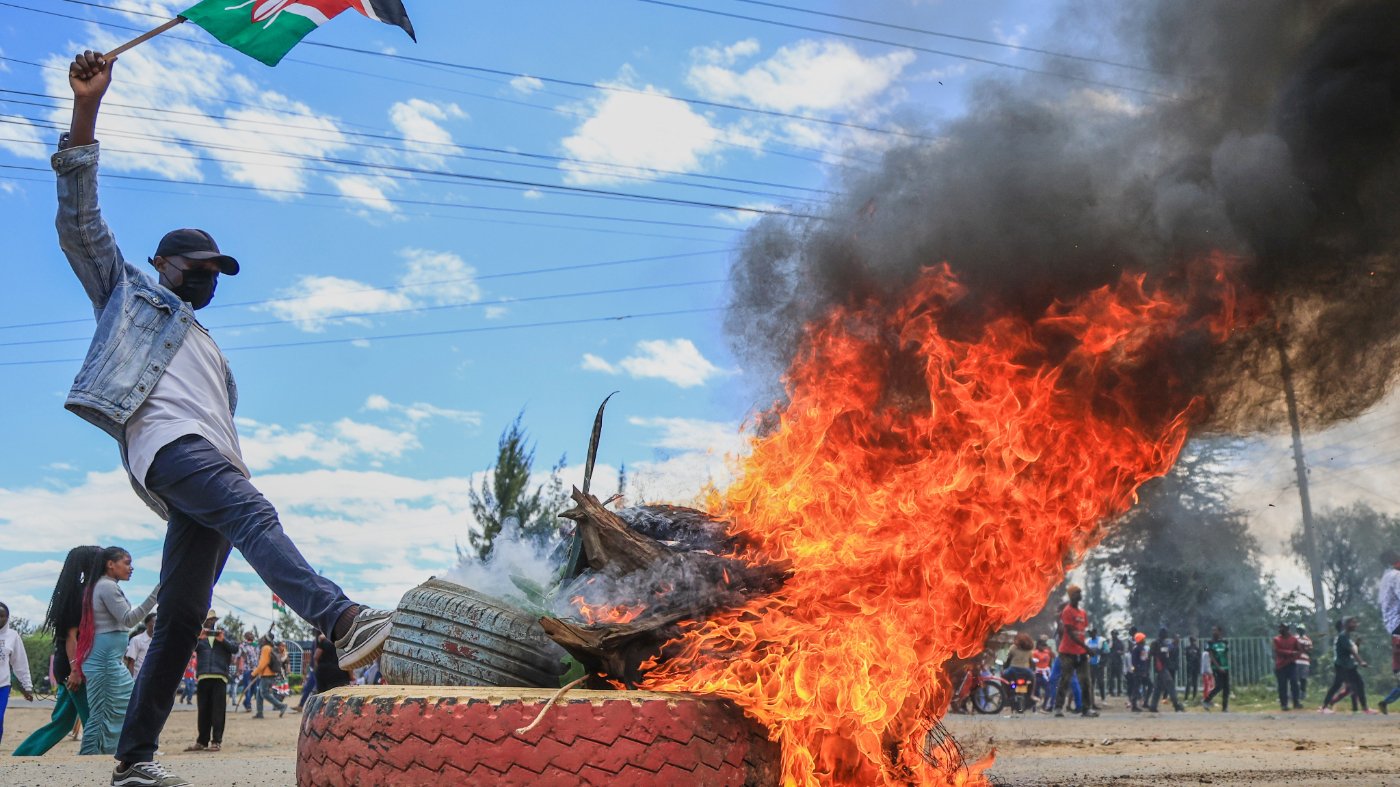
The proposed center, intended to house U.S. citizens and legal permanent residents who had contact with Ebola cases in the Democratic Republic of Congo and Uganda, has sparked fierce opposition. Kenyan medical professionals condemned it as "an apartheid healthcare model on Kenyan soil," and protests turned deadly when police shot two demonstrators. The court's intervention marks the latest setback in a U.S. response that critics argue relies on coercive and legally questionable measures.
The broader outbreak is spiraling. Confirmed and suspected cases have surpassed 1,000, with hundreds of new infections daily. The World Health Organization has warned the epidemic is "outpacing the response," as late detection leaves health authorities scrambling. The U.S. initially imposed a comprehensive travel ban on travelers from Congo, Uganda, and South Sudan, later extending it to legal permanent residents. Americans exposed to the virus were to be sent to Kenya, with officials stating they would not return to the U.S. for treatment.
These policies, while politically popular, are counterproductive, say public health experts. Arbitrary quarantines and travel bans risk driving transmission underground and discouraging humanitarian workers from joining the response. They also violate the International Health Regulations, a binding treaty the U.S. signed, which restricts scientifically unjustified travel restrictions. The CDC lacks legal authority to quarantine U.S. citizens on foreign soil, and preventing citizens from returning home undermines constitutional and international law.
The U.S. has a proven alternative. During the 2014 Ebola epidemic, Washington led a coordinated global effort, committing over $5 billion across multiple agencies. The Obama administration deployed field epidemiologists, laboratory networks, and specialized rapid-response teams, while screening and monitoring all returning travelers. Americans who contracted the virus were flown to specialized U.S. facilities, achieving a survival rate far exceeding the 60% mortality seen in West Africa.
Today, that infrastructure has eroded. The CDC's global capacity has been weakened by staffing vacancies, and the U.S. Agency for International Development has been shuttered. Further cuts to the President's Emergency Plan for AIDS Relief, if enacted by Congress, would deepen the damage. As Ebola surges, lawmakers are being urged to reverse these cuts and restore funding for global health programs.
The U.S. could still pivot. Instead of offshore quarantines and travel bans, it could implement public health screening for all travelers from the region, restore emergency funding to organizations on the ground, and pay its WHO arrears to fully fund the agency's Health Emergency Program. Epidemic containment is not charity—it is a matter of national self-interest.