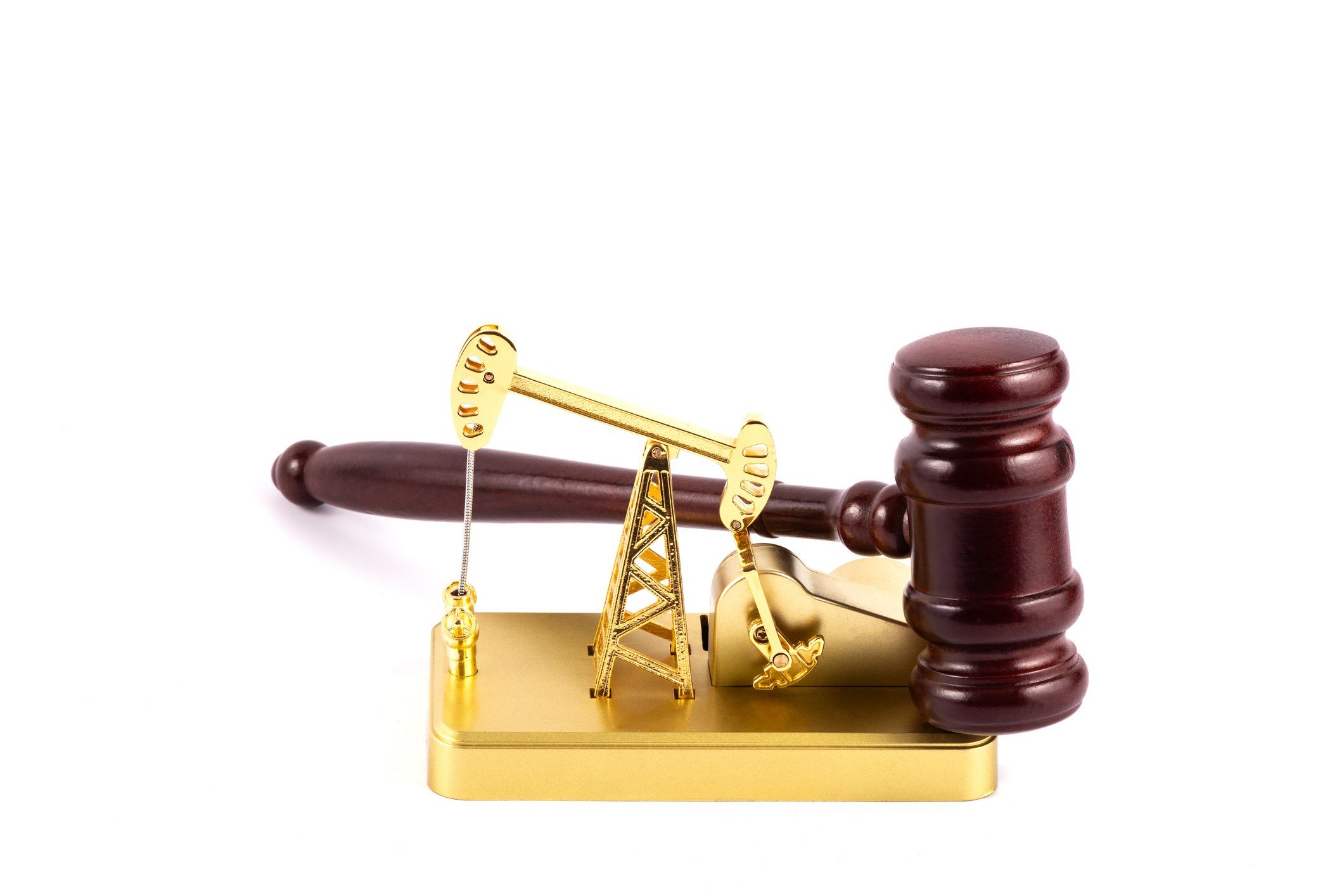
For over six decades, the federal response to climate change has been a political hot potato, tossed between the White House, Capitol Hill, and the courts. A former Energy Department official now argues that Congress must finally settle the matter with comprehensive legislation.
The pattern began in 1965, when President Lyndon Johnson's science advisers warned that fossil fuel pollution was triggering a "vast geophysical experiment" with harmful consequences for humanity. Johnson relayed the warning to Congress, but no action was taken. In 1988, a leading government climate scientist testified that human-caused warming was already underway and would intensify extreme weather. Congress responded with bipartisan bills and ratified the first international climate treaty in 1992.
But the fossil fuel industry and Republican lawmakers soon launched a campaign to discredit climate science, turning the issue deeply partisan. Democratic presidents Clinton, Obama, and Biden all tried to implement climate programs, only to see Congress or their Republican successors reverse them.
Since 2004, climate policy has increasingly played out in courtrooms. Eight states and New York City filed the first major suit seeking emissions cuts from power plants, but courts ruled that only the EPA could regulate greenhouse gases. State and local governments then shifted strategy, filing dozens of suits seeking damages for climate-related costs rather than emissions limits. These lawsuits allege that oil companies knew for decades their products would contribute to climate change but concealed the risks and promoted consumption. None have gone to trial.
Now the Supreme Court is hearing a landmark climate liability case, Boulder County v. Suncor Energy Inc. The court won't decide damages but will rule whether federal law preempts state climate claims. A decision is expected next spring.
Meanwhile, the costs are mounting. NOAA reports the U.S. has suffered more than 400 billion-dollar disasters since 1980, totaling nearly $3 trillion in damages. Taxpayers at every level bear these costs, plus legal fees from ongoing litigation. Fossil fuel companies, meanwhile, received $18.2 billion in implicit subsidies in 2024 and $1.1 trillion in explicit subsidies—unpriced environmental and social costs plus foregone revenues—while posting record profits.
William S. Becker, a former regional director at the U.S. Department of Energy, argues Congress must act. He proposes four pillars: explicitly authorizing EPA to regulate greenhouse gases and resolve the "major questions" doctrine; establishing liability rules for energy producers and apportioning responsibility between producers and consumers; creating a federal trust fund, modeled on the Superfund, Oil Spill Liability Fund, or Black Lung Disability Trust, paid into by fossil companies based on emissions; and defining government obligations to future generations in federal decisions.
Becker also suggests examining the 1998 tobacco settlement as a possible model for state-oil company agreements. "Litigation is revealing the problems in federal climate law," he wrote. "Now, Congress must fix them."
With the Supreme Court weighing whether oil giants must face climate deception suits, pressure mounts for legislative clarity. As lawmakers warn that global retreat undermines American prosperity, the climate liability debate has become a key test of federal policy.