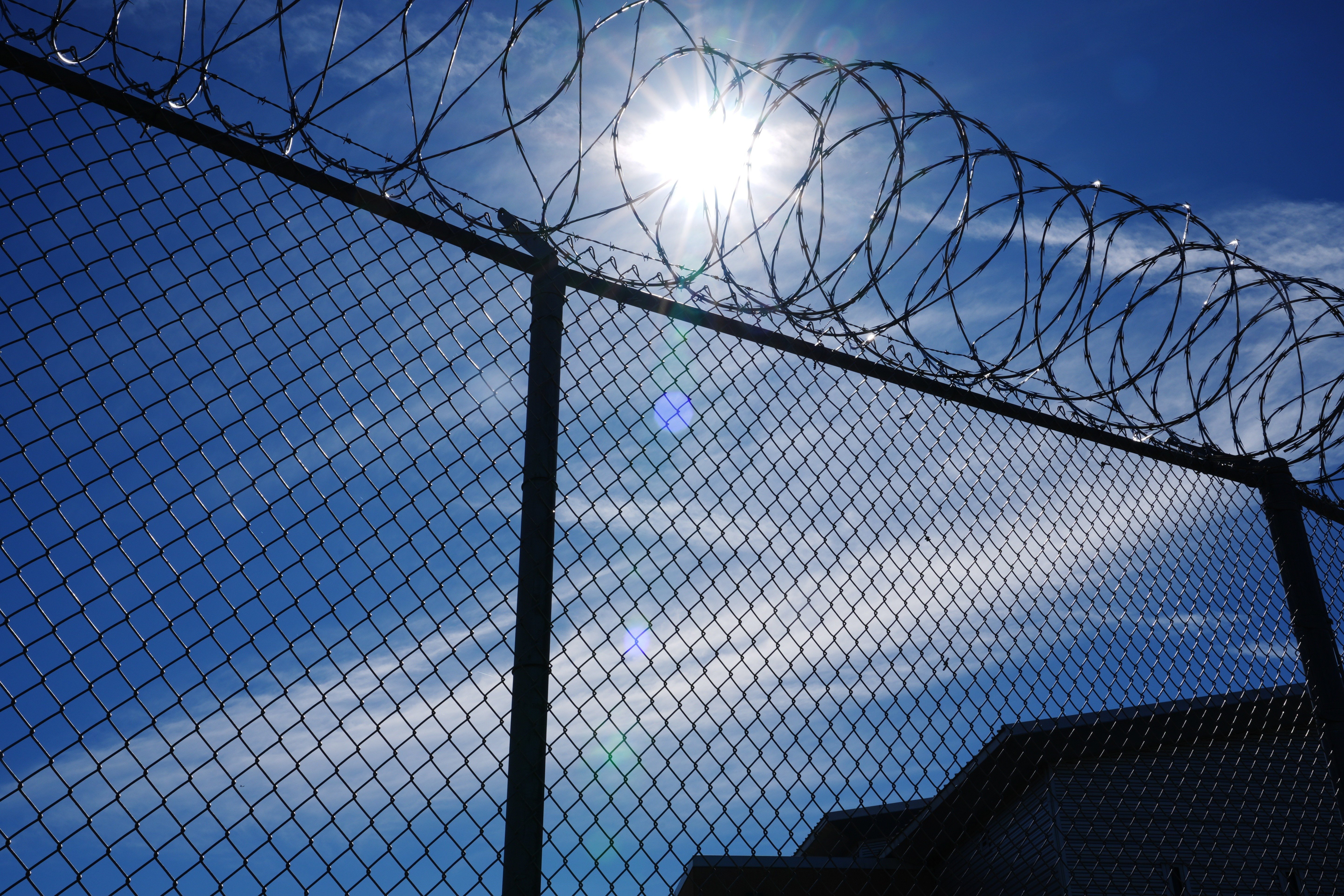
A federal judge in Texas has ruled that the state's failure to provide air conditioning in its prisons violates the Eighth Amendment's prohibition on cruel and unusual punishment. The decision, issued by U.S. District Judge Robert Pitman on September 22, marks a significant legal victory for inmates who have endured triple-digit temperatures in facilities across the Lone Star State.
Judge Pitman's ruling follows years of advocacy and litigation highlighting the dangerous conditions inside Southern prisons, where summer heat can become lethal. According to the Prison Policy Initiative, prisons are often constructed with heat-retaining materials, causing indoor temperatures to exceed outdoor readings. Inmates lack the basic options available to free citizens—such as taking a cool shower, drinking cold water, or seeking air-conditioned spaces—leaving them vulnerable to heat-related illnesses.

The judge's opinion drew on long-standing legal precedents, including remarks from the late Chief Justice William Rehnquist, who acknowledged that the government owes a duty of care to those it incarcerates. While prisons are not required to be comfortable, they must not be unhealthy. Pitman found that Texas prisons fail this standard, noting that inmates are "suffering—and in some cases dying" under extreme heat conditions.
Pitman criticized state officials for not responding "reasonably to address extreme heat" and for failing to "meaningfully investigate and document prison temperatures and their effects, underrepresenting the scope of the problem." He also highlighted a stark contrast: Texas spends millions to keep poultry in climate-controlled environments, yet provides no such protections for human prisoners.
The ruling could carry a hefty price tag. Estimates suggest that retrofitting Texas prisons with air conditioning could cost around $1.5 billion. Appeals are likely, but the decision sets a powerful precedent for other states grappling with similar issues.
This ruling comes amid broader debates about prison conditions and government obligations. As judges face scrutiny in other contexts, Pitman's decision underscores the judiciary's role in enforcing constitutional protections even for the incarcerated.
While some may view this as judicial overreach, legal experts note that it aligns with conservative and liberal interpretations alike. The Eighth Amendment's ban on cruel and unusual punishment has long been interpreted to require humane conditions for prisoners. As climate change intensifies extreme weather, the ruling may become even more relevant.
Judge Pitman's decision is a reminder that constitutional rights do not end at the prison gate. Ensuring basic human dignity for inmates is not a sign of leniency but a measure of society's commitment to justice. As the legal battle continues, other Southern states may face similar challenges, potentially reshaping how the justice system addresses heat hazards behind bars.