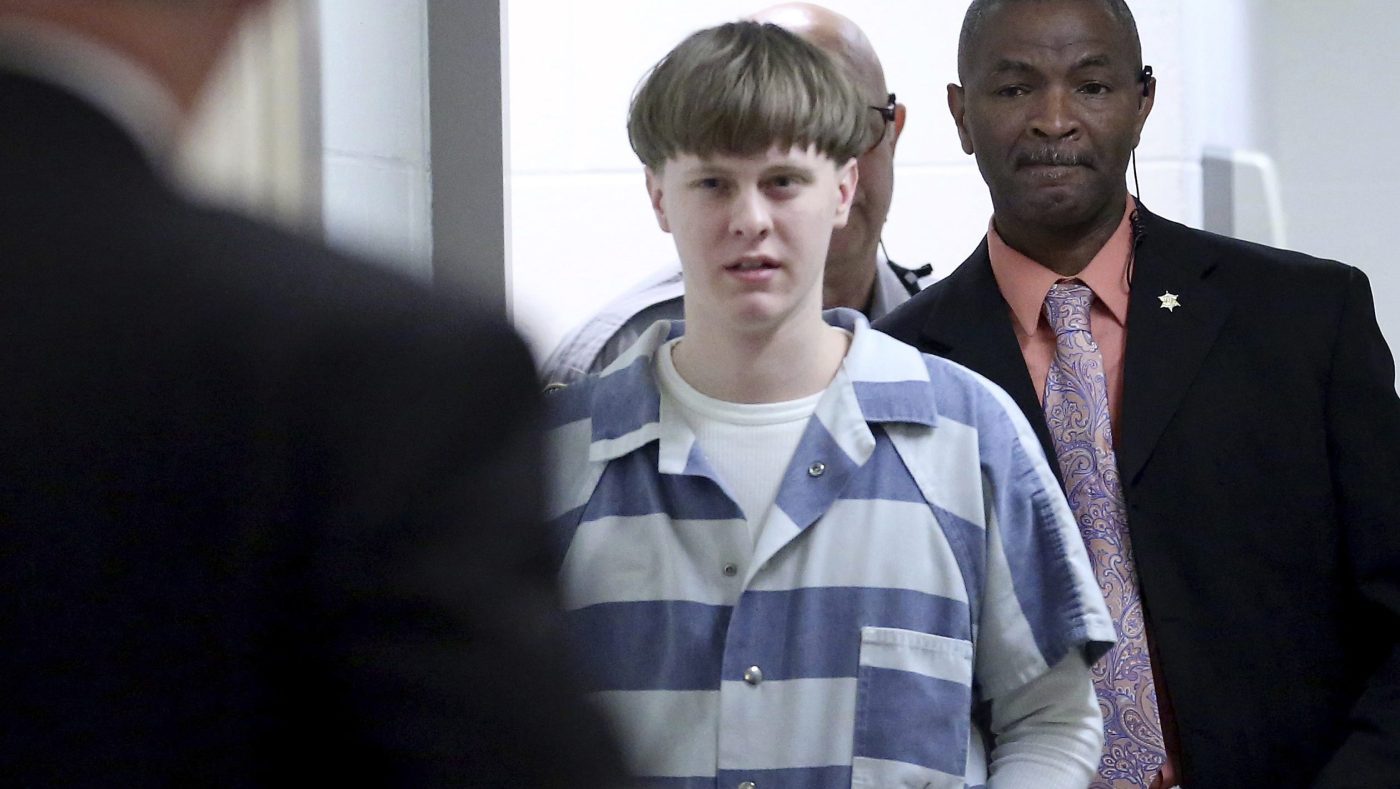
The Supreme Court on Monday declined to intervene in the ongoing legal saga of Dylann Roof, the man convicted of the 2015 Charleston church massacre, rejecting his latest attempt to have the trial judge removed from the case. The decision leaves in place a lower court's ruling that found no grounds to disqualify U.S. District Judge Richard Gergel.
Roof, now 32, was sentenced to death in 2017 for the shooting deaths of nine parishioners at the historic Mother Emanuel AME Church in Charleston, South Carolina. He admitted to the attack, which he said was intended to ignite a race war. Five people survived the shooting.

In his latest legal maneuver, Roof's attorneys argued that Gergel exhibited a “constitutionally unacceptable appearance of bias” because, they claimed, he had expressed a desire to preside over the trial. The argument was raised in the context of the ongoing post-conviction proceedings, where Roof is challenging his conviction and sentence.
The 4th U.S. Circuit Court of Appeals rejected that claim last year, stating that Roof had not demonstrated a “clear and indisputable right to recusal.” The appeals court noted that the allegations were based on hearsay and were insufficient to prove that Gergel had improperly sought the case.
In their petition to the Supreme Court, Roof's lawyers wrote: “In granting the petition, this Court will not disturb the underlying convictions or sentence, but rather ensure confidence in our judiciary and the resolution of the claims in this case with no appearance of partiality. A case like this one, which remains under scrutiny of the victims and the public, demands no less.”
The Trump administration had urged the justices to stay out of the matter, arguing that the appeals court's order did not warrant further review.
This is not the first time Roof has sought Supreme Court review. In 2022, the Court declined to hear his appeal of his conviction and death sentence. His latest challenge focused specifically on the recusal issue, which is a procedural matter rather than a direct attack on the verdict.
Roof is currently housed at a high-security federal prison in Terre Haute, Indiana. He was one of three federal death-row inmates whose sentences were not commuted by former President Joe Biden before he left office.
The Supreme Court's decision is a setback for Roof, but it does not end his legal efforts. He continues to pursue other avenues to overturn his conviction, though his chances appear slim. The case remains a stark reminder of the deep scars left by the racially motivated attack, which shocked the nation and reignited debates over Confederate symbols and gun control.