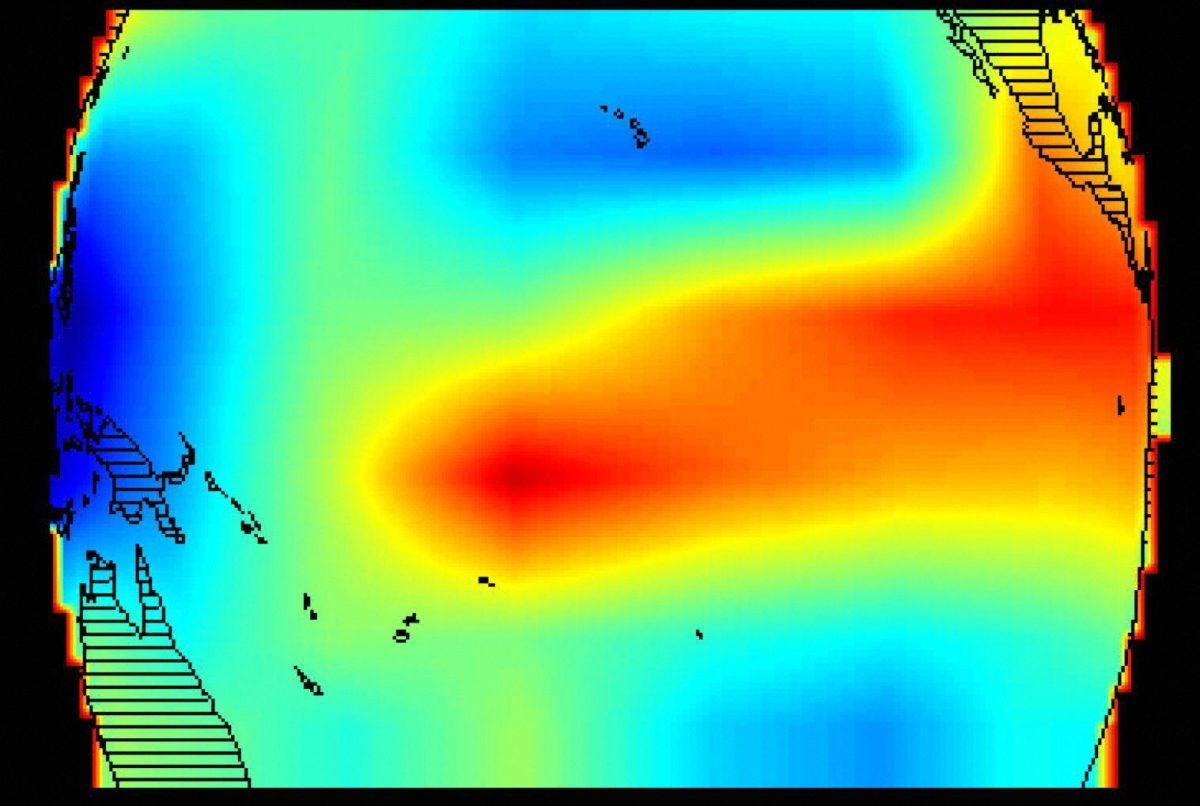
As the current El Niño strengthens, climate scientists are drawing parallels to the historic 1997 event, which brought a winter of broken records and unusual extremes across the United States. Columbia University climate scientist Azhar Ehsan said in a September media briefing that the atmospheric evolution this year closely resembles what was observed in 1997, when one of the most powerful El Niños on record developed.
The comparison is significant because the 1997-98 winter was marked by severe weather anomalies. According to a report from the National Climatic Data Center issued in April 1998, that winter ranked as the second-warmest and seventh-wettest since 1895. The combination of elevated temperatures and heavy precipitation led to widespread flooding, agricultural disruptions, and infrastructure challenges in many regions.
Ehsan's analysis focuses on trade wind patterns, which are a key driver of El Niño dynamics. The weakening of these winds in the tropical Pacific is a hallmark of the phenomenon, and the current trajectory appears to mirror the 1997 setup. This has prompted researchers to anticipate a similar intensity and impact.
While El Niño events vary in their regional effects, the 1997 case offers a cautionary tale. The winter outlooks for the coming season diverge, with some almanacs predicting a mild season and others forecasting heavy snow, but the historical precedent suggests that extreme weather could be more likely in certain areas.
The potential for a repeat of 1997's extremes has political and policy implications. Lawmakers and federal agencies may need to prepare for emergency responses, especially in states prone to flooding or drought. The Supreme Court's upcoming decision on whether cities can sue oil companies over climate misinformation could also shape how future climate-related disasters are litigated.
Scientists emphasize that while the comparison to 1997 is instructive, each El Niño is unique. Variations in ocean temperatures, atmospheric conditions, and other climate drivers can alter outcomes. Still, the likelihood of a strong event is high, and the persistence of El Niño conditions through spring remains a key concern for forecasters.
For the public, the message is to prepare for potential weather extremes, including heavy rainfall in the South and warmer-than-average temperatures in the North. The 1997 event also brought significant impacts to agriculture, with crop yields affected by flooding and unseasonable warmth.
As the climate continues to evolve, the lessons from 1997 serve as a reminder of the power of natural climate cycles. While human-caused climate change may amplify certain effects, the El Niño itself is a natural phenomenon that has occurred for centuries. The coming months will test how well communities and governments can adapt to the challenges it presents.