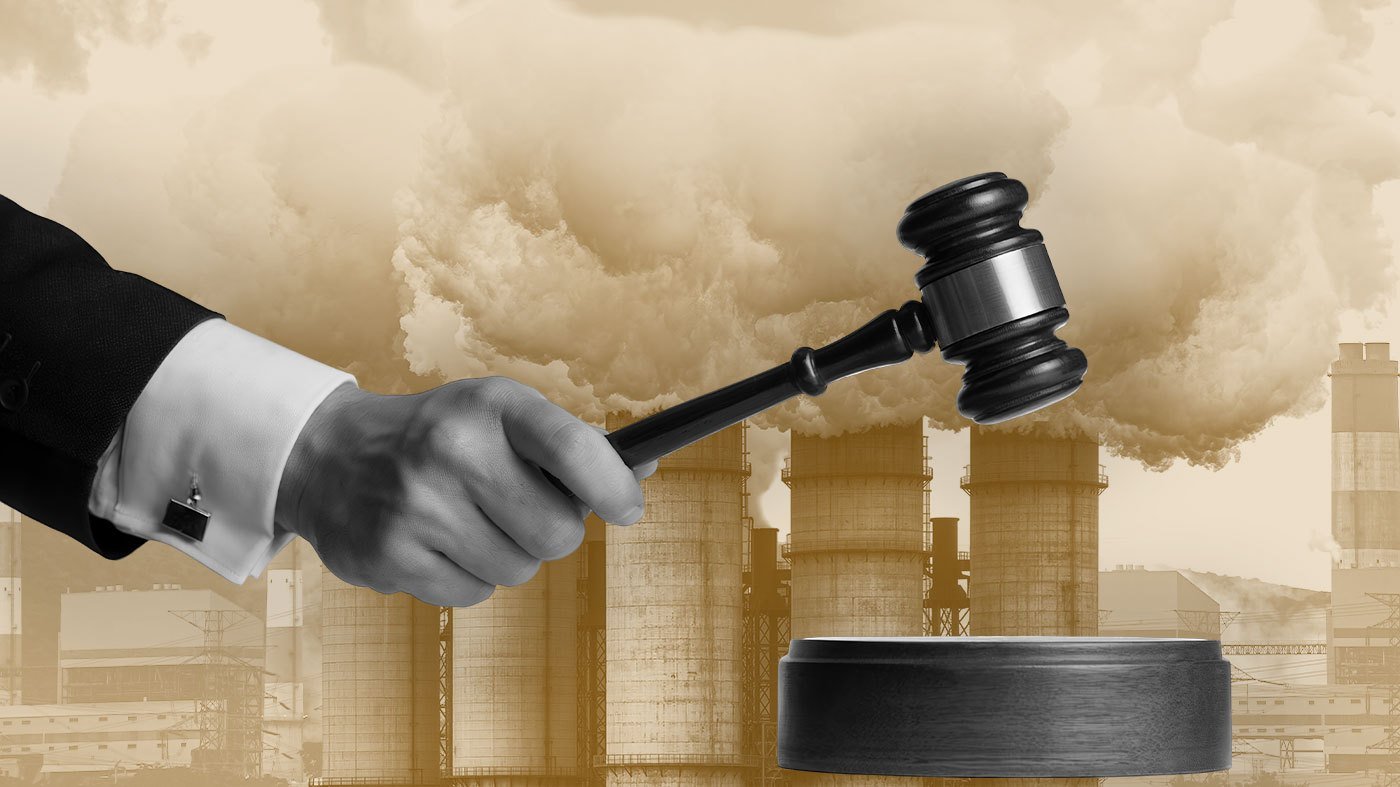
The Supreme Court's first case of the term, Suncor v. Boulder, carries high stakes for state and local governments seeking to hold fossil fuel companies accountable for climate-related damages. At issue is whether the Clean Air Act preempts lawsuits brought under state tort law, a question that could reshape the legal landscape for climate litigation across the country.
Boulder, Colorado, along with its county, filed suit against ExxonMobil and Suncor Energy, alleging that these companies knowingly concealed the risks of their products for decades, contributing to the severity of climate-related disasters like the 2021 Marshall Fire that destroyed over a thousand homes. The city seeks monetary compensation for local harms, not regulation of emissions or a halt to fossil fuel production. Yet the companies argue that their actions fall under the Clean Air Act's federal purview, a claim that former EPA officials from both parties dismiss as baseless.

In a brief filed with the Court, former EPA administrators and general counsels, including Gina McCarthy and Avi Garbow, assert that nothing in the Clean Air Act preempts Boulder's claims. They note that the Act is designed to limit pollution, not to shield corporations from liability for deceptive practices. The Colorado Supreme Court already rejected the companies' preemption argument, but the oil giants are pressing the U.S. Supreme Court to overturn that decision.
The implications extend beyond Boulder. Similar lawsuits from Maine to Hawaii could be affected, as local governments seek to recover costs from climate adaptation and disaster response. The oil and gas industry, enjoying record profits, has lobbied for federal legislation to provide a legal shield, which critics argue is an admission that current law does not protect them.
Notably, the current administration has taken contradictory positions, asserting that the Clean Air Act applies in this case while simultaneously rolling back EPA regulations on greenhouse gas emissions, such as the recent repeal of 2024 carbon pollution limits for power plants. This inconsistency underscores the political nature of the dispute.
The Supreme Court itself has questioned whether it even has jurisdiction before the Colorado courts issue a final judgment, adding procedural uncertainty to an already complex case.
For Boulder residents, the case is deeply personal. The Marshall Fire, fueled by drought and extreme conditions, devastated their community. They argue that the companies' deception worsened the climate crisis, and they deserve their day in court. The Clean Air Act was never intended to insulate polluters from accountability or to strip states of their authority to protect citizens from corporate misconduct.
A ruling against Boulder could set a dangerous precedent, effectively blocking communities from seeking justice for climate harms. It would also align with broader efforts, including by some members of Congress, to grant the fossil fuel industry unprecedented legal immunity. The Court's decision, expected later this term, will determine whether the Clean Air Act serves as a shield for pollution or a sword for accountability.
As the justices weigh the arguments, the outcome will reverberate far beyond Colorado, influencing how states and localities can combat the impacts of a changing climate and hold powerful industries responsible for their actions.