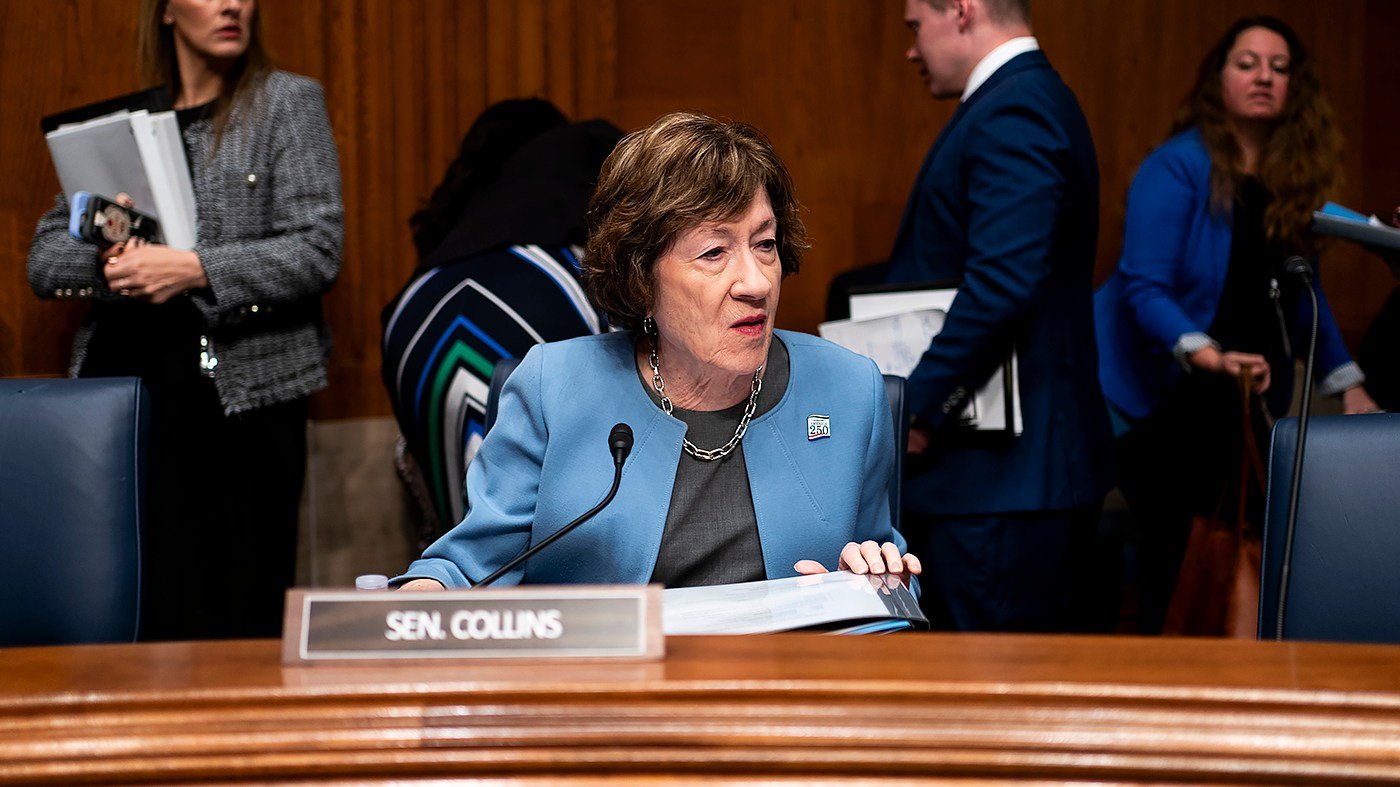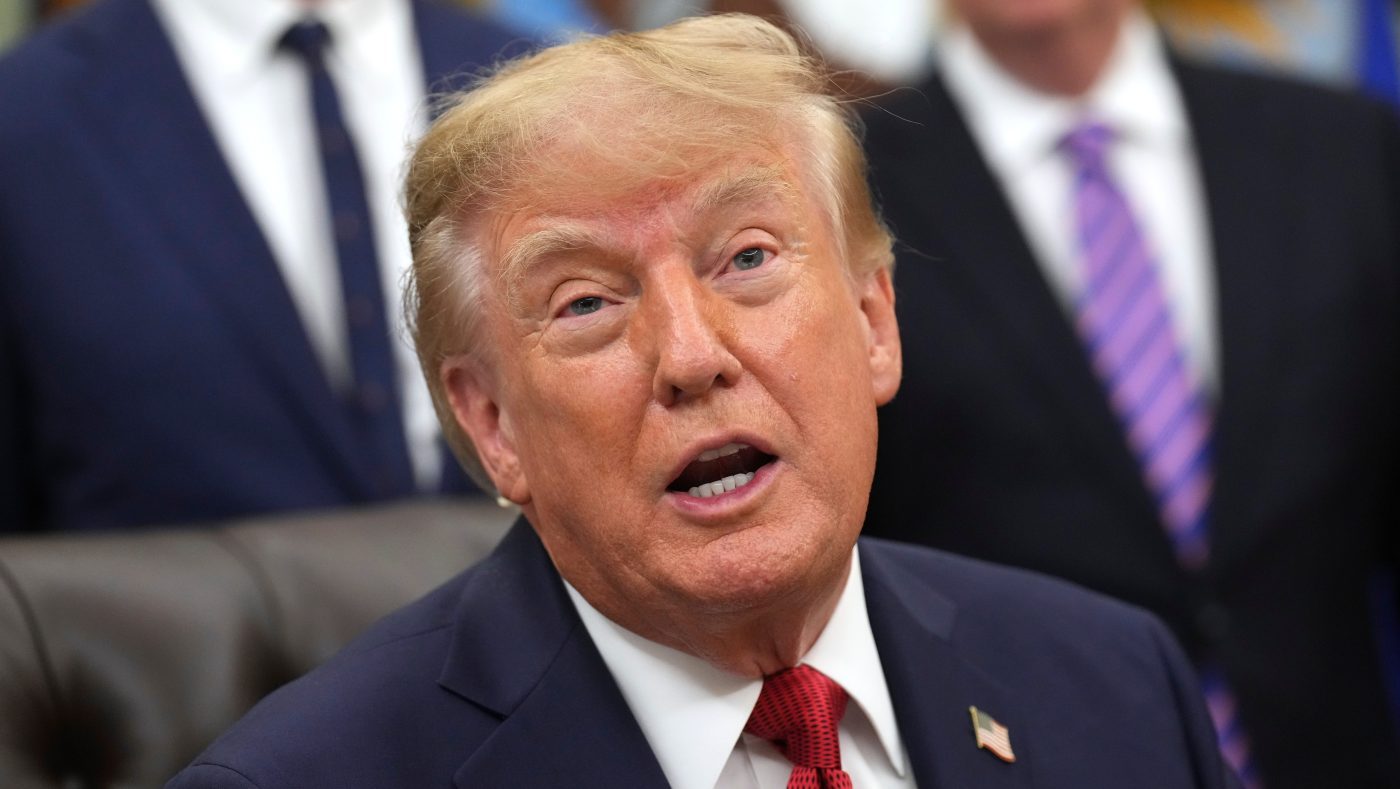
The Senate on Monday approved the Protect College Sports Act by a 77-22 vote, a rare bipartisan breakthrough that would grant the NCAA sweeping antitrust protections and impose a cap on payments to student athletes for their name, image, and likeness (NIL). President Trump quickly hailed the measure as a "really big deal" that would "save college sports" and the institutions themselves.
In a post on Truth Social, Trump credited Randy Levine, president of the New York Yankees, and his collaborators for the legislative push. "It will not only save college sports, it will save the colleges themselves," he wrote. "Congratulations to Randy Levine ... on a job well done!"
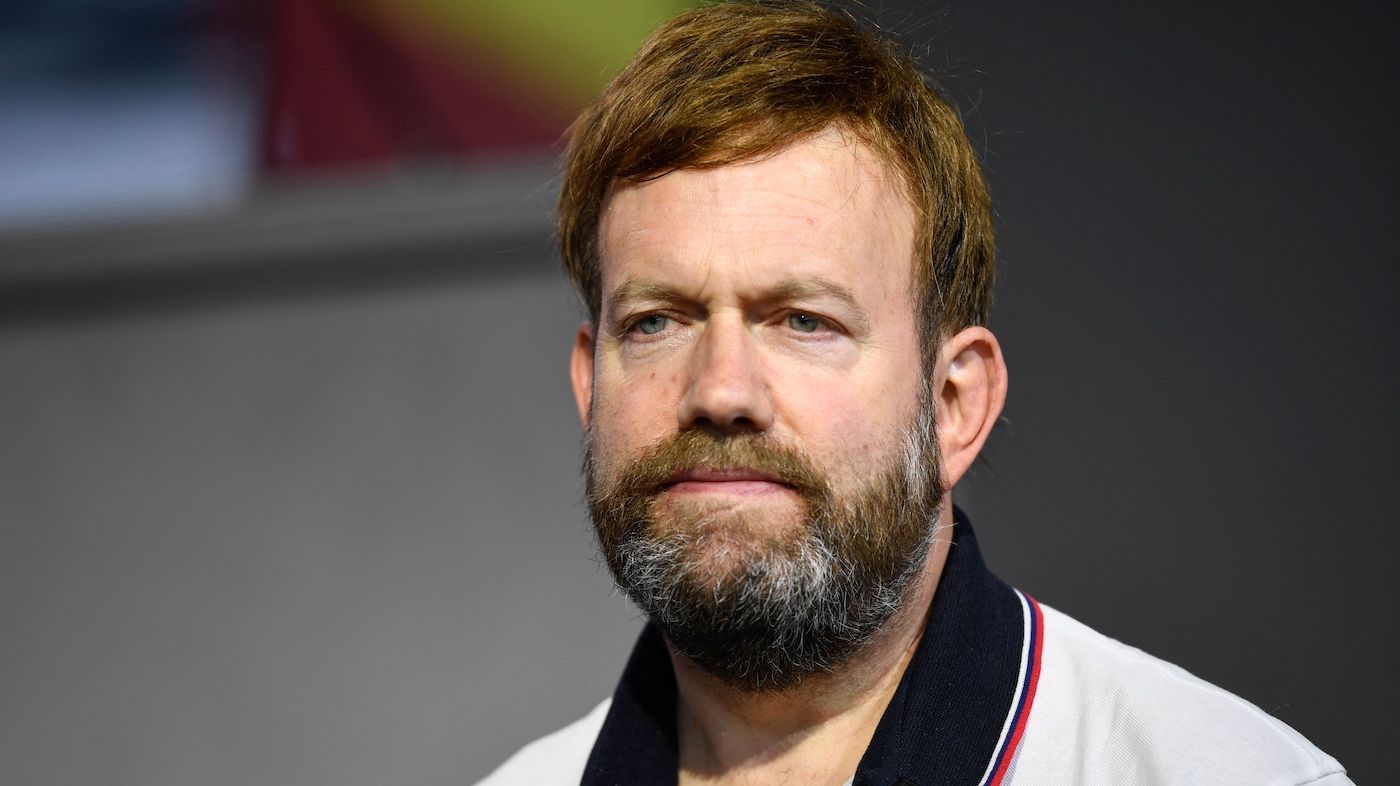
The bill, co-sponsored by Sens. Ted Cruz (R-Texas) and Maria Cantwell (D-Wash.), along with Sens. Chris Coons (D-Del.) and Eric Schmitt (R-Mo.), includes most of the provisions from the earlier Student Athlete Fairness and Enforcement Act. Key elements include a 10-year scholarship guarantee after eligibility, a one-time transfer without a year of ineligibility, and a cap on NIL compensation. The NCAA would also receive federal antitrust protection to shield it from lawsuits over rule enforcement.
Cruz framed the vote as a rescue mission. "College sports were headed off a cliff," he said on X. "Tonight, 77 Senators said enough. The Protect College Sports Act passed with a massive bipartisan vote. It protects the athletes, protects the programs, and protects a great American tradition for our kids and grandkids. Now, it goes to the House. Let's get this to President Trump's desk before Election Day, on the set of College Gameday."
Cantwell emphasized the bill's goal of reining in runaway spending. "It stops stealing money out of college [and] university institutions for education, for tuition, for professors and putting it into an arms race on sports," she said in a press release. She also argued the measure would "stabilize the loss of women's and Olympic [sports]" and open the door for broader structural reforms.
The legislation has drawn support from major conferences. The Southeastern Conference (SEC) and Big Ten, which initially withheld backing, endorsed the bill in July. In a statement, the Big Ten said it was "pleased" by the Senate's action, while the SEC called it "an important step forward establishing a clear and durable national framework for college athletes."
Opposition came from civil rights and labor groups, including the NAACP, the AFL-CIO and its sports council, and the Congressional Black Caucus. They raised concerns about pay equity, worker protections, and the impact on Black athletes, coaches, agents, and Historically Black Colleges and Universities.
The bill now heads to the House, where its fate remains uncertain. With the midterms approaching, GOP leaders may push for a quick vote, but some lawmakers have already voiced reservations about the antitrust shield and NIL caps. The White House has signaled support, but no formal signing ceremony has been announced.
As the debate moves forward, the legislation could reshape college athletics for years to come. For more on the broader political landscape, see how recent controversies are testing GOP unity and Senate GOP warnings over political spending.