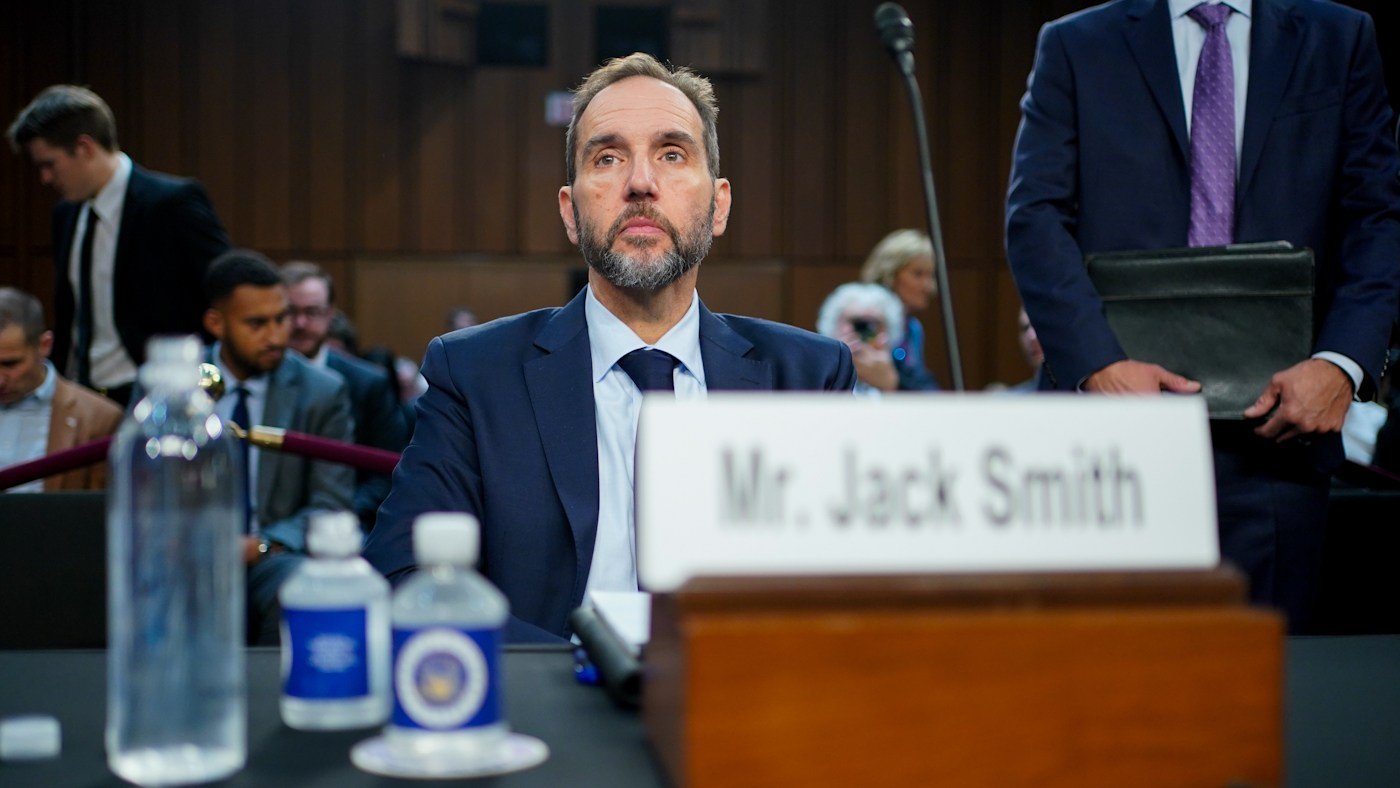
Former special counsel Jack Smith appeared before the Senate Judiciary Committee on Tuesday, facing pointed questions from Republican lawmakers about his decision to bring federal charges against President Trump. It marks his second congressional appearance as the panel examines the origins and conduct of the investigations that led to indictments in the Mar-a-Lago documents case and the January 6, 2021, Capitol attack probe.
In prepared remarks obtained by The Hill, Smith emphasized that his charging decisions were driven by evidence tied directly to the president’s own actions, not by political considerations. He argued that the rule of law demanded accountability, a stance that has made him a lightning rod for GOP criticism. The hearing comes amid a broader Republican effort to scrutinize the Justice Department’s handling of politically sensitive cases, with some senators questioning whether Smith overstepped his mandate.
MAHA Summit Draws Administration Heavyweights
While the Senate hearing unfolded, the Make America Healthy Again (MAHA) summit kicked off in Washington, D.C., featuring a roster of speakers including Health and Human Services Secretary Robert F. Kennedy Jr., Vice President Vance, and former heavyweight boxing champion Mike Tyson. The event highlights the administration’s push to overhaul public health priorities, a key pillar of Trump’s agenda.
Vance touted the summit on social media, writing, “Since January 2025, thanks to the work of @SecKennedy and the team over at @HHSGov, we have been fulfilling that promise to the American people, and the great MAHA movement.” He urged supporters to tune in for updates on future initiatives aimed at fostering a healthier nation.
Trump to Announce AI Portal
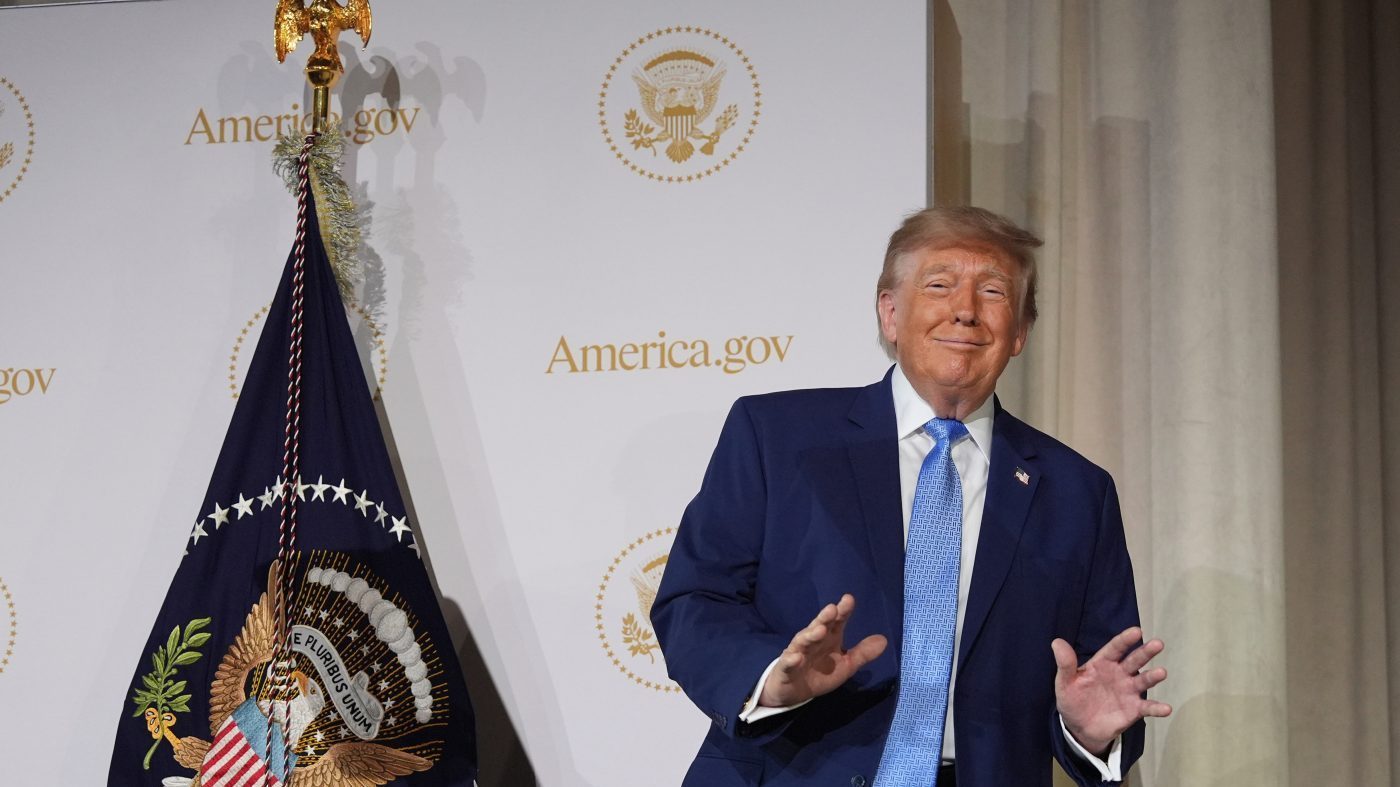
Later Tuesday morning, President Trump is scheduled to unveil America.gov, an artificial intelligence platform designed to streamline access to federal services. The announcement underscores Trump’s aggressive embrace of AI technology, a stance that has put him at odds with more cautious lawmakers. The president has championed the concept of “Super Intelligence” (SI), a rebranded vision for advanced AI systems, and has actively courted industry leaders.
Over the weekend, Trump hosted Anthropic CEO Dario Amodei at the White House, and he discussed SI with Chinese President Xi Jinping last week. These moves signal an administration intent on positioning the U.S. as a global leader in AI development, even as international calls for regulation grow louder. European officials have been pressing Washington to adopt AI treaty standards, but Trump has resisted binding commitments, favoring a deregulatory approach.
The America.gov launch is part of a broader push to modernize government services, though critics warn that rapid AI deployment without safeguards could raise privacy and accountability concerns. The portal’s unveiling comes amid a deregulation push that has drawn both praise from tech companies and alarm from consumer advocates.
As the day unfolds, the intersection of legal scrutiny, health policy, and technological innovation underscores the administration’s multifaceted agenda. The Senate hearing is expected to continue into the afternoon, with Smith likely to face tough questions from both parties. Meanwhile, the MAHA summit and the AI announcement will compete for headlines, reflecting the breadth of issues dominating Washington.
For political observers, the day’s events offer a snapshot of the Trump administration’s priorities: defending its legal battles, advancing public health reform, and championing technological supremacy. Whether these efforts will resonate with voters remains to be seen, but the administration is clearly betting that its aggressive stance on all three fronts will pay political dividends.