The recent summit between President Trump and Chinese President Xi Jinping produced few tangible results, with only modest agreements on economic talks and military crisis communication. The fundamental tensions between Washington and Beijing remain unresolved, and a prolonged strategic competition is now the baseline. As diplomatic channels stall, both sides are increasingly turning to courts as an arena for leverage.
International lawfare—using legal systems to achieve political or strategic goals—is a growing tactic, and China has become particularly adept at it. Chinese companies have already tested American courts. BYD sued the Alliance for American Manufacturing and VICE Media over defamation, while Yangtze Memory Technologies sued a Danish consultancy. All three cases were dismissed, but they signal a pattern.

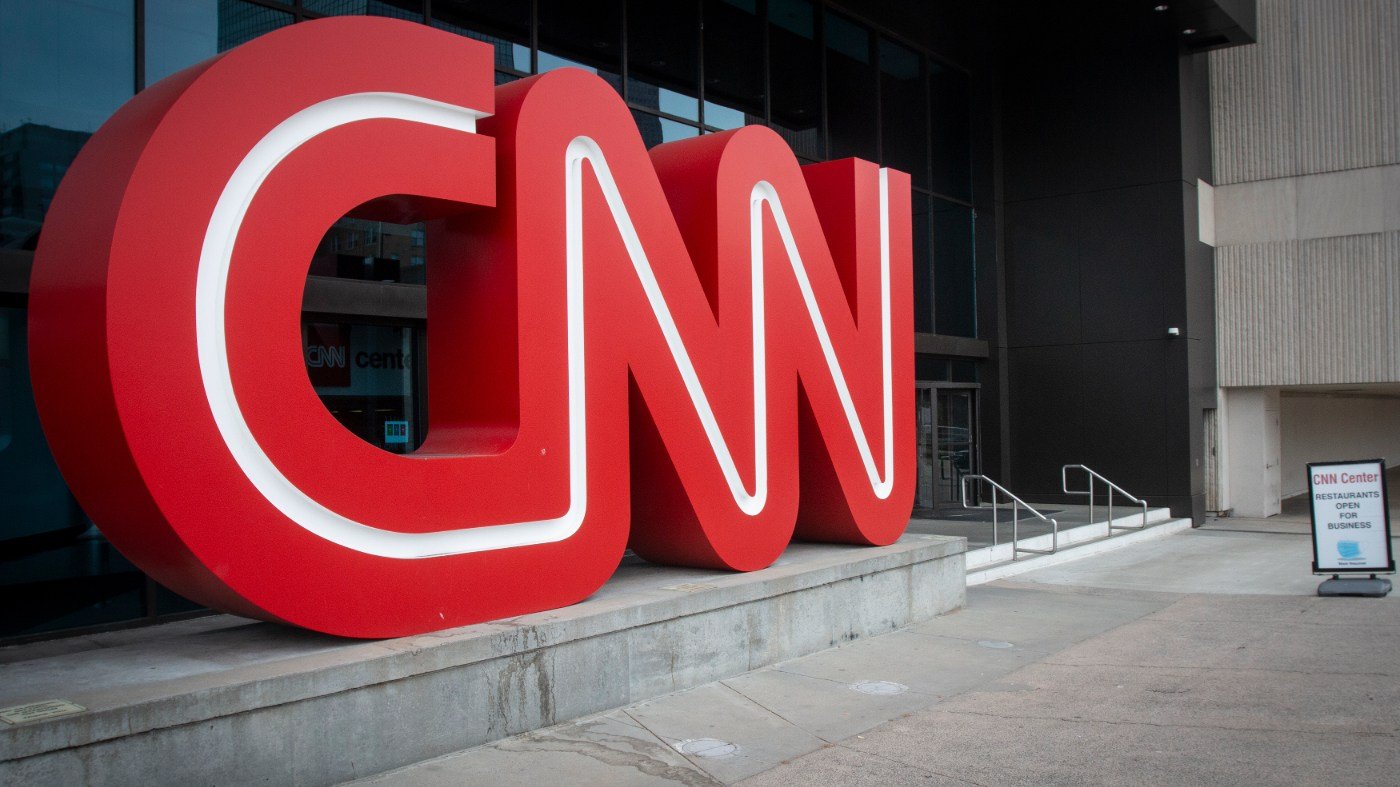
A new lawsuit by Azerbaijan against CNN offers a preview of what sovereign lawfare could look like. Azerbaijan is suing over a CNN report alleging Israel used its territory for operations against Iran. The country claims the report was false, ignored its denials, and created national security risks. CNN stands by its reporting. The case asks whether a foreign government can sue an American media outlet for defamation when national security is allegedly harmed.
If U.S. courts allow such claims, they would set a precedent that Beijing could exploit. China could argue that critical reporting on its activities caused economic or security damage, turning political disputes into legal battles. Even unsuccessful lawsuits could have a chilling effect on press freedom and burden media organizations with costly litigation.
The United States has built its China policy largely through executive orders, with Congress often reacting after the fact. This leaves the legal framework vulnerable to exploitation. Sustained competition with China requires clear statutory authority and predictable judicial standards. Otherwise, every restriction invites lawsuits, and every ambiguity becomes a potential avenue for Chinese leverage.
Congress has several bipartisan bills that could preempt this threat. The Granite Act would strengthen protections for journalists reporting on foreign activities. Amendments to the STOP TNR Act could define transnational repression, including lawfare. The SAMS Act of 2025 would codify critical minerals executive orders, and the Restoring American Mineral Security Act would empower trade representatives to counter Chinese initiatives. The COINS Act of 2025, passed through the defense authorization, would restrict U.S. investments in sensitive technologies in countries of concern.
These bills have stalled, but they are essential. Congress must act now to prevent a predictable wave of lawfare. As the article notes, if Washington fails to grasp the urgency, Beijing will not fail to seize the opportunity. The time for preventive action is now, not after the first successful foreign sovereign defamation suit against an American news outlet.
For more on how legal battles are shaping U.S. policy, see the case for a shadow court and recent signs of strategic retreat.