President Xi Jinping's late-September visit to Washington was less a diplomatic engagement than a carefully orchestrated piece of political theater, according to analysts and reports from the meetings. The three-day summit, which ran from September 23 to 25, featured less than two hours of substantive talks—and after translation, barely an hour of real conversation. Xi reportedly declined a working lunch with President Trump, leaving an unprecedented five-hour gap in the schedule on September 24.
The lack of meaningful dialogue was reflected in the absence of a joint statement and in sharply divergent readouts from the White House and Beijing. As one China watcher put it, the summit was not about engaging the United States but about beaming back to Chinese audiences images of Trump honoring Xi. The Chinese side, according to a report in the South China Morning Post, had even consulted other embassies in Washington to plan a 'grand visit,' seeking to 'take the best of all the different program options' for their leader.
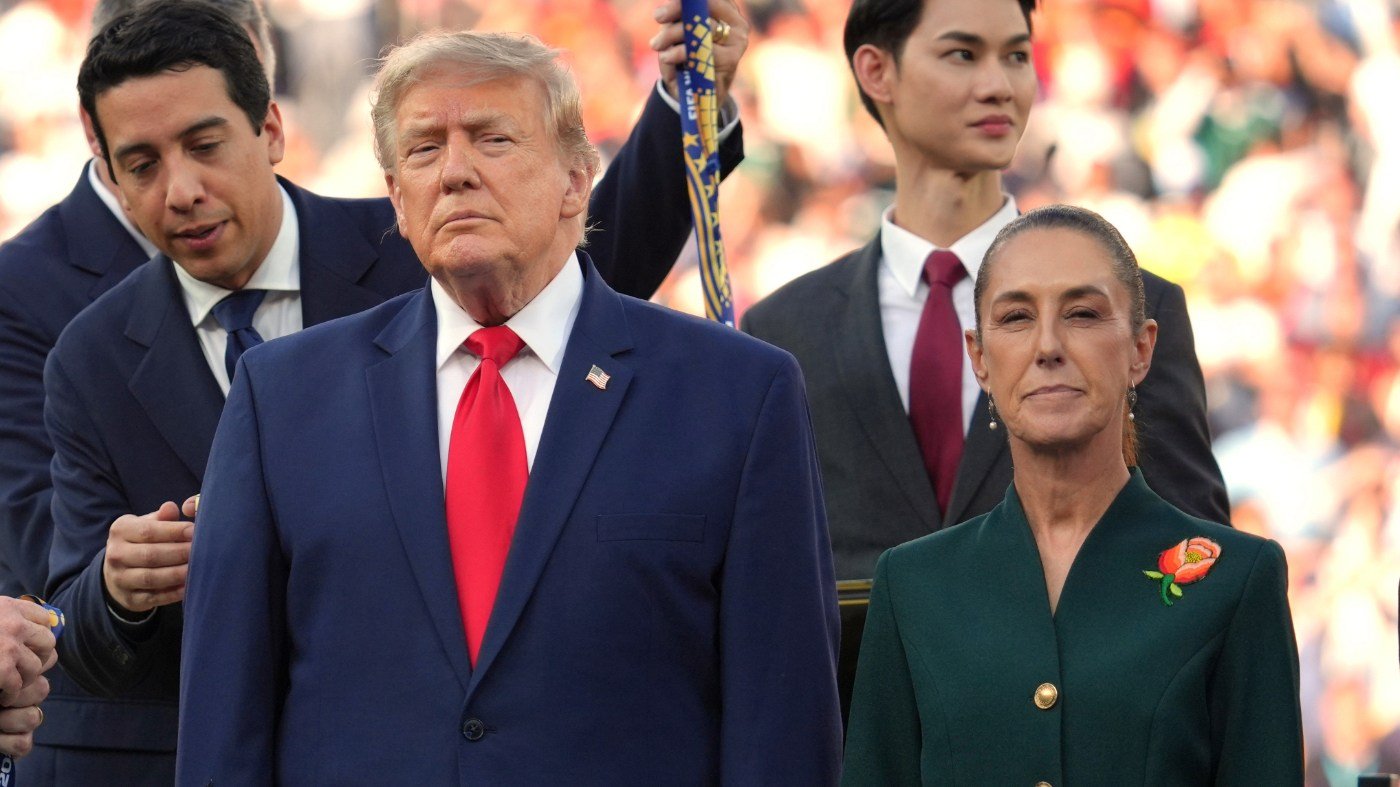
This focus on optics over substance is not new. Beijing has been largely inward-looking, preoccupied with the upcoming Fifth Plenum of the Communist Party's Central Committee, a meeting that traditionally sets the stage for leadership transitions. As Charles Burton, a former Canadian diplomat and now a fellow at the Prague-based think tank Sinopsis, explained, the politicking in the party is intense, especially given concerns about Xi's health. His shortened participation at the BRICS summit in New Delhi and his light schedule in Washington have fueled speculation about potential successors positioning themselves for the top job.
Despite his condition, Xi is reportedly seeking a fourth term as general secretary and chairman of the Central Military Commission. This internal focus, combined with his long-held belief that 'the East is rising and the West is declining,' makes compromise with the United States unlikely. Xi has repeatedly invoked the 'Thucydides Trap'—the idea that a rising power inevitably clashes with an established one—suggesting he views the relationship as inherently adversarial.
The upcoming meetings between Xi and Trump—at the APEC summit in Shenzhen next month and the G20 in Miami in December—are unlikely to yield progress. The Financial Times reports that Beijing is focused on 'burnishing image while limiting dialogue.' In fact, Chinese planners have proposed moving part of the Shenzhen summit online, a nod to the reduced importance of face-to-face talks.
Some critics argue that Washington's obsession with dialogue has only fed Xi's inflated sense of self-importance. Over decades, the US foreign policy establishment has treated talks as an end in themselves, tolerating Chinese behavior that would otherwise be unacceptable. A case in point: Beijing's provision of satellite targeting data to Iran, which likely contributed to the deaths of six American soldiers in Kuwait in March and three more in Jordan in July. These incidents underscore the limits of diplomacy when the other side is not genuinely interested in engagement.
The question now is whether the United States will continue to pursue summits with a leader who appears more interested in stagecraft than statecraft. As one veteran China observer noted, 'There is no longer a real need for summits anyway, now that we have Zoom.' The era of grand diplomatic gestures may be giving way to a more transactional, and perhaps more honest, approach to US-China relations.